
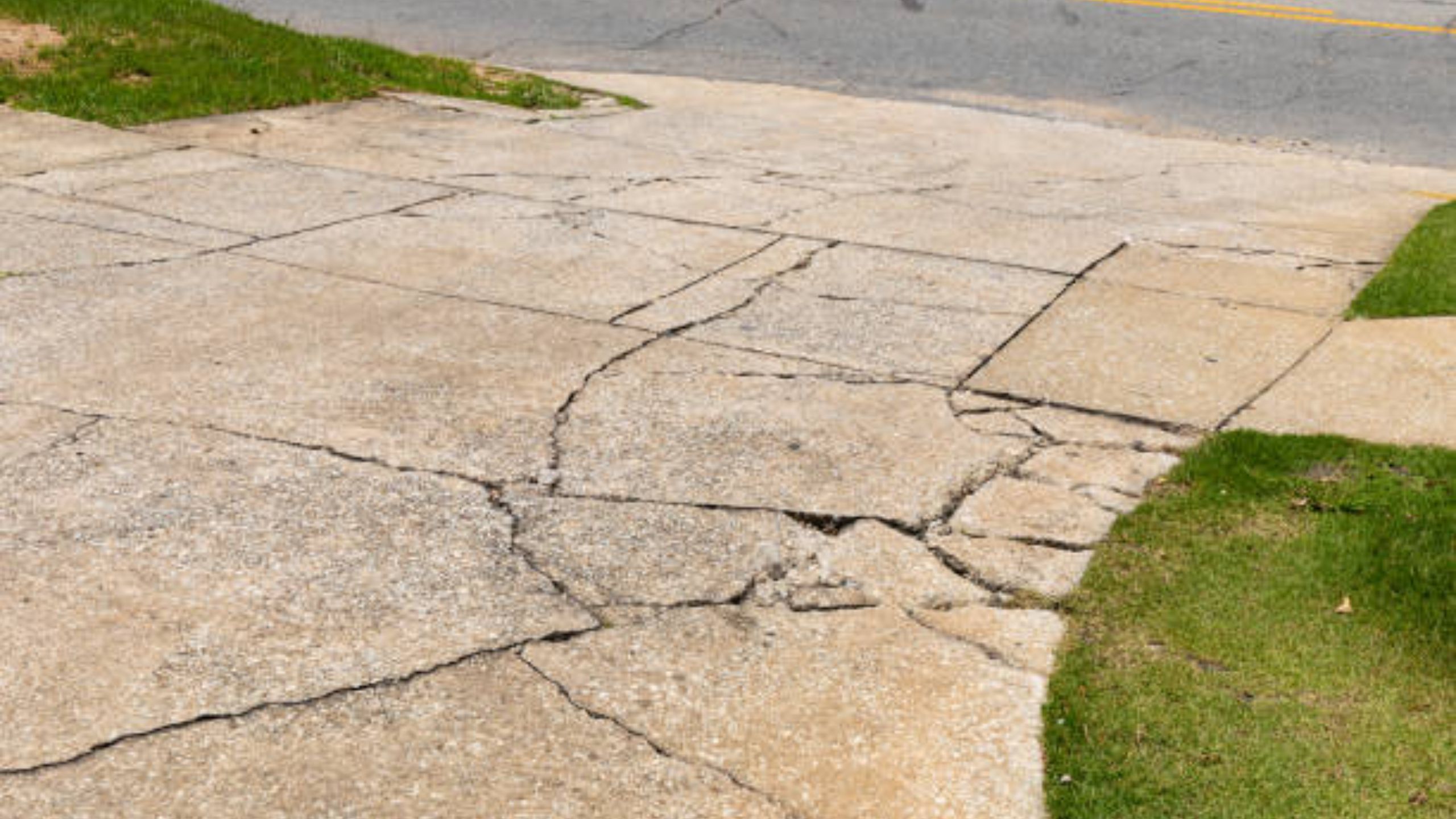
Concrete driveways and sidewalks are easy to overlook when homeowners focus on the roof, foundation, plumbing, or electrical systems. However, deteriorating exterior concrete can create safety concerns and contribute to drainage problems around the home. Cracks, settlement, surface deterioration, and poor drainage slopes may allow water to collect near the foundation or create trip hazards along frequently used walkways.
A driveway concrete inspection helps homeowners understand the visible condition of these exterior surfaces and identify problems that may require repair or further evaluation. Examining the driveway, sidewalks, walkways, and surrounding drainage conditions can provide a clearer picture of how exterior concrete affects both property safety and water management.
Why Driveway and Sidewalk Conditions Matter
Concrete surfaces perform more than a simple access function. Driveways provide stable vehicle access, while sidewalks and walkways create safe routes around the property. These surfaces also influence how rainwater moves away from the house.
When concrete settles or becomes damaged, the original slope can change. Water may begin flowing toward the home instead of away from it. Over time, repeated moisture exposure around the foundation can contribute to drainage concerns, soil movement, and other moisture-related conditions.
A driveway concrete inspection focuses on visible defects that may affect the performance and safety of these surfaces. The inspection can also help homeowners understand whether a problem appears isolated or may be related to broader drainage or soil conditions.
Common Signs of Driveway Settlement
Driveway settlement occurs when sections of concrete sink or shift from their original position. Settlement can result from soil movement, inadequate preparation beneath the slab, erosion, drainage problems, or changes in the supporting ground.
A settled driveway may have noticeable differences in elevation between concrete sections. Low areas can collect rainwater, while raised edges may become obstacles for people walking across the surface.
During a driveway concrete inspection, visible settlement should be evaluated along with nearby grading and drainage conditions. A sunken area may not simply be a concrete problem. It can sometimes indicate that water is affecting the soil beneath the slab.
Understanding Concrete Slab Cracking
Some cracking is common as concrete ages, but the location, size, pattern, and movement of cracks can provide useful information about the condition of the slab.
Concrete slab cracking may occur because of normal shrinkage, temperature changes, ground movement, settlement, or other factors. Small cracks may have limited significance, while wider, displaced, or actively changing cracks may require closer attention.
Cracks can also allow water to enter the concrete surface and reach the supporting material underneath. If the underlying soil becomes saturated or eroded, additional movement may occur.
A professional inspection does not necessarily determine the exact engineering cause of every crack. Instead, it documents visible conditions and identifies areas where repair, monitoring, or specialist evaluation may be appropriate.
Uneven Sidewalks Can Create Trip Hazards
Sidewalks and walkways experience regular foot traffic, making changes in elevation particularly important. Uneven sidewalks can create trip hazards, especially where one section of concrete has settled while another remains at its original height.
Walkway edges, joints, cracks, and raised sections should be examined for changes that could affect safe movement. These conditions can become more noticeable at night or during wet weather when surfaces may be harder to see.
Walkway movement can also indicate changes in the soil or supporting base beneath the concrete. When a sidewalk shifts, simply repairing the visible crack may not address the underlying reason for the movement.
How Exterior Drainage Slope Affects the Home
The slope of exterior concrete plays an important role in directing rainwater away from the structure. A properly positioned driveway, sidewalk, or walkway should not create unnecessary pathways for water toward the foundation.
An exterior drainage slope can change when concrete settles, heaves, or shifts. For example, a section that originally directed water away from the home may develop a low point that allows water to remain near the foundation.
During a driveway concrete inspection, the visible relationship between concrete surfaces, surrounding soil, downspouts, and other drainage features should be considered. Water management is not limited to the concrete itself. The entire exterior area should work together to move water away from vulnerable parts of the home.
Drainage Problems Can Contribute to Concrete Movement
Drainage and concrete conditions can influence one another. Poor drainage may contribute to soil erosion or saturation beneath concrete, while settled concrete can create new areas where water collects.
This relationship makes it important to look beyond an isolated crack or low spot. If a driveway has settlement near a downspout discharge area, for example, the drainage condition may deserve attention along with the concrete.
Homeowners should also pay attention to recurring puddles after rainfall. Standing water near a driveway, sidewalk, or foundation may indicate that the existing slope is not directing water effectively.
What a Driveway Concrete Inspection Can Identify
A driveway concrete inspection can help identify visible conditions such as cracking, settlement, displacement, surface deterioration, uneven transitions, and drainage-related concerns.
The inspection can also examine sidewalks and walkways for conditions that may affect safe access around the property. Where appropriate, visible relationships between concrete surfaces and exterior drainage components can be documented.
For homeowners, this information can help prioritize maintenance. A small surface crack may require different attention than a significantly displaced section of concrete that creates a trip hazard or directs water toward the foundation.
For a broader exterior concrete inspection, homeowners can also have exterior conditions considered as part of a residential home inspection.
When Should Homeowners Consider an Inspection?
Homeowners should pay attention to exterior concrete when they notice new cracks, changes in elevation, standing water, shifting sidewalks, or visible deterioration.
An inspection can also be useful before purchasing a property, particularly when the driveway or walkways show obvious movement or drainage concerns. Identifying these conditions early can help homeowners understand maintenance needs before minor defects become more significant.
After heavy rainfall, homeowners may also notice drainage patterns that are difficult to see during dry weather. Areas where water repeatedly collects deserve closer attention because continued moisture exposure can affect both concrete and surrounding soil.
What Homeowners Should Look For
Homeowners can visually monitor concrete surfaces for changes over time. Look for cracks that appear to be widening, sections that no longer meet evenly, raised or sunken edges, and areas where water repeatedly collects.
Pay particular attention to concrete located near the foundation, downspouts, exterior doors, and frequently used walking routes. These locations can combine drainage and safety concerns.
However, visual monitoring has limitations. A crack or settled section may be related to conditions beneath the surface that are not visible. Professional inspection can provide a more objective assessment of visible defects and their relationship to other exterior components.
Why Early Attention Matters
Ignoring deteriorating concrete can allow safety and drainage concerns to continue unnoticed. A small change in slope can become more significant as settlement progresses, while an uneven sidewalk can become a more serious trip hazard.
Early identification does not always mean immediate replacement. Depending on the condition, homeowners may be able to monitor the area, improve drainage, repair a damaged section, or seek evaluation from a qualified concrete or structural professional.
The important step is understanding the condition before deciding how to address it.
Conclusion
Driveways, sidewalks, and walkways are important parts of a home’s exterior, but their condition can be easy to overlook. Driveway settlement, concrete slab cracking, uneven sidewalks, trip hazards, and changes in exterior drainage slope can affect property safety and water management.
A driveway concrete inspection helps homeowners identify visible deterioration and understand how exterior concrete conditions may interact with surrounding drainage and foundation areas. Addressing these concerns early can help homeowners make informed maintenance decisions and reduce the risk of allowing minor exterior defects to develop into larger problems.
Get in touch with Select Inspection today to schedule a residential home inspection and better understand the condition of your property’s exterior concrete and drainage areas.