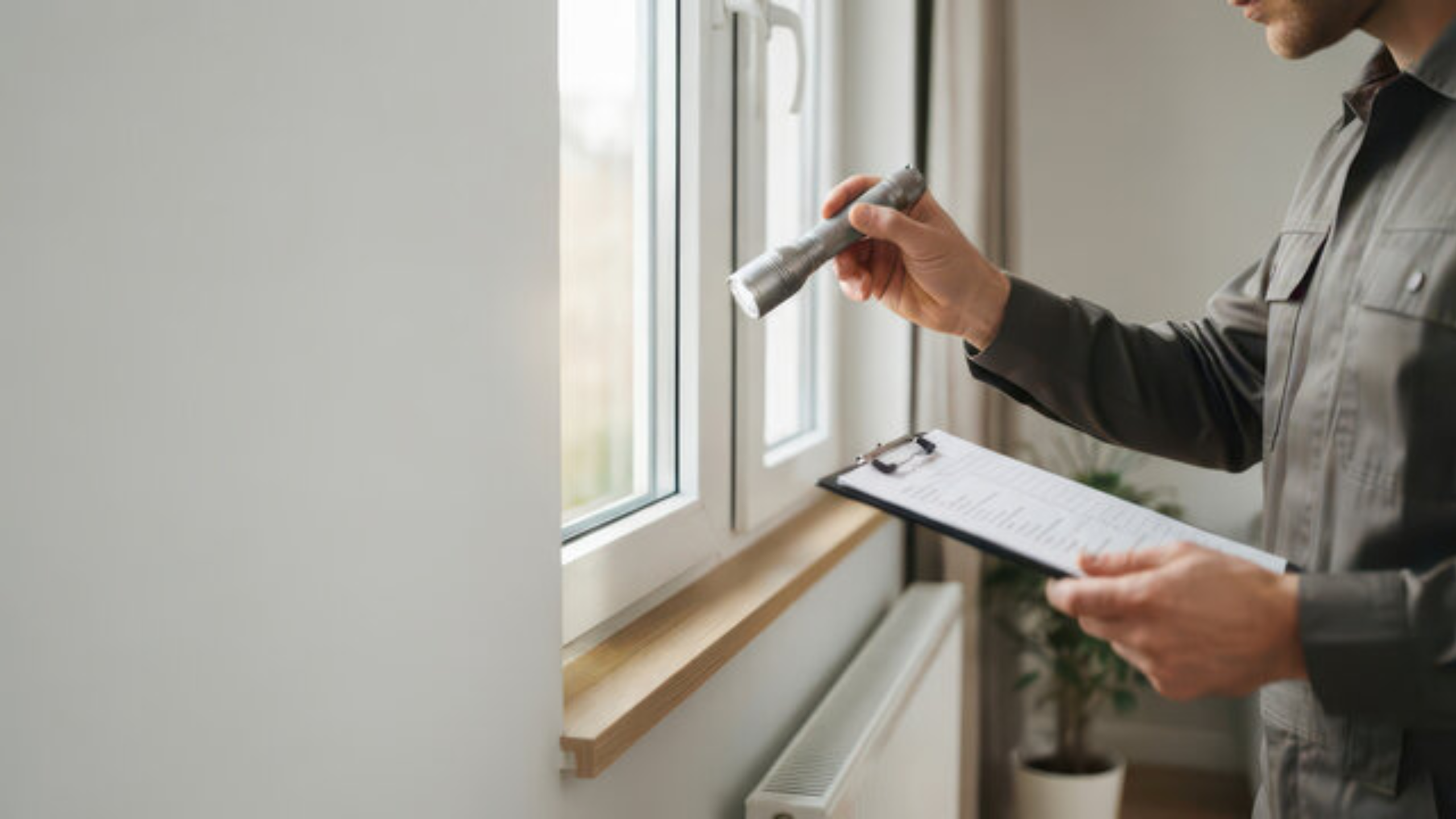
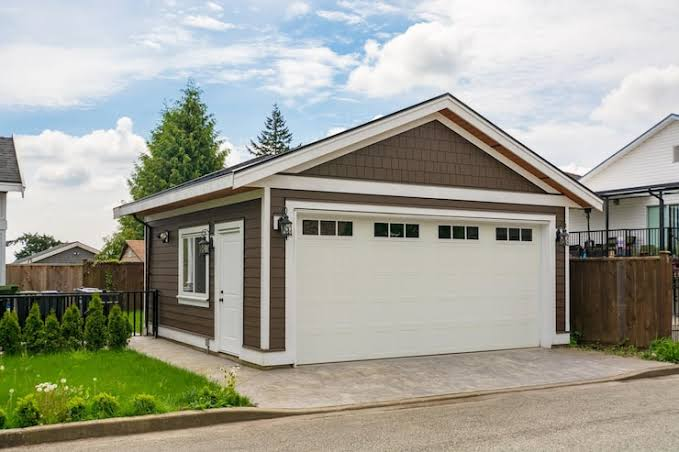
When buying a home, most buyers focus on the main house. They examine the roof, foundation, plumbing, electrical system, HVAC equipment, and visible interior spaces. However, properties with detached garages, workshops, sheds, or other outbuildings require additional attention.
These detached structures can provide valuable storage, workspace, parking, or hobby areas, but they can also contain defects that are easy to overlook during a standard walkthrough. A detached garage inspection can help buyers understand the visible condition of these structures before completing a purchase.
From roof damage and slab cracks to outdated wiring and moisture intrusion, problems in detached structures can lead to unexpected repair costs. Evaluating these areas as part of the overall property inspection gives buyers a more complete understanding of the property they are considering.
Why Detached Structures Deserve a Closer Inspection
Detached garages and workshops are often treated as secondary features because they are separate from the main residence. However, they are still part of the property and may represent a significant investment to repair or replace.
These structures are exposed to the same weather conditions as the home. Over time, moisture, wind, temperature changes, pests, and normal aging can affect the roof, walls, foundation, doors, windows, and electrical components.
Buyers may also assume that a detached garage is in good condition simply because it appears functional. A structure can look acceptable from a distance while having deterioration that is not obvious without closer evaluation.
A professional inspection can identify visible concerns and help buyers determine whether additional evaluation or repairs may be necessary.
Detached Structure Roof Damage Buyers May Miss
The roof is one of the most important components of a detached garage or workshop. Because these structures may receive less maintenance than the main home, roofing defects can remain unnoticed for long periods.
Detached structure roof damage can include missing or damaged shingles, deteriorated flashing, exposed roofing materials, damaged roof edges, sagging areas, and signs of water intrusion. Gutters and drainage components may also be missing, damaged, or improperly directing water around the structure.
Water entering through a damaged roof can affect sheathing, framing, ceilings, insulation, and stored belongings. In workshops, moisture can also create conditions that contribute to corrosion and deterioration of tools or equipment.
During a detached garage inspection, visible roof conditions should be considered along with drainage, roof penetrations, and signs of moisture damage.
Garage Slab Cracks and Floor Problems
The garage floor is another area buyers should not overlook. Concrete slabs naturally develop some cracking, but the location, size, pattern, and condition of cracks can provide important information about the structure.
Garage slab cracks may result from normal concrete shrinkage, settlement, movement, drainage issues, or other conditions. Not every crack indicates a serious structural problem, but significant or unusual cracking deserves attention.
Buyers should also look for uneven areas, damaged concrete, water staining, deterioration, and conditions that could affect the use of the garage or workshop.
A slab that appears heavily damaged may require further evaluation to determine the cause and appropriate repair. Understanding these conditions before purchasing can help prevent unexpected expenses after closing.
Workshop Electrical Hazards Can Create Safety Concerns
Workshops often have more electrical equipment than a typical detached garage. Power tools, compressors, lighting, heaters, and other equipment can place additional demands on the electrical system.
This makes workshop electrical hazards an important part of the inspection process.
Visible concerns may include damaged outlets, missing covers, exposed wiring, improperly installed electrical components, extension cords being used as permanent wiring, or inadequate protection around electrical equipment.
Older detached structures may also have electrical systems that were modified over time. DIY additions can create additional concerns if wiring, outlets, switches, or panels were installed without appropriate methods.
An inspection can identify visible electrical deficiencies, but buyers should understand that a home inspection is not the same as a specialized electrical inspection. Significant concerns may warrant evaluation by a qualified electrician.
Why Outbuilding Wiring Inspection Matters
The electrical connection between a detached structure and the main residence is another important consideration. A detached garage or workshop may receive electricity through underground wiring or another connection from the main electrical system.
An outbuilding wiring inspection can help identify visible concerns involving wiring, electrical panels, outlets, switches, grounding, and other accessible components.
Buyers should pay particular attention to older outbuildings that appear to have been renovated or expanded. Additional outlets, lighting, workshop equipment, or heating systems may have been added over time.
If electrical modifications appear incomplete or improperly installed, further evaluation may be appropriate before relying on the structure for regular workshop activities or storage.
Check Walls, Framing, and Structural Components
The condition of the walls and framing can provide important clues about the overall condition of a detached structure. Inspectors may look for visible damage, deterioration, moisture intrusion, wood decay, pest activity, and signs of movement.
Water damage around wall bases, doors, windows, and roof connections can lead to deterioration of structural materials. Inadequate drainage around the structure can make these problems worse by allowing water to collect near the foundation or slab.
Doors and openings should also be evaluated for proper operation and visible damage. A garage door that does not operate correctly or has damaged components can create both functional and safety concerns.
For buyers, these observations can help distinguish normal aging from conditions that may require repair or additional investigation.
Look for Moisture and Drainage Problems
Detached structures are particularly vulnerable to moisture when roof drainage and surrounding grading are inadequate.
Water should generally be directed away from the structure rather than allowed to collect around the foundation or slab. Poor drainage can contribute to staining, deterioration, settlement, erosion, and moisture intrusion.
Inside the garage or workshop, buyers should watch for water stains, musty conditions, damaged materials, peeling finishes, or other visible signs of past or ongoing moisture.
A detached garage inspection can help identify these visible conditions before they become more expensive problems.
Accessory Structures Should Be Included in the Buying Decision
Properties may include more than just a detached garage. Sheds, workshops, storage buildings, pool houses, and other accessory structures can also require maintenance and repairs.
Buyers should consider the condition and intended use of each structure. A small storage shed may have different concerns than a fully equipped workshop, but both can affect the overall property condition.
If an accessory structure has electrical service, plumbing, heating, or other building systems, those components should receive appropriate attention during the inspection.
The goal is not simply to determine whether the structure looks attractive. It is to understand its visible condition and identify concerns that could affect ownership, safety, maintenance, or future repair costs.
What Buyers Should Ask About Before Closing
When a property includes a detached garage or workshop, buyers should ask whether the structure has been renovated, expanded, rewired, reroofed, or otherwise modified.
Information about previous repairs can provide useful context for visible conditions found during an inspection. Buyers may also want to determine whether permits were required for significant improvements and whether documentation is available.
If the structure has unusual electrical equipment, extensive modifications, structural concerns, or signs of significant moisture damage, specialized evaluations may be appropriate.
A home inspection does not guarantee that every concealed defect will be discovered. Instead, it provides an assessment of accessible and visible conditions at the time of inspection.
Why a Detached Garage Inspection Matters for Home Buyers
A detached garage or workshop can add convenience and value to a property, but it can also introduce additional maintenance responsibilities. Roof deterioration, slab cracking, structural damage, moisture intrusion, and electrical deficiencies may not be obvious during a casual property walkthrough.
A detached garage inspection gives buyers an opportunity to evaluate these structures as part of the broader property condition. Identifying visible problems before closing can help buyers make more informed decisions and determine whether further evaluation is needed.
For buyers who want a complete understanding of the property’s condition, a professional structural property inspection can provide valuable information about visible structural and building concerns throughout the property.
Conclusion
Detached garages and workshops can be useful additions to a home, but they should not be overlooked during the buying process. Detached structure roof damage, garage slab cracks, moisture problems, structural deterioration, and workshop electrical hazards can create unexpected costs when they are missed.
A detached garage inspection helps home buyers identify visible concerns in these often-overlooked areas. Evaluating garages, workshops, sheds, and other accessory structures alongside the main residence gives buyers a clearer picture of the property’s condition before making a major investment.
When purchasing a home in the Lafayette area, including detached structures in the inspection process can help you make a more informed decision about the property and its future maintenance needs.
Contact Select Inspection today to schedule a professional home inspection and learn more about the condition of your property.
FAQs About Detached Garage Inspections
1. Is a Detached Garage Included in a Home Inspection?
A detached garage may be included when it is part of the property being inspected, depending on the inspection agreement and the structure’s accessibility. Buyers should confirm the inspection scope with their inspector before the inspection.
2. What Does a Detached Garage Inspection Look For?
A detached garage inspection can evaluate accessible and visible components such as the roof, exterior, walls, doors, foundation or slab, electrical components, drainage, and signs of moisture or structural deterioration.
3. Are Cracks in a Garage Slab Serious?
Not all garage slab cracks indicate a serious structural problem. Their size, location, pattern, and associated conditions matter. Significant or unusual cracks may require further evaluation to determine their cause.
4. What Are Common Workshop Electrical Hazards?
Common concerns can include damaged outlets, exposed wiring, missing electrical covers, improper modifications, inadequate protection, and electrical components that appear unsuitable for the intended use of the workshop.
5. Should Buyers Inspect Sheds and Other Accessory Structures?
Yes. Accessory structures can contain roof, structural, moisture, electrical, and drainage problems. Their condition should be considered when evaluating the overall property.