
Quick answer: A home inspector in Scott, LA visually evaluates a home’s major systems—foundation, roof, attic, exterior, drainage, plumbing, electrical, HVAC, interior, windows, and doors—along with safety concerns and visible moisture issues. In Acadiana’s humid climate, inspectors pay close attention to moisture, drainage, and ventilation.
When you hire a home inspector, you’re paying for a trained set of eyes to look at parts of a house most buyers never think about. But what exactly gets checked?
A standard home inspection in the Scott area covers hundreds of components across every major system. The inspector documents what they see, flags concerns, and explains what matters. Below, we break down each area a home inspector examines so you know what to expect—and why it counts in a climate like ours.
What does an inspector look for in the foundation and structure?
The foundation carries the entire weight of your home, so it gets careful attention. In the Scott area, expansive clay soil expands when wet and shrinks when dry, which can stress a slab or pier-and-beam foundation over time.
An inspector checks for:
- Cracks in the slab or visible foundation
- Stair-step cracks in brick or masonry
- Uneven or sloping floors
- Doors and windows that stick or won’t align
- Signs of movement in floor, wall, and roof structure
Not every crack means trouble. A good inspector distinguishes normal settling from structural movement that needs an engineer’s review.
What does a home inspector check on the roof?
Your roof is your first line of defense against Acadiana’s heavy rain. When it’s safe to do so, the inspector walks the roof and examines:
- Shingle condition and granule loss from heat and sun
- Flashing around chimneys, vents, and skylights
- Vents and their condition
- Signs of past or active leaks
What gets inspected in the attic, exterior, and drainage?
Attic: Insulation depth, ventilation balance, and the underside of the roof deck for moisture stains.
Exterior: Siding, trim, grading, and how water moves around the home.
Drainage: Whether the grade directs water away from—or toward—the foundation. Poor drainage is a common local issue that leads to bigger problems.
What about plumbing, electrical, and HVAC?
|
System |
What the inspector checks |
|---|---|
|
Plumbing |
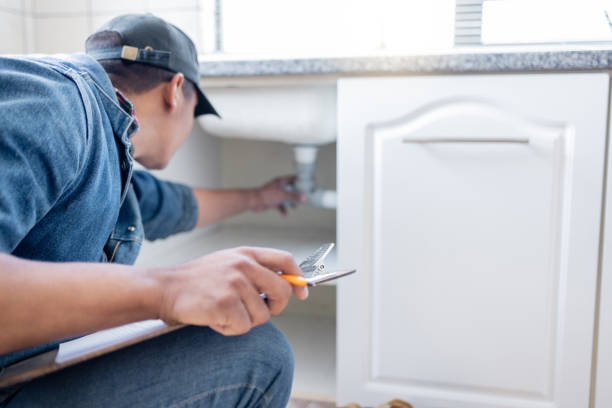
Supply lines, drains, water heater, fixture operation, and visible leaks |
|
Electrical |
Service panel, breakers, grounding, and GFCI protection in wet areas |
|
HVAC |
Heating and cooling operation, condensate drains, duct insulation, and cooling performance |
In our humid region, an inspector pays special attention to whether the HVAC system dehumidifies well, not just cools. They’ll often measure the temperature difference to confirm the unit is working properly.
What interior and safety items are reviewed?
Inside the home, the inspector looks at:
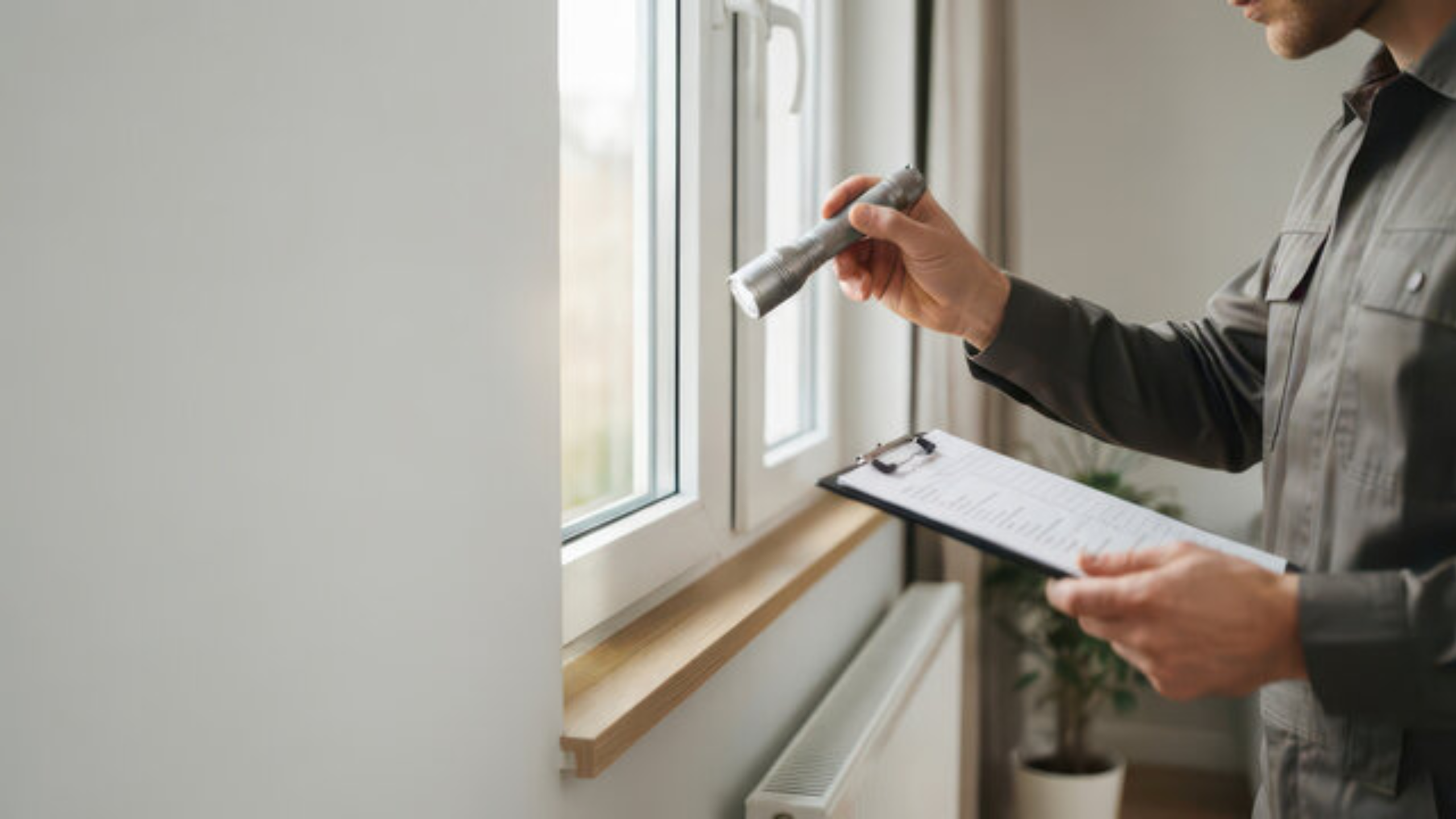
- Windows and doors for operation and seals
- Walls, ceilings, and floors for damage or moisture indicators
- Smoke detectors and other life-safety items
- Trip hazards and general safety concerns
A thorough visual review of moisture issues runs through every one of these areas. This is where the value of a local, detailed inspection really shows.
The bottom line
A home inspector in Scott checks far more than most buyers realize—from the foundation up to the roof, and every major system in between. Understanding what’s covered helps you read your report with confidence and ask better questions.
Ready to see it all documented for your specific property? Schedule a detailed residential home inspection with Select Inspections. Our licensed, InterNACHI CPI Certified team delivers same-day reports on buyer inspections. Call (337) 356-3481 or request a free quote.
Frequently asked questions
Does a home inspector check every part of the house?
An inspector checks all accessible areas and systems visually. They don’t open walls or move heavy furniture, so some areas may be limited. The report notes anything that couldn’t be fully evaluated.
Do inspectors get on the roof?
When it’s safe, yes. If the roof is too steep, wet, or damaged to walk safely, the inspector evaluates it from a ladder, the ground, or with other tools and notes the limitation.
Does the inspection include mold?
A standard inspection notes visible moisture and possible mold-like growth, but confirming mold requires separate mold testing with air and surface sampling.
How long does the inspection take?
Most residential inspections take 2 to 4 hours, depending on the home’s size, age, and condition.