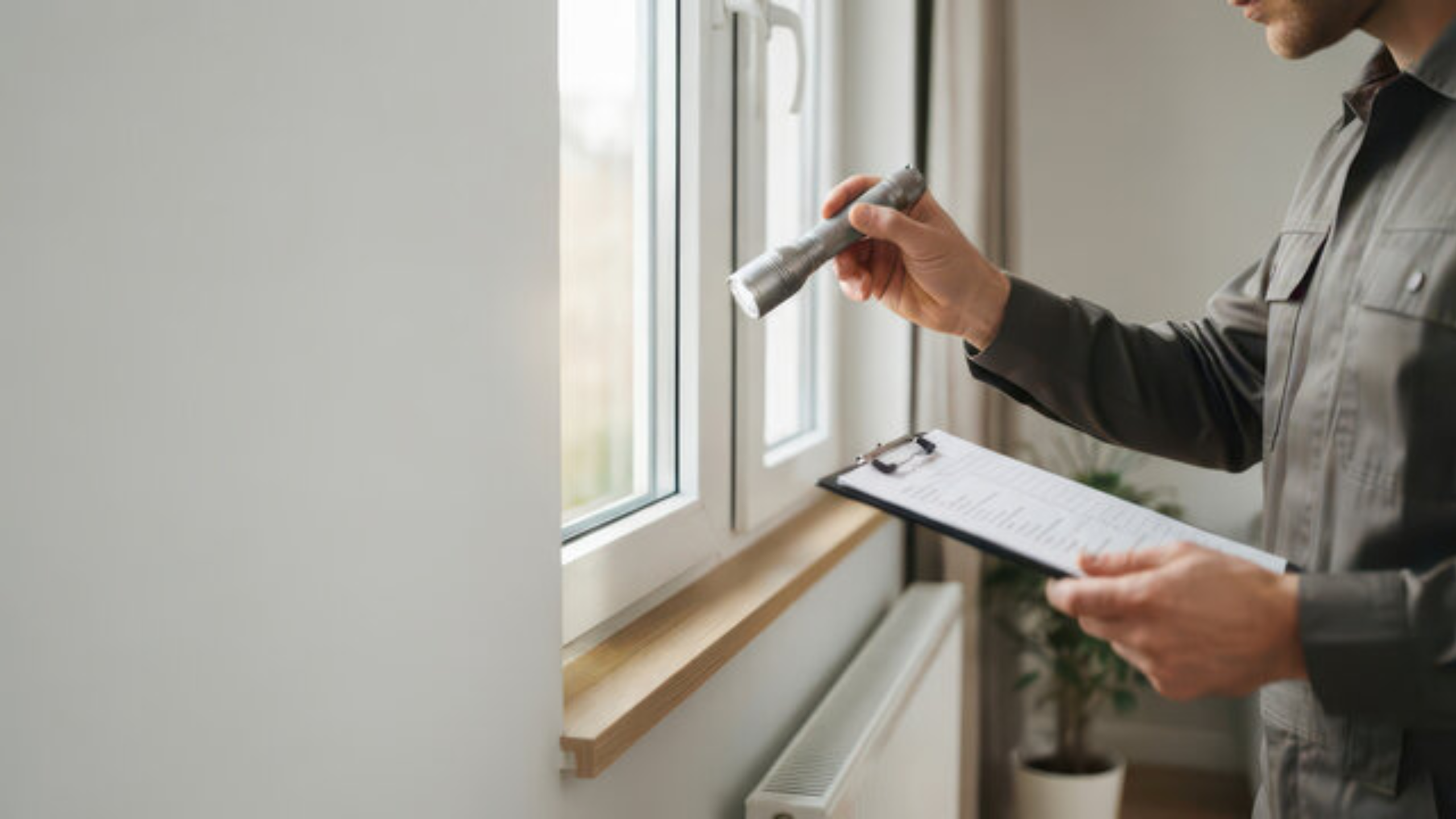

A first-time home buyer inspection is a professional evaluation of a home’s visible systems and components, designed to help new buyers understand what they’re purchasing before closing. First-time buyers benefit most by attending the inspection in person, asking questions throughout, and learning to distinguish between safety concerns, major defects, and routine maintenance items.
You’ve spent months browsing listings, touring homes, and weighing decisions that feel enormous, because they are. You’ve finally gone under contract on a house, and now someone’s telling you to schedule an inspection. If you’re not sure what that means or what to expect from it, you’re not alone.
First-time buyers are often the most well-prepared for other parts of the purchase process, mortgage pre-approval, title insurance, closing costs, but the home inspection is the piece that catches many off guard. Not because it’s complicated, but because nobody really explains what you’re supposed to get out of it.
This guide breaks down exactly what a first-time home buyer inspection covers, which findings deserve your immediate attention, and how to walk away from inspection day with a clear picture of what you’re buying.
Why First-Time Buyers Often Miss Critical Issues
There’s a simple reason first-time buyers sometimes underestimate what an inspection reveals: they’re comparing what they see during showings to what the inspector sees during a systematic evaluation. Those are very different things.
During a showing, you’re assessing livability, does the layout work, is there enough storage, does the neighborhood feel right? During an inspection, a licensed professional is assessing condition, are the systems functional, are there signs of moisture intrusion, is the electrical panel safe, how old is the roof?
These aren’t questions most buyers are equipped to answer on their own. That’s the entire point of the inspection: to give you objective information from someone trained to find what’s not obvious.
What a First-Time Home Buyer Inspection Covers in Acadiana
Louisiana’s climate adds a layer of complexity that buyers from other regions sometimes don’t anticipate. Here’s what a home inspection typically evaluates, with notes on what matters most in South Louisiana.
Roof Condition
The roof is inspected from exterior and, where accessible, from the attic side. Inspectors look at the age and condition of roofing materials, flashing around chimneys and vents, the condition of gutters and downspouts, and any visible signs of past or active water intrusion. In South Louisiana, heavy rainfall and seasonal storm exposure can accelerate wear on roofing materials. An older roof nearing the end of its expected lifespan is a meaningful consideration for your budget.
Foundation and Structure
Inspectors evaluate the foundation and accessible structural framing for visible signs of movement, settling, or deterioration. In Acadiana, the clay soil composition and frequent wet-dry cycles can contribute to gradual foundation movement over time. Inspectors look for cracking patterns, sloped floors, and door and window frames that may no longer be plumb, all of which can indicate settlement worth monitoring or investigating further.
Electrical System
The electrical panel, branch circuit wiring, outlets, and switches are all evaluated during a standard inspection. For first-time buyers, the electrical section of a report can feel overwhelming, but the key things to understand are whether the panel is adequate for modern usage, whether there are visible wiring concerns, and whether any safety issues (like ungrounded outlets near water sources or double-tapped breakers) need prompt attention. These are the findings that tend to warrant early action.
Plumbing
Inspectors assess visible supply lines, drain lines, water pressure, water heater condition and age, and all accessible fixtures. Slow drains, signs of past leaks beneath sinks, or a water heater that’s well past its typical lifespan are all things that appear in inspection reports and warrant attention. For homes in Lafayette with older plumbing configurations, inspectors may note the presence of materials or conditions that have since been updated in modern construction.
HVAC System
In South Louisiana, HVAC systems run hard. Summers are long and humid, and a system that’s struggling to keep up, or one that’s aging out of its reliable service window, can be a significant expense. Inspectors evaluate the age and condition of heating and cooling equipment, airflow, visible ductwork, filter condition, and evidence of proper operation. First-time buyers should pay close attention to this section: HVAC replacement is one of the larger unexpected costs homeowners face.
Attic
The attic tells a story about a home’s overall health. Inspectors look at insulation coverage and type, ventilation, roof framing, and any signs of moisture accumulation or pest activity. In Acadiana’s humid climate, poor attic ventilation can create conditions where moisture builds up inside the roof assembly, contributing to wood deterioration or mold growth that isn’t visible from living spaces below.
Moisture and Mold Risk
Moisture-related findings appear more frequently in Louisiana inspections than in many other states. The combination of high ambient humidity, heavy rainfall, and homes with older moisture barriers means inspectors commonly find evidence of past or present moisture intrusion. Visible staining on ceilings, efflorescence on concrete, or musty odors in enclosed spaces are all worth noting. When moisture concerns are present, a separate mold testing service, which involves air and surface sampling, can give you scientific data rather than just visual observation.
Safety Concerns
Safety-related findings are flagged prominently in a professional report. These include things like missing handrails on staircases, GFCI outlets absent near water sources, inoperable smoke or carbon monoxide detectors, improperly secured water heaters, or exhaust venting that doesn’t terminate to the exterior. None of these are reasons to panic, but they’re also the findings that should be addressed sooner rather than later.
Questions to Ask During Your Inspection
Attending your inspection in person is one of the most valuable things you can do as a first-time buyer. It gives you a chance to ask questions while the inspector is physically showing you what they’ve found. Here are some worth keeping in mind:
- What’s the most important thing I should know about this house?
- Is this a safety concern, or is it more of a long-term maintenance item?
- How old do you estimate the roof and HVAC to be?
- Have you seen moisture-related issues in this area of the house before?
- What should I be doing in the first year to maintain this property?
Good inspectors welcome these questions. The goal of an education-first inspection approach is to make sure you leave the property better informed than when you arrived, not just with a document, but with a real understanding of the home.
How to Read Your Inspection Report as a First-Time Buyer
Inspection reports can run thirty, fifty, or even more pages for a detailed property evaluation. That can feel like a lot. Here’s how to approach it without getting lost.
Start with the summary. Select Inspections includes a Repair Request Summary at the beginning of every report, which highlights the most significant findings without requiring you to read every line. That’s your starting point.
Triage the findings. Findings in a report typically fall into a few categories: immediate safety concerns, significant defects that affect function or value, and routine maintenance items. The paint peeling in the garage is in the report, but it belongs in a different category than an aging electrical panel.
Don’t use the report as a checklist for demands. First-time buyers sometimes feel tempted to request that every item in the report be addressed before closing. That’s rarely strategic. Focus on the findings that are material, safety issues, significant defects, and anything that represents a major near-term cost.
Talk to your agent about what’s negotiable. In Louisiana, buyers can negotiate repairs, credits, or price adjustments based on inspection findings. Your agent can help you decide which findings are worth raising and how to approach that conversation.
What Findings Deserve Immediate Attention?
Not everything in a report requires immediate action. But certain categories consistently warrant prompt attention:
Active roof leaks or significant moisture intrusion are high-priority findings. Deferred maintenance here can lead to structural damage, mold growth, and expensive remediation.
Electrical safety issues, particularly anything involving exposed wiring, overloaded panels, or missing safety devices near water sources, should be addressed before occupancy.
HVAC systems that are not functioning or are significantly degraded represent both a comfort issue and a budget consideration, particularly heading into a South Louisiana summer.
Foundation concerns noted by the inspector may warrant a follow-up consultation with a structural engineer, especially if movement appears to be active rather than historic.
The routine items, faucet aerators, weatherstripping, minor caulking, older fixtures, can be addressed over time as you settle into the home.
Ready to Schedule Your First-Time Buyer Inspection?
Select Inspections serves first-time buyers throughout Lafayette and the Acadiana region. The Select Inspections team takes an education-first approach, meaning inspectors take the time to explain what they’re finding in plain language, not just in the report, but during the inspection itself.
Detailed digital reports are delivered promptly, include photographs of all noted findings, and begin with a Repair Request Summary so you can identify the most important items quickly. Learn more about the first-time home buyer inspection service or book your inspection online at any time.
Frequently Asked Questions: First-Time Home Buyer Inspections
1. What should a first-time buyer look for in a home inspection report?
First-time buyers should focus on findings related to safety, major system deficiencies (roof, HVAC, electrical, foundation), and any moisture-related concerns. Routine maintenance items also appear in reports but generally do not require the same level of urgency. A Repair Request Summary at the beginning of the report helps buyers identify the most significant findings quickly.
2. Should first-time home buyers attend the inspection in person?
Yes. Attending the inspection allows first-time buyers to ask the inspector questions in real time, see deficiencies firsthand, and leave with a more complete understanding of the property than a written report alone can provide.
3. What is the most common issue found during home inspections in Lafayette, LA?
Inspectors in Acadiana commonly observe moisture-related findings, drainage concerns, aging HVAC systems, and electrical items in older homes. Termite-conducive conditions are also frequently noted given the region’s climate and termite pressure.
4. Is a first-time home buyer inspection different from a standard buyer's inspection?
The physical scope of the inspection is the same. The difference with first-time buyers is the approach a good inspector will take extra time to explain findings, answer questions, and walk a first-time buyer through what they’re observing. Select Inspections uses an education-first approach specifically designed to support buyers who are going through this process for the first time.
5. How much does a home inspection cost for a first-time buyer in Lafayette, LA?
Inspection pricing varies based on the size, age, and type of property. Contact Select Inspections at (337) 356-3481 or request a quote online for a specific estimate based on the property you’re purchasing.
6. Can a home inspection help me decide whether to walk away from a purchase?
An inspection gives you factual information about a property’s condition. It doesn’t make the decision for you, but it gives you the information needed to make an informed one. Some findings particularly those involving major structural issues, active moisture intrusion, or significant deferred maintenance may affect whether a buyer chooses to proceed, negotiate, or withdraw.