Buying a commercial property is a big investment. Whether it is an office building, retail store, warehouse, or apartment complex, it is important to know the condition of the property before making a purchase. This is why commercial property due diligence is an important step in the buying process.
Commercial property due diligence involves checking the property carefully to find any existing problems, repair needs, or safety issues. A detailed inspection can help buyers avoid unexpected costs after the purchase. It can also provide useful information that helps with negotiations and better decision-making.
Most commercial properties need regular maintenance and repairs over time. If these issues are not found before buying, they can lead to higher expenses later. By completing commercial property due diligence, buyers can understand future repair costs, identify building concerns, and make smarter investment decisions.
What Is Commercial Real Estate Due Diligence?
Understanding Due Diligence
Commercial real estate due diligence is the process of checking a property before buying it. The goal is to learn about the building’s condition, its systems, and any possible problems.
During this process, buyers look at inspection reports, maintenance records, property documents, and the condition of the building. This helps them understand what repairs or improvements may be needed now or later.
A thorough due diligence review can also find hidden problems that may not be noticed during a regular property visit.
Why It Matters for Buyers and Investors
Due diligence helps buyers understand the true condition of a property before buying it. It helps find possible problems and future repair costs before the property changes ownership.
Without a proper inspection, buyers may face costly repairs, safety issues, or problems with important building systems. Finding these issues early makes it easier to plan expenses, avoid surprises, and make better buying decisions.
Understanding Capital Expenditures (CapEx)
What CapEx Means
Capital expenditures, also known as CapEx, are major repairs, upgrades, or replacements made to a building. These projects help keep the property in good condition and working properly for a longer time.
Unlike regular maintenance, CapEx projects usually cost more and are done less often. These expenses can have a big impact on a property’s value and future operating costs.
Common CapEx Items in Commercial Buildings
Many commercial buildings have parts and systems that will need to be replaced over time. Roofs can become old and damaged, HVAC systems may not work as well as they once did, and parking lots can develop cracks and other wear.
Plumbing, electrical systems, elevators, windows, and outside building materials can also become worn out as they get older. Checking the condition of these parts is an important step during due diligence.
Why CapEx Planning Is Important
Unexpected repair and replacement costs can affect your budget and lower profits. Understanding the condition of important building systems helps buyers plan for future expenses.
A property may look good at first, but it could need major repairs a few years later. Finding these costs before buying helps investors plan their budget better and avoid unexpected expenses.
Common Structural Problems Found in Commercial Properties
Foundation Issues
The foundation holds up the entire building. Problems with the foundation can cause expensive repairs and may affect the safety of the property.
During an inspection, professionals look for cracks, uneven floors, signs that the building is sinking, and other signs of movement. Not every crack is a major problem, but some cracks can be a sign that the foundation needs attention.
Roof-Related Concerns
Commercial roofs face sun, rain, wind, and other weather conditions all year. Over time, the roof can wear out and may start to leak.
When water gets inside, it can damage insulation, ceilings, walls, and other parts of the building. A roof inspection helps identify any problems, check the roof’s condition, and estimate how much longer it may last.
Wall and Building Frame Problems
Structural walls and framing help keep a building strong and stable. Damage in these areas can make the building weaker and lead to costly repairs.
Inspectors check for cracks, rust, damaged wood, and signs that parts of the building may be shifting or moving. These issues can point to bigger problems that may need attention.
Moisture and Water Damage
Water is one of the main reasons properties get damaged. Too much moisture can cause mold, damage building materials, and weaken parts of the structure over time.
Common signs of water getting into a building include water stains, wet surfaces, peeling paint, and musty smells. Finding these problems early can help avoid bigger and more expensive repairs later.
Key Areas to Inspect During Due Diligence
Building Structure
A complete inspection should look at the foundation, walls, floors, and other important parts of the building. These areas help support the building and keep it safe.
By checking these areas, Select Inspection can help buyers find problems that may need repairs now or later. This gives buyers a better understanding of the property’s condition before making a purchase.
Roofing System
The roof is one of the most costly parts of a building to replace. During the due diligence process, inspectors check the roof’s condition, age, drainage, and any visible damage.
Knowing how much longer the roof may last helps property buyers prepare for future repair or replacement costs.
Mechanical Systems
Heating and cooling systems are important for keeping a building comfortable and running properly.
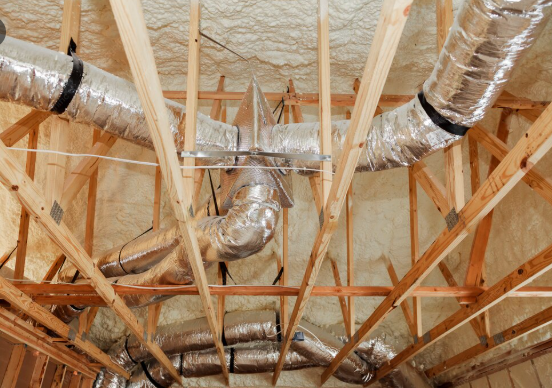
Inspectors check the condition of the HVAC system, review service records if available, and look for signs of wear or poor performance. Older systems may need repairs or replacement sooner.
Plumbing and Electrical Systems
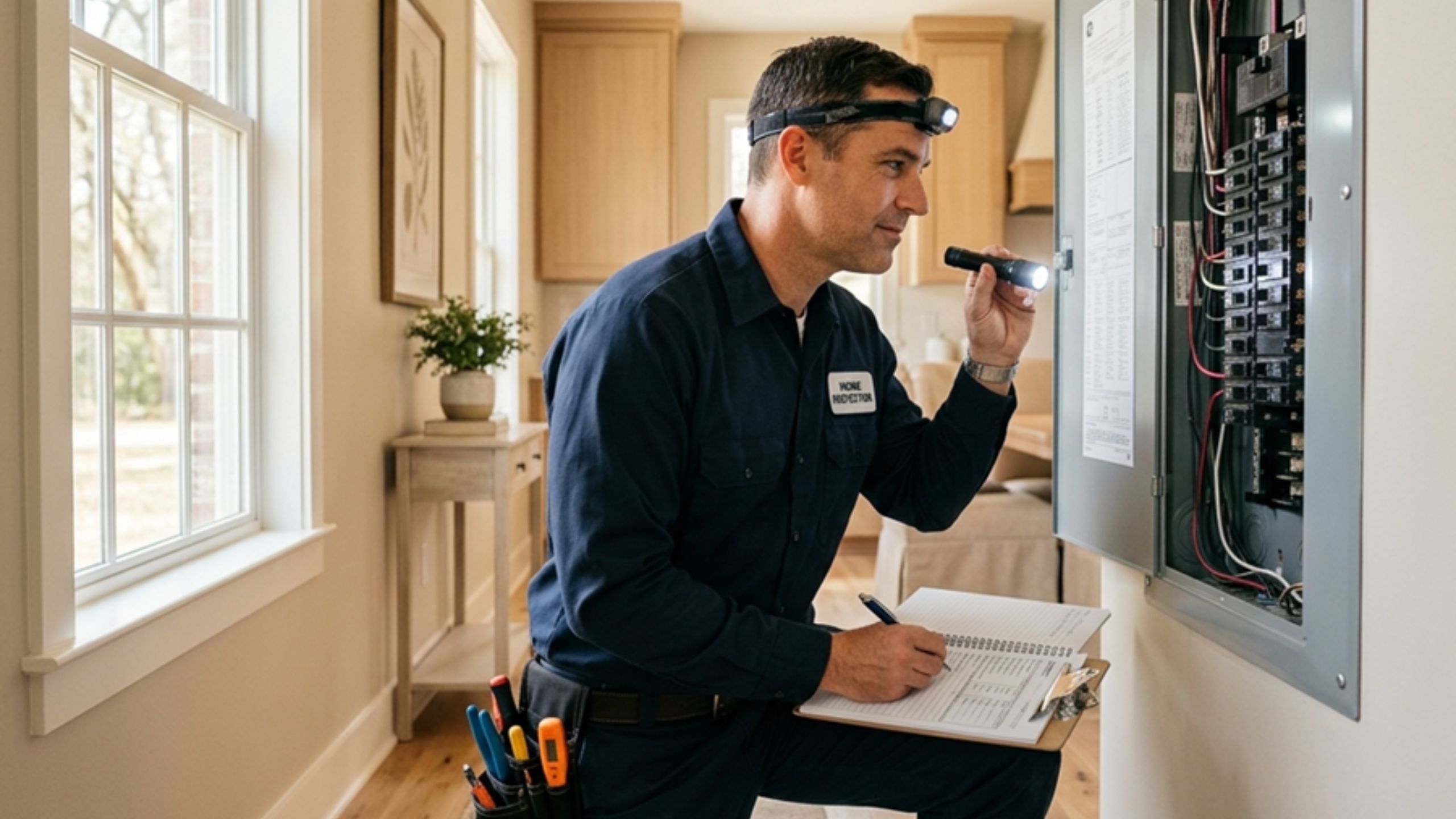
Plumbing and electrical systems are important for the day-to-day use of a building. Problems with these systems can cause interruptions, safety issues, and expensive repairs.
A thorough inspection can help find old equipment, safety concerns, and parts that may need replacement soon.
Exterior Components
The outside areas of a commercial property also need regular checks. Parking lots, walkways, drainage areas, and exterior walls can develop issues over time.
Poor drainage can allow water to collect around the building, which may lead to leaks and foundation problems. Cracked pavement and damaged walkways can create safety hazards and lead to higher repair costs.
Reviewing Property Documents and Records
Maintenance History
Maintenance records can show how a property has been cared for over time.
Regular maintenance usually shows that the owner has taken good care of the building. Missing records can make it harder to know the condition of important building systems.
Looking at past repairs can help buyers find ongoing problems and understand what repairs may be needed in the future.
Previous Inspection Reports
Previous inspection reports can give helpful details about problems that have already been found.
Buyers should check any repair suggestions, completed repairs, and issues that were not fixed. This can help them spot ongoing problems that may need a closer look.
Permits and Building Compliance
Property owners should check that any renovations, additions, or major repairs were done with the correct permits.
Looking at permits and building records helps confirm that the property follows local rules and can help avoid problems or extra costs in the future.
Environmental and Safety Considerations
Environmental Risks
Environmental issues can affect the safety and value of a commercial property.
Poor drainage, ground movement, and harmful materials can lead to extra repair costs and problems in the future. Finding these issues during the due diligence process helps buyers understand possible risks before buying the property.
Safety Issues
Commercial buildings should be safe for everyone who uses them.
Inspectors check fire safety equipment, emergency exits, and other important safety features. Finding and fixing problems early can help prevent accidents and keep the building in good condition.
Why These Checks Matter
Environmental and safety problems can become expensive if they are not fixed. Finding these issues before buying a property helps investors make better decisions and prepare for future costs.
Estimating Future Repair and Replacement Costs
Creating a Capital Reserve Plan
A capital reserve plan helps property owners save money for future repairs and replacements.
By understanding how long major building systems are likely to last, owners can plan ahead for future costs and avoid large unexpected expenses.
Evaluating Remaining Service Life
Every part of a building will wear out over time. Roofs, HVAC systems, electrical systems, and plumbing systems will eventually need repairs or replacement.
An inspection can help determine the current condition of these systems, how much longer they may last, and when repair or replacement costs may be needed in the future.
Using Inspection Findings for Financial Planning
Inspection results help buyers identify which repairs should be done first and understand possible future costs.
This information helps with budgeting, planning future expenses, and managing the property more effectively over time.
Benefits of Professional Property Inspections
Early Problem Detection
Professional inspections can find problems that are not easy to see during a normal property visit.
Finding these issues before buying the property helps buyers understand possible repair costs and avoid unexpected expenses later.
Better Negotiation Opportunities
Inspection results can help during price discussions.
Buyers may ask for repairs, request a lower price, or ask for money back to cover problems found during the inspection.
Improved Investment Confidence
A detailed inspection helps buyers better understand the condition of the property.
This information allows investors to make informed decisions and move forward with more confidence based on the actual condition of the building.
Red Flags Buyers Should Never Ignore
Visible Structural Cracks
Large cracks in foundations, walls, or structural components should always receive further evaluation. These issues may indicate movement or structural stress that requires attention.
Frequent Water Problems
Ongoing leaks, drainage concerns, and signs of moisture intrusion can lead to significant repair costs if not corrected.
Buyers should carefully investigate any evidence of recurring water-related issues.
Aging Building Systems
Older HVAC units, electrical equipment, and plumbing systems may require replacement sooner than expected.
Understanding their condition helps buyers avoid major expenses shortly after purchase.
Missing Maintenance Records
A lack of maintenance documentation can make it difficult to assess the true condition of a property.
When records are unavailable, additional inspections may be necessary to reduce uncertainty.
Conclusion
Commercial real estate due diligence helps buyers avoid unexpected repair costs and building problems. A detailed inspection can uncover issues that may need attention now or in the future. It also helps buyers understand the true condition of the property before making a purchase.
From the foundation and roof to HVAC systems and drainage, every important part of the building should be checked carefully. This helps investors make better decisions, prepare for future repairs, and avoid costly surprises after buying the property.
If you are planning to purchase a commercial property, Select Inspection can help you gain a clear understanding of its condition. Contact us today to schedule a professional inspection and make your investment decision with greater confidence.
Frequently Asked Questions
1. What is commercial real estate due diligence?
Commercial real estate due diligence is the process of evaluating a property before purchase to identify risks, repair needs, and future costs.
2. Why is due diligence important when buying commercial property?
It helps buyers understand the property’s condition and avoid unexpected repair expenses after the purchase.
3. What are capital expenditures in commercial real estate?
Capital expenditures, or CapEx, are major repair or replacement costs for building components such as roofs, HVAC systems, and parking lots.
4. What structural issues are commonly found during inspections?
Common issues include foundation cracks, roof damage, water intrusion, wall cracks, and structural movement.
5. How can a property inspection help investors?
A property inspection identifies existing problems, estimates future repair costs, and supports informed investment decisions.