
A home inspection is not just a routine check. It is a detailed evaluation that helps you understand the true condition of the property before you complete your purchase. When you know what to expect, the entire experience becomes more meaningful, more structured, and far less overwhelming.
This guide explains everything buyers need to know about inspection day, including how to prepare, what happens during the inspection, how the inspection timeline works, and what you should focus on during the buyer walkthrough.
At Lafayette Home Inspections, LLC Lafayette Home Inspections, the goal is to provide a clear and structured inspection experience so buyers can make confident and informed decisions.
Understanding the Home Inspection Process
The home inspection process is a systematic and visual evaluation of a property’s accessible systems and components. It is important to understand that a home inspection is not a pass or fail assessment. Instead, it is a condition report that helps buyers understand what they are purchasing.
During the inspection, the inspector examines the structure and major systems of the home. This includes the roof, foundation, plumbing, electrical systems, HVAC systems, insulation, ventilation, windows, doors, and other visible structural components. The inspector also looks for signs of damage, wear and tear, safety concerns, and potential maintenance issues.
The purpose of this process is to provide clarity. Buyers gain insight into how well the home has been maintained and what repairs or improvements may be needed in the future. This information becomes a powerful tool during negotiations and final decision-making.
Why Inspection Day Matters for Buyers
Inspection day is one of the most important stages in the home buying journey because it reveals the actual condition of the property beyond what is visible during showings. Even homes that look perfect on the surface can have hidden issues that only a professional inspection can uncover.
This day is not about finding a perfect home. It is about understanding the reality of the home. Every property, whether new or old, will have some level of maintenance or repair needs. The key is knowing which issues are minor and which require attention before closing.
For buyers, inspection day provides peace of mind. It ensures that there are no surprises after the purchase is complete and gives you the opportunity to make informed decisions based on facts rather than assumptions.
How to Prepare for Inspection Day
Preparation for inspection day is simple but important. Buyers should plan to attend the inspection whenever possible because it allows them to see the process firsthand and ask questions directly.
Before inspection day, coordination with your real estate agent is essential. You should confirm the time, location, and expected duration so you can arrive on time. Inspectors typically begin with an introduction where they explain how the inspection will proceed, so being present from the start is helpful.
Buyers do not need to prepare the home itself, but it is important that the property is accessible. All areas such as basements, attics, electrical panels, water heaters, and utility spaces should be reachable. Utilities should also be turned on so that systems can be tested properly.
Mentally, buyers should be prepared for a detailed and sometimes lengthy process. The inspection will include both positive observations and areas of concern. This is normal and expected in every home inspection process.
What Happens During the Inspection
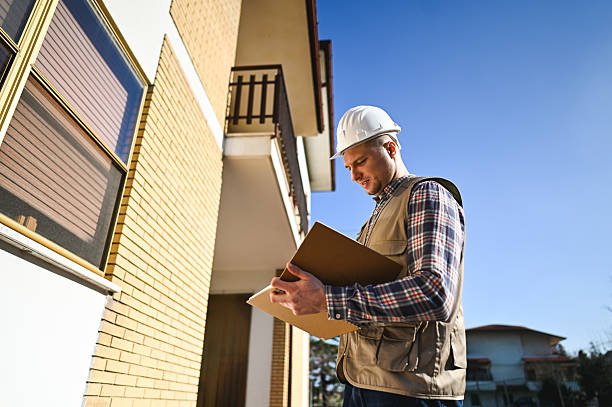
The inspection day follows a structured and methodical sequence. It begins with an exterior evaluation where the inspector examines the roof condition, gutters, drainage systems, siding, and foundation. This step helps identify visible structural issues and potential water-related concerns that could affect the property’s long-term durability.
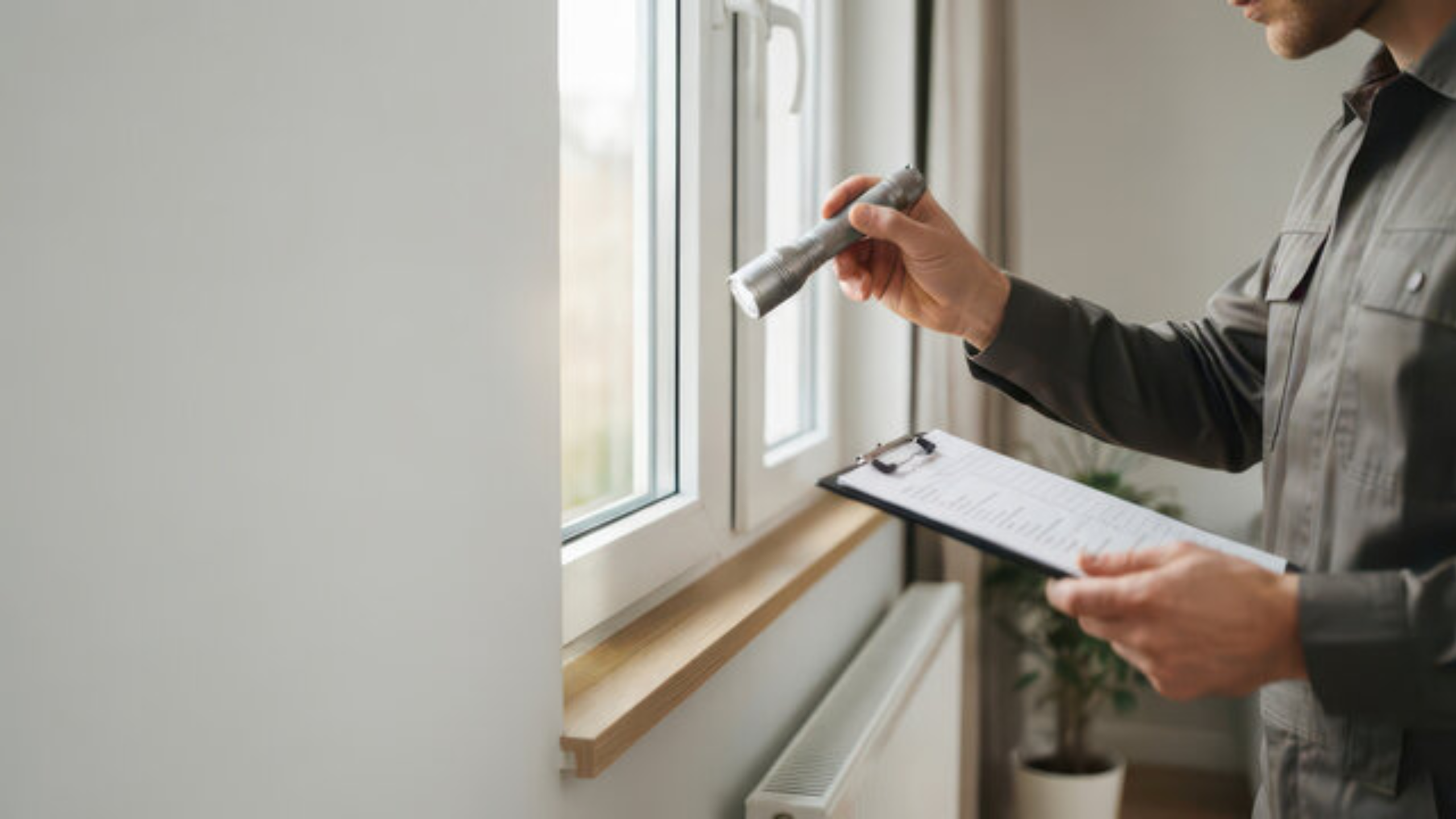
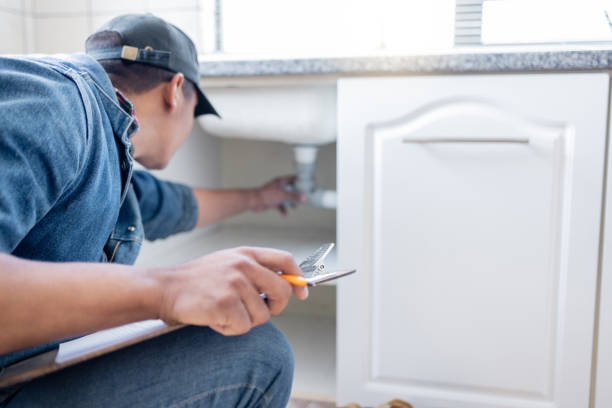
After completing the exterior inspection, the focus shifts to the interior of the home. The inspector evaluates walls, ceilings, floors, doors, and windows while also testing major systems such as plumbing fixtures, electrical outlets, heating systems, cooling systems, and built-in appliances.
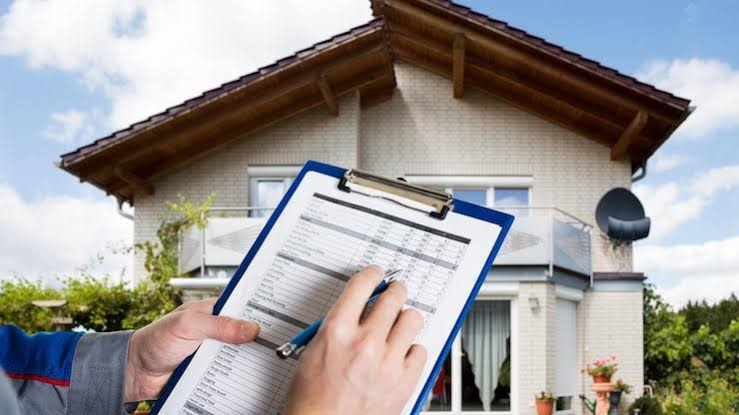
Every observation is carefully documented. Inspectors take detailed notes and photographs to ensure that nothing is missed. These records are later used to prepare a comprehensive inspection report that summarizes the findings in detail.
The inspection timeline usually ranges between two and four hours for an average home. However, larger properties or older homes with more complex systems may require additional time to complete a thorough evaluation.
Understanding the Inspection Timeline
The inspection timeline is structured to ensure that each part of the home is carefully reviewed without rushing. The process typically begins with a short introduction where the inspector explains what will be covered and answers any initial questions from the buyer.
Next, the exterior inspection takes place. This includes a detailed review of visible structural elements, roofing materials, drainage systems, and grading around the property. This stage helps identify any potential external risks such as water intrusion or structural wear.
Once the exterior evaluation is complete, the inspector moves inside the home. This is usually the most time-consuming part of the inspection because it involves testing multiple systems and examining each room individually.
After all systems have been reviewed, the inspector may conduct a final walkthrough with the buyer. This walkthrough highlights key findings and provides immediate clarity before the official report is prepared.
The final inspection report is typically delivered within 24 to 48 hours. It includes detailed descriptions, photographs, and recommendations for repairs or further evaluation if necessary.
Buyer Walkthrough and Its Importance
The buyer walkthrough is one of the most valuable parts of the inspection day experience. This is the stage where the inspector explains findings in simple terms and helps the buyer understand what was discovered during the inspection.
During this walkthrough, buyers are encouraged to ask questions about maintenance, system performance, and any concerns identified during the inspection. This direct interaction helps bridge the gap between technical findings and practical understanding.
The walkthrough also provides context. Not every issue discovered during inspection is serious. Some findings may simply reflect normal wear and aging, while others may require future attention. Understanding this difference is crucial for making informed decisions.
Being present during this part of the home inspection process allows buyers to gain confidence in their purchase and reduces uncertainty about the property’s condition.
Common Findings During Home Inspections
It is important for buyers to understand that most homes will have some level of findings during inspection. Very few properties are completely free of issues, even newly constructed ones.
Common findings often include minor maintenance issues such as worn seals, small leaks, loose fixtures, or aging components. These are typically not major concerns but should still be noted for future maintenance.
More significant findings may include roof deterioration, electrical concerns, plumbing issues, or structural defects. These types of issues may require further evaluation or negotiation before completing the purchase.
The purpose of identifying these findings is not to discourage buyers but to provide a clear and honest understanding of the property’s condition.
How Buyers Should Approach Inspection Day
The best approach for buyers on inspection day is to stay engaged, observant, and open-minded. Attending the inspection in person allows you to see the property in detail and understand how systems function.
It is also helpful to communicate openly with the inspector. Asking questions during the process helps clarify findings and provides better insight into the condition of the home.
Buyers should avoid reacting emotionally to findings. Instead, they should focus on understanding the severity and practicality of each issue. Many concerns identified during inspection can be addressed through repairs, maintenance, or negotiation.
Conclusion
The home inspection process is one of the most important steps in the home buying journey. It provides buyers with a clear understanding of the property’s condition and helps them make confident and informed decisions.
From preparation and inspection timeline to the buyer walkthrough, every stage of inspection day plays a critical role in ensuring transparency and clarity. When buyers understand what to expect, they are better equipped to handle the process without stress or confusion.
Working with experienced professionals like Lafayette Home Inspections, LLC ensures that the inspection is thorough, structured, and easy to understand, helping buyers move forward with confidence and peace of mind.
If you are planning a home purchase or need a professional inspection, feel free to contact us to schedule your inspection today.
Frequently Asked Questions
1. What is included in the home inspection process?
The home inspection process includes a detailed evaluation of structural components, roofing, plumbing, electrical systems, HVAC systems, insulation, and visible safety concerns.
2. How long does a home inspection take?
Most inspections take between two and four hours, depending on the size, age, and condition of the property.
3. Should buyers attend the inspection?
Yes, attending is highly recommended because it helps buyers understand findings directly and participate in the buyer walkthrough.
4. What happens after the inspection is completed?
After the inspection, a detailed report is provided within 24 to 48 hours. Buyers use this report for negotiations or final purchase decisions.
5. Can a home inspection result in a failed home?
No, a home inspection does not pass or fail a property. It only provides a condition report of the home.