Purchasing a home in Lafayette is one of life’s most exciting milestones, but it is also one of the largest financial commitments most people will make. Many buyers focus on curb appeal or staged interiors and may overlook hidden problems that can result in costly repairs. A buyers home inspection in Lafayette is essential to ensure the property is safe, functional, and financially sound.
A thorough inspection identifies structural issues, system defects, and safety hazards while uncovering hidden defects that could otherwise lead to significant expenses. Using a buyer inspection checklist LA, asking detailed inspection day questions, and applying effective repair negotiation tips can save buyers thousands of dollars and provide peace of mind throughout the home-buying process.
Why a Home Inspection Is Crucial
A home inspection is not merely a formality—it is a professional evaluation of the property’s structural integrity, mechanical systems, and safety features. In Lafayette, the humid climate, termite prevalence, and frequent storms make inspections especially critical.
Key Benefits of a Buyers Home Inspection Lafayette
- Detection of Hidden Defects: Identify issues such as water leaks, mold, electrical hazards, and termite damage before purchase.
- Cost Avoidance: Prevent costly repairs after buying the property.
- Negotiation Leverage: Inspection reports allow buyers to request repairs, credits, or price adjustments.
- Future Maintenance Planning: Understand the lifespan of major systems, from HVAC to roofing.
- Safety Assurance: Identify hazards like faulty wiring, carbon monoxide risks, or mold growth.
Skipping a professional inspection exposes buyers to financial risk, structural problems, and potential safety issues, making it a critical step for any Lafayette homebuyer.
Financial Advantages of a Home Inspection
The average cost of a home inspection in Lafayette ranges between $350 and $600, but the potential savings far outweigh the expense.
1. Detecting Hidden Defects
Many defects are not visible during a standard showing. Examples include:
- Faulty wiring behind walls
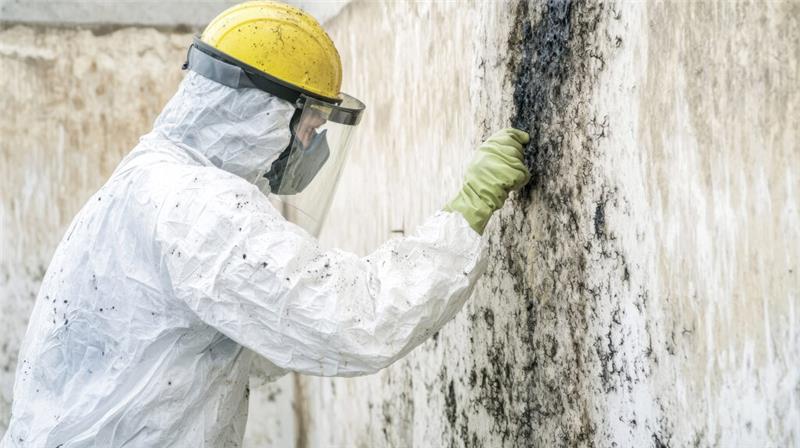
- Hidden mold in attics, basements, or HVAC ducts
- Roof leaks or compromised shingles
- Foundation cracks and settlement
- Plumbing leaks under floors or behind walls
- HVAC malfunctions
- Termite damage
A professional inspection uncovers these problems, helping buyers avoid potentially costly surprises.
2. Strengthening Negotiation Power
Inspection reports provide leverage in negotiations. Buyers can request:
- Repairs prior to closing
- Price reductions based on repair costs
- Repair credits for buyer-managed repairs
- Contract contingencies to protect financial interests
Following repair negotiation tips can often save thousands, allowing buyers to allocate funds to future maintenance or improvements.
3. Long-Term Financial Planning
Inspections reveal the lifespan and condition of major systems, enabling better financial planning. For example:
- Roofs may need replacement in 5–10 years
- HVAC systems may require servicing or replacement
- Plumbing pipes may need updating
- Electrical panels may need modern safety upgrades
Having this information allows buyers to budget effectively and avoid unexpected costs after closing.
Lafayette-Specific Challenges
Lafayette homes face unique environmental challenges. Understanding these helps buyers focus their inspections on the most critical areas.
High Humidity
Lafayette’s humid climate contributes to:
- Mold growth in attics, basements, and crawl spaces
- Wood rot affecting floors, doors, and frames
- Warping of wooden structures
- Moisture accumulation leading to long-term damage
Termite Activity
Louisiana has one of the highest termite prevalence rates in the country. Termite damage often goes unnoticed until structural repairs are needed, making termite inspections a crucial part of any home evaluation.
Storm and Wind Damage
Frequent hurricanes and high winds can damage roofs, siding, and windows. Even if damage is not visible from the street, inspectors can detect subtle signs of storm impact.
Foundation and Soil Concerns
Soft, clay-rich soils can shift over time, leading to:
- Cracks in walls and flooring
- Uneven floors
- Misaligned doors and windows
A buyers home inspection Lafayette ensures such issues are detected and evaluated by professionals.
Comprehensive Buyer Inspection Checklist LA
A detailed checklist ensures that all critical aspects of the property are evaluated.
Exterior
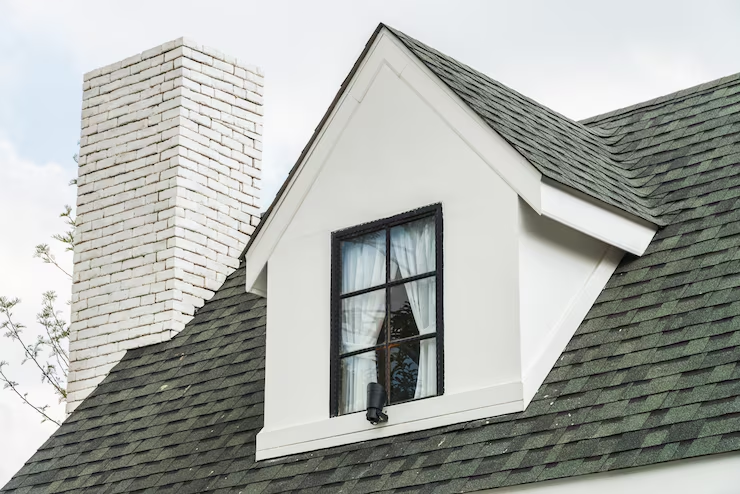
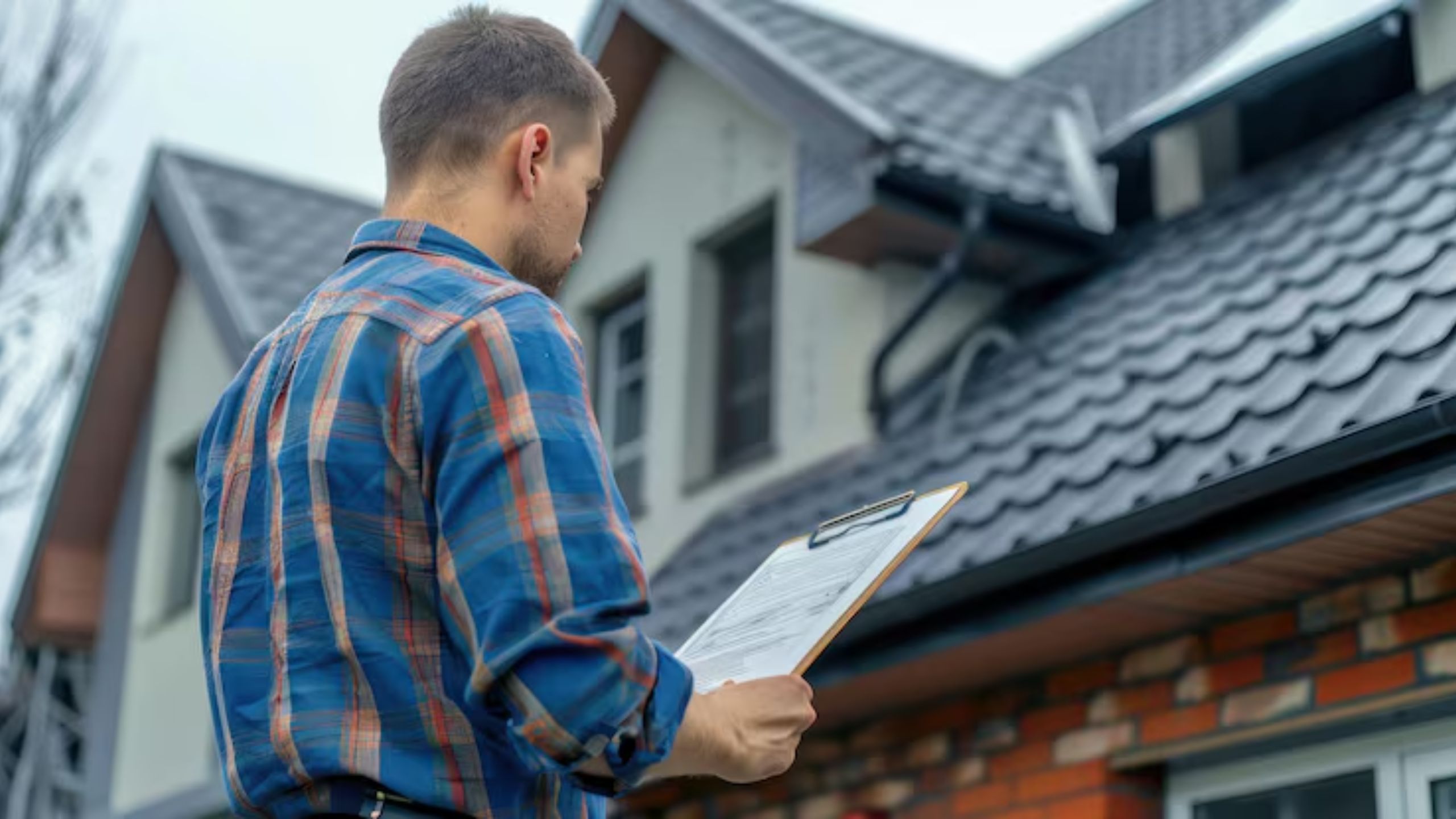
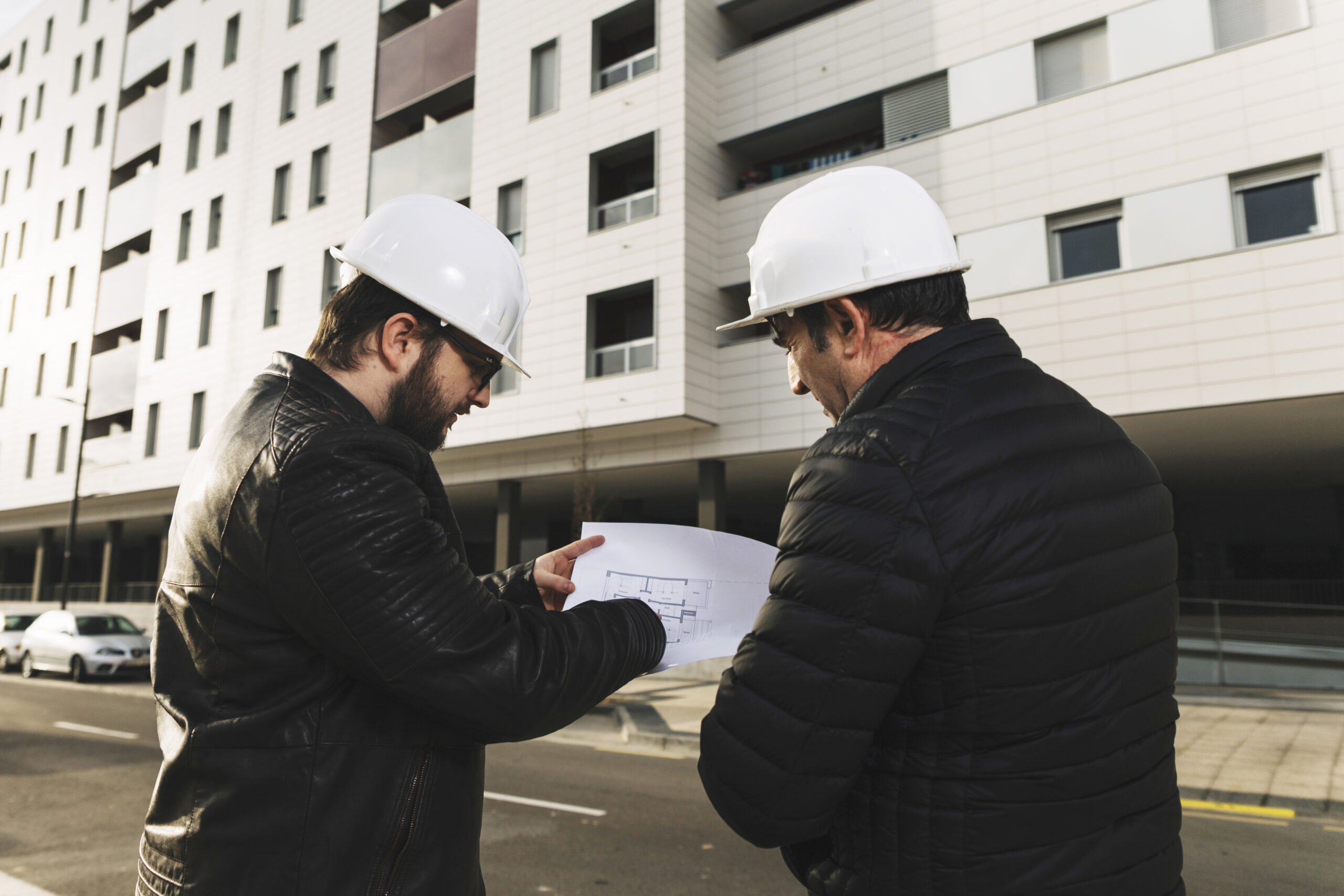
A thorough exterior home inspection is crucial for identifying potential issues before purchasing a property. Inspectors evaluate the roof, siding, gutters, foundation, grading, decks, and patios to detect hidden defects such as water damage, termite activity, or storm-related wear. In Lafayette, where humidity and storms are common, an exterior inspection helps prevent costly repairs and ensures the home’s structure is sound and safe.
Additional exterior considerations include:
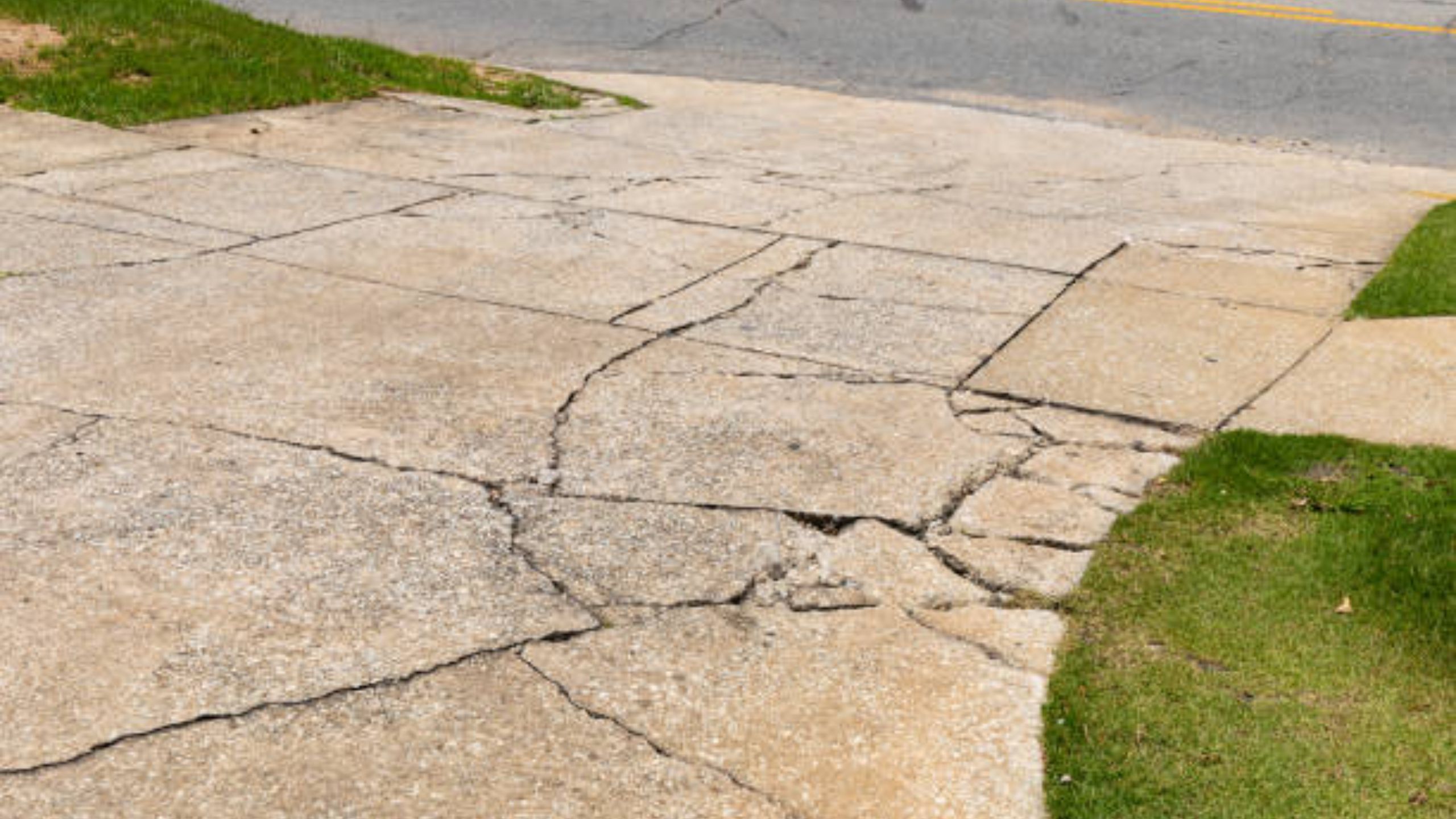
- Driveways and walkways for cracks or settling
- Fencing and gates for stability
- Chimneys, flues, and outdoor structures
Interior
- Walls and ceilings for cracks or water stains
- Floor condition, including carpets and hardwood
- Doors and windows for proper alignment and sealing
- Mold or mildew presence
- Interior stairs and railings
Electrical
- Functionality of outlets, switches, and lighting
- Breaker panel condition and labeling
- GFCI protection in bathrooms and kitchens
- Signs of outdated or overloaded wiring
Plumbing
- Water pressure and flow
- Pipe age, material, and condition
- Drainage efficiency
- Water heater performance
- Visible leaks and past repair evidence
HVAC
- Heating and cooling efficiency
- Age and condition of units
- Cleanliness of ducts and vents
- Mold or moisture detection in the system
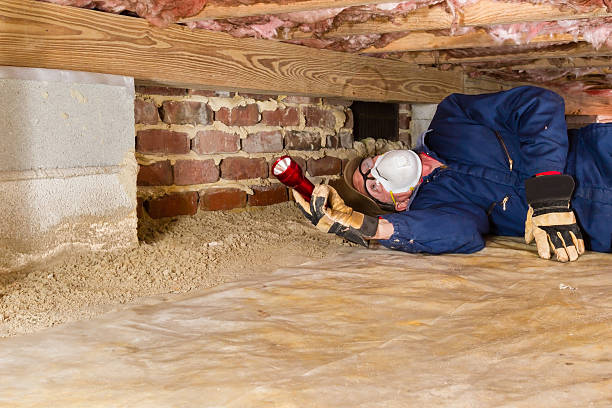
Attic & Crawl Spaces
- Proper insulation and ventilation
- Moisture or water damage
- Signs of pest or termite infestation
- Structural integrity of beams and supports
Safety Systems
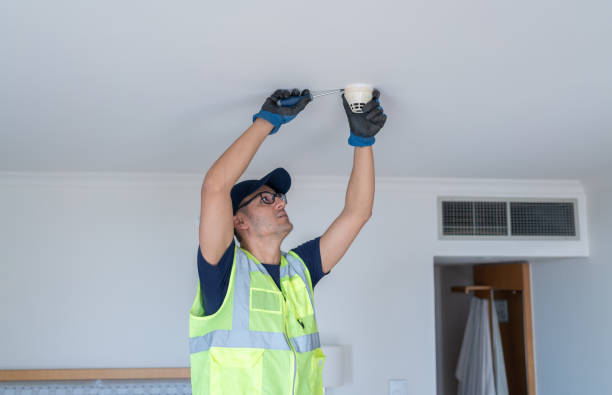
- Smoke and carbon monoxide detectors
- Fireplaces, chimneys, and flues
- Stair safety and railing stability
Inspection Day Tips
Attending the inspection helps buyers engage directly with the inspector and get a clear understanding of the home’s condition.
- Ask Questions: Use the inspection day questions to clarify any issues.
- Take Notes: Document the inspector’s comments, recommendations, and photos.
- Prioritize Repairs: Identify which defects are urgent and which can be monitored over time.
- Request Specialist Evaluations: For structural or mold issues, get detailed reports from qualified professionals.
Common Hidden Defects in Lafayette Homes
Mold and Moisture
Humidity and poor ventilation can cause hidden mold growth, which may lead to health risks and expensive remediation.
Roof Damage
Storms can lift shingles or damage roofing materials. Leaks may not be apparent until water damage becomes severe.
Foundation Problems
Soft clay soils can lead to settling, cracks, and structural shifts, which may require costly repairs.
Plumbing Issues
Leaks under sinks, behind walls, or beneath floors can cause water damage and mold growth.
Electrical Hazards
Outdated or faulty wiring, overloaded circuits, and missing GFCIs create fire risks and safety concerns.
Repair Negotiation Tips
A home inspection provides leverage to negotiate repairs. Key strategies include:
- Focus on Major Issues: Roof, HVAC, plumbing, foundation, and termite damage should take priority.
- Get Multiple Estimates: Support your requests with contractor quotes.
- Request Credits: This gives control over quality and choice of contractor.
- Highlight Safety Concerns: Issues affecting safety should be non-negotiable.
- Use Facts: Present evidence from the inspection report to justify requests.
Return on Investment
Investing in a professional inspection pays off in multiple ways:
- Negotiated Savings: $2,000–$8,000 on average
- Avoided Major Repairs: $10,000–$50,000+
- Better Maintenance Planning: Saves $1,000–$5,000 annually
The upfront cost of a home inspection is minimal compared to the potential savings and peace of mind it provides.
Choosing a Qualified Inspector in Lafayette
When selecting an inspector, consider:
- Louisiana licensing and certification
- Local experience with Lafayette homes
- Detailed reports with photos and recommendations
- Use of advanced tools like thermal imaging and moisture meters
- Willingness to answer questions and provide guidance
A local inspector understands regional issues such as termite prevalence, humidity damage, and storm-related structural problems.
Conclusion
A buyer’s home inspection in Lafayette is an essential step for any serious homebuyer. It protects your investment, identifies hidden defects, and ensures your home is safe and structurally sound. Utilizing a buyer inspection checklist LA, asking the right inspection day questions, and following repair negotiation tips can save thousands of dollars while preventing future headaches.
Frequently Asked Questions (FAQs)
- What is a buyer’s home inspection in Lafayette?
A professional evaluation of the property before purchase, examining structure, systems, and safety to identify defects.
- Why is a home inspection important in Lafayette?
Lafayette homes face unique challenges like termites, humidity, and storm damage. Inspections uncover defects and prevent costly surprises.
- Can repairs be negotiated after an inspection?
Yes. Buyers can request repairs, credits, or price reductions, saving potentially thousands.
- Should buyers attend the inspection?
Yes. Being present allows buyers to ask inspection day questions, see issues firsthand, and fully understand the inspector’s recommendations.
- What happens if major issues are discovered?
Buyers can request repairs, negotiate price adjustments, or walk away to avoid costly mistakes.