
 Buying your first home is a major life milestone and one of the most significant financial commitments you will ever make. In Lafayette, where homes face high humidity, frequent rainfall, and aging infrastructure, scheduling a residential home inspection lafayette is essential to understand the true condition of a property before closing. A home may appear perfect during a showing, yet still have hidden issues that could lead to costly repairs after move-in.
A residential home inspection lafayette helps first-time buyers make informed decisions. It provides professional insight into the condition of a home and helps buyers move forward with confidence rather than uncertainty.
Understanding a Residential Home Inspection
A residential home inspection lafayette is a professional, visual evaluation of a home’s accessible systems and components. The purpose is to identify existing defects, safety concerns, and signs of deterioration that could affect the home’s value or livability. Inspections are non-invasive, meaning inspectors do not open walls or dismantle systems.
For buyers in South Louisiana, a residential home inspection lafayette performed by professionals is especially important due to environmental conditions that accelerate wear and tear. Heat, moisture, and storms can impact roofs, foundations, and mechanical systems over time. An inspection provides a clear snapshot of the home’s condition at the time of purchase.
Why Home Inspections Matter for First-Time Buyers
First-time buyers often lack the experience needed to recognize potential problems during a walkthrough. National housing data shows that most inspected homes reveal at least one issue requiring attention, many of which are not visible to an untrained eye.
In Lafayette, common concerns include moisture intrusion, roof deterioration, outdated electrical systems, and aging HVAC units. Even homes that appear well maintained can have hidden defects. A professional residential home inspection lafayette helps first-time buyers avoid unexpected expenses and understand what ownership may require in the years ahead.
Rather than being an obstacle, an inspection is a protective step that allows buyers to make educated decisions. Following the proper home inspection process ensures that all major systems and components are evaluated systematically.
The Lafayette Housing Environment and Its Impact on Homes
Lafayette’s housing market includes a mix of older homes, renovated properties, and new construction. Many homes in established neighborhoods are several decades old, increasing the likelihood of aging systems and deferred maintenance.
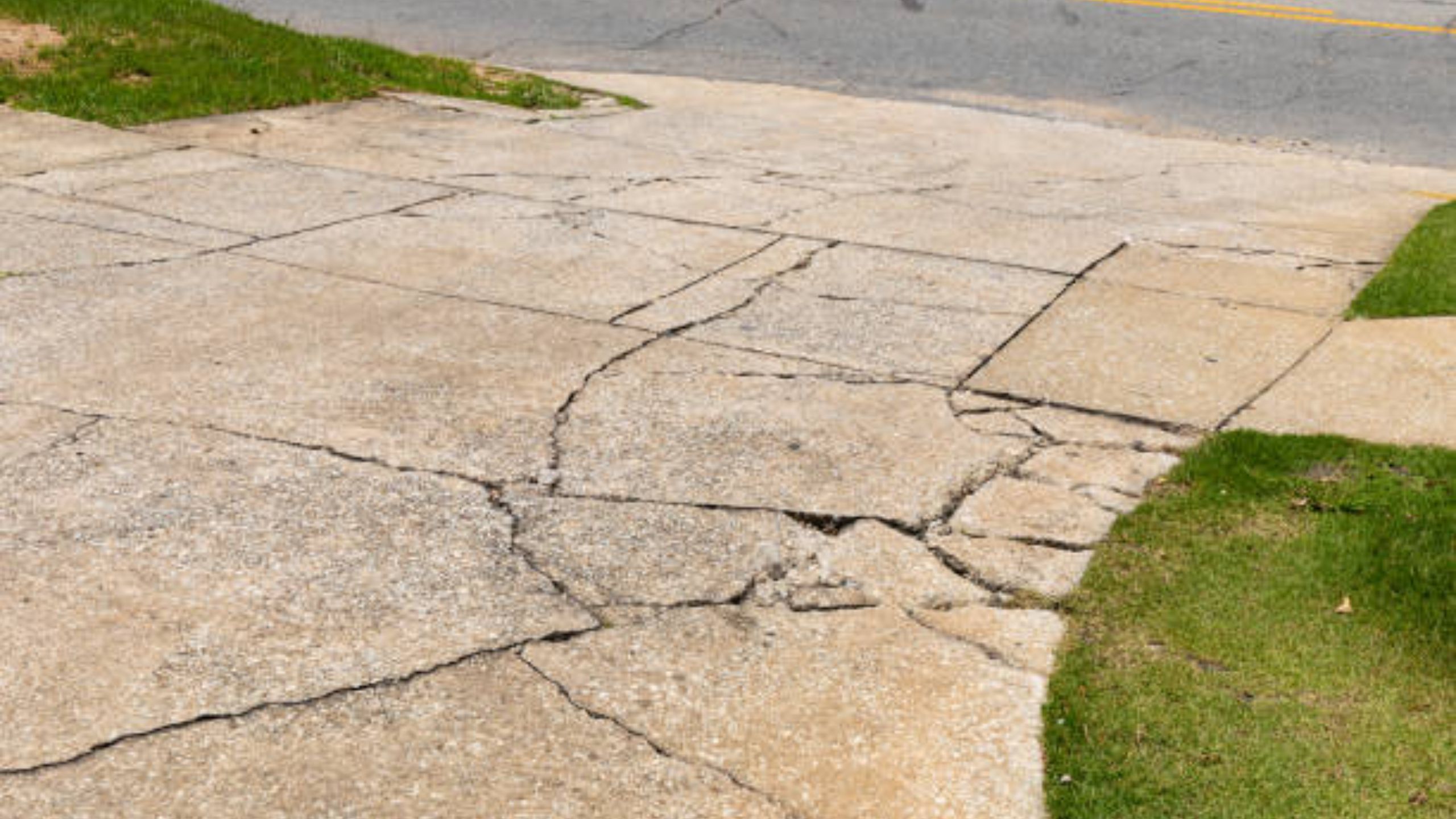
High humidity and frequent rain contribute to moisture-related problems such as wood rot, poor drainage, and foundation movement. Slab foundations, common in the region, can shift over time due to soil conditions. These regional factors make inspections particularly valuable for local buyers.
Inspectors with experience in Lafayette understand where problems are most likely to occur and how to spot early warning signs. Knowing what do inspectors check during an inspection helps buyers focus on potential problem areas such as roofing, electrical systems, and HVAC units.
How the Home Inspection Process Works
The home inspection process begins once a buyer’s offer has been accepted. Most real estate contracts include an inspection contingency that allows buyers a limited time to schedule and complete the inspection.
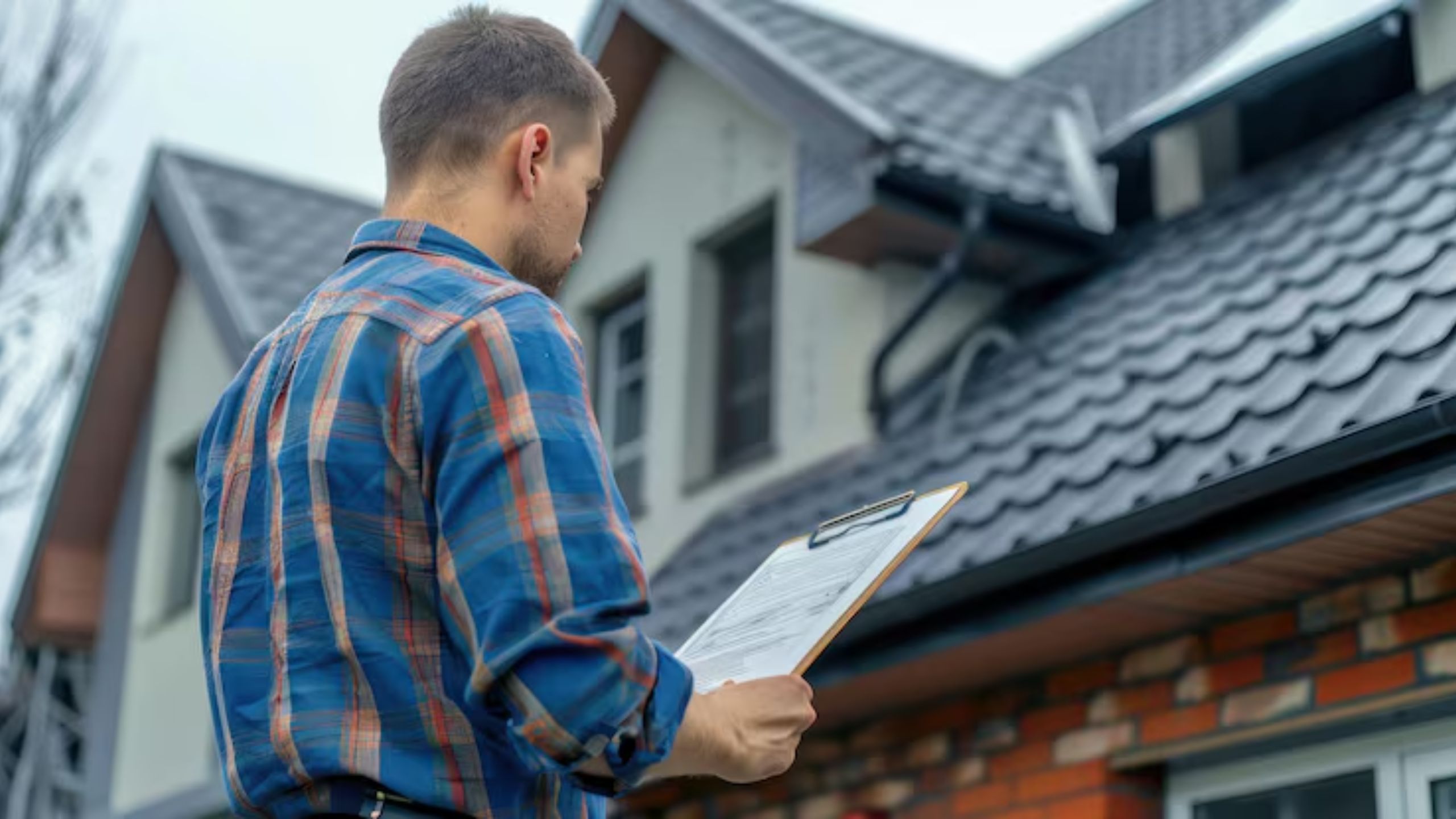
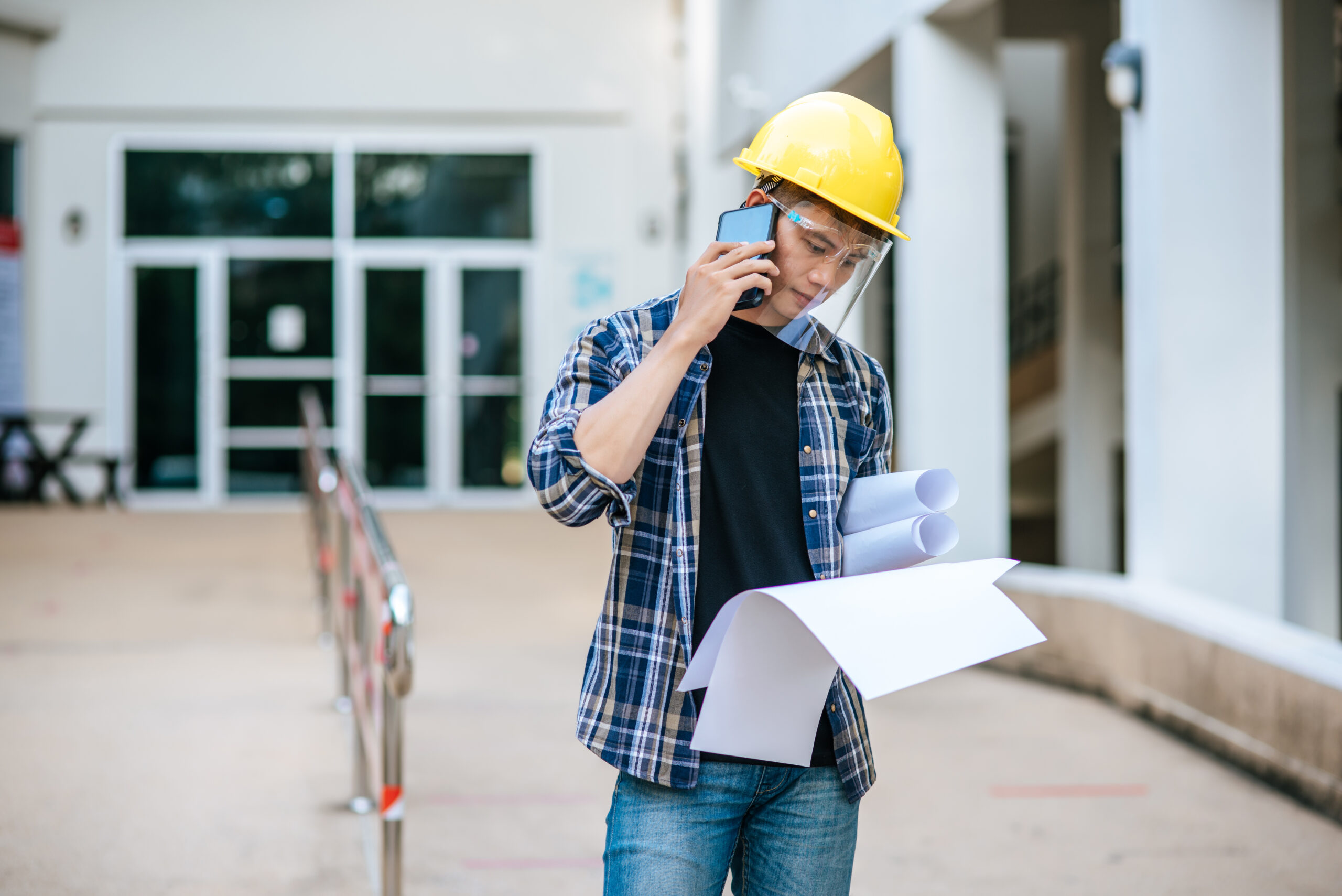
On inspection day, the inspector evaluates the home from top to bottom. The inspection typically takes several hours, depending on the home’s size, age, and condition. Buyers are encouraged to attend so they can observe the inspection and ask questions in real time.
After the inspection, the inspector prepares a detailed written report outlining findings and concerns. This report helps buyers decide how to proceed with the purchase. Following a standardized home inspection process ensures that nothing is overlooked and provides clarity for first-time buyers.
What Inspectors Evaluate During an Inspection
A common question among buyers is what do inspectors check during a residential inspection. Inspectors focus on major systems and components that impact safety, structure, and function.
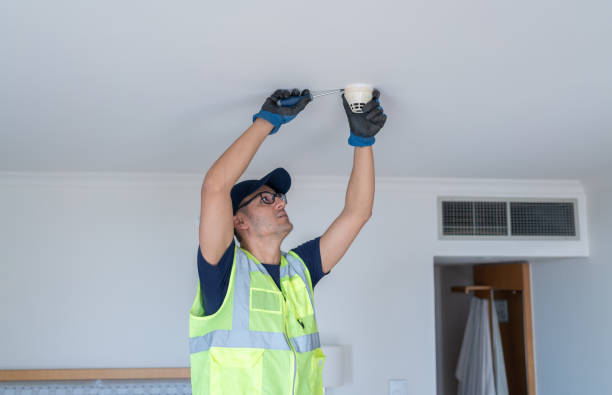
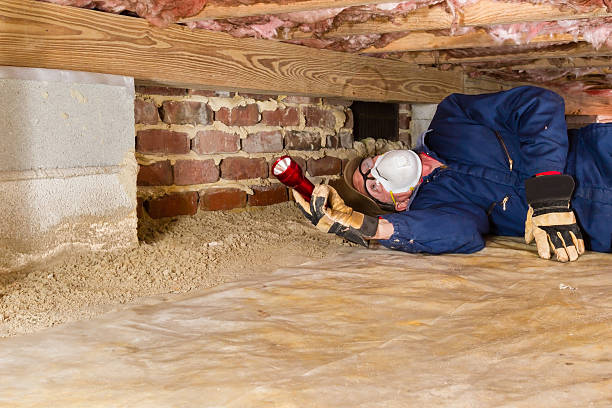
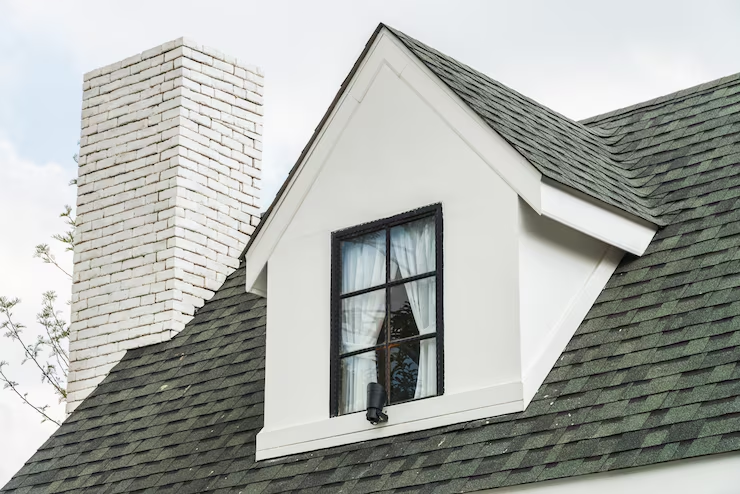
The roof is examined for wear, damage, or leaks. Foundations are inspected for cracks, movement, and signs of moisture intrusion. Electrical systems are evaluated for safety hazards, outdated components, and proper installation. Plumbing systems are checked for leaks, water pressure issues, and drainage concerns.
Heating and cooling systems are tested to ensure they operate safely and effectively, which is especially important in Lafayette’s hot and humid climate. Inspectors also assess interior elements such as walls, ceilings, floors, doors, windows, attic spaces, and exterior components. Knowing what do inspectors check helps buyers understand the scope of the evaluation.
Common Issues Found in Lafayette Homes
Due to local conditions, inspectors often identify similar issues across many Lafayette homes. Moisture-related concerns are among the most common findings. Signs of water intrusion are frequently discovered in attics, around foundations, or near poorly sealed openings.
Roof aging is another recurring issue, particularly in homes exposed to years of sun and storm activity. HVAC systems also tend to wear out faster in Louisiana’s climate, making system age and performance an important consideration.
Electrical and plumbing updates are often recommended in older homes, especially those built before modern safety standards were widely adopted. While these findings are common, they should still be evaluated carefully. Experienced residential home inspection lafayette professionals know what do inspectors check to identify hidden problems effectively.
What a Residential Home Inspection Does Not Include
Although inspections are thorough, they do have limitations. A standard residential inspection does not include specialized services such as mold testing, sewer line inspections, or termite certifications. These require separate evaluations by licensed specialists.
Inspectors also do not assess cosmetic concerns like paint colors or decorative finishes. Their role is to evaluate visible conditions related to safety, structure, and function. Inspections are based on the home’s condition at the time of the inspection and do not guarantee future performance. Understanding the home inspection process helps buyers set realistic expectations.
How Inspection Results Protect Buyers Financially
From a financial standpoint, a residential home inspection lafayette is a small upfront investment that can prevent major expenses later. Industry data shows that many buyers use inspection findings to renegotiate purchase terms, request repairs, or receive credits at closing.
For first-time buyers in Lafayette, this protection is especially important. Unexpected repairs can strain budgets and turn homeownership into a stressful experience. An inspection provides transparency and allows buyers to plan responsibly. Following the home inspection process correctly ensures all major issues are reported accurately.
The Importance of Local Inspection Experience
Homes in South Louisiana require an understanding of regional construction practices and environmental challenges. Inspectors familiar with Lafayette properties know how soil conditions, weather patterns, and local building methods affect homes over time.
Choosing experienced professionals, such as trusted residential home inspection lafayette providers who regularly inspect homes in the area, helps ensure findings are accurate and relevant. Local expertise adds credibility and confidence to the inspection process, especially in knowing what do inspectors check for local problem areas.
How Buyers Should Review an Inspection Report
Inspection reports can feel overwhelming, especially for first-time buyers. It is important to remember that no home is perfect, and most reports include a mix of minor maintenance items and more serious concerns.
Buyers should focus on safety hazards, structural issues, and major system defects. Reviewing the report with a real estate agent can help prioritize which findings matter most and determine the best course of action. Understanding the home inspection process aids in interpreting the report correctly.
What to Do After the Inspection
After reviewing the inspection report, buyers typically have several options. They may request repairs, ask for a price adjustment or credit, accept the home as-is, or walk away from the purchase if the contract allows.
The inspection contingency exists to protect buyers, giving them time to evaluate the home without pressure. Using this period wisely can prevent regret later. Knowledge of what do inspectors check allows buyers to ask informed questions and make confident decisions.
Conclusion
A residential home inspection lafayette is one of the most important steps a first-time buyer can take when purchasing a home in Lafayette. It provides clarity about a property’s condition and helps uncover issues that may not be visible during a showing. In a region where humidity, aging homes, and weather-related wear are common, professional insight before closing is critical.
Rather than focusing on perfection, an inspection helps buyers understand what they are purchasing and what responsibilities may come with ownership. When used correctly, inspection findings empower buyers to negotiate effectively, plan for future maintenance, and move forward with confidence. Working with knowledgeable professionals, including trusted residential home inspection lafayette services, ensures decisions are based on facts not assumptions.
Frequently Asked Questions (FAQ’s)
1.Is a home inspection required when buying a house in Lafayette?
A home inspection is not legally required, but it is strongly recommended. Most buyers choose to have one to identify potential safety concerns and costly repairs before closing.
2.How long does a residential home inspection take?
Most inspections take between two and four hours, depending on the size, age, and condition of the home. Larger or older homes may require additional time.
3.Should first-time buyers attend the home inspection?
Yes, attending the inspection is highly recommended. Being present allows buyers to ask questions, see issues firsthand, and better understand what do inspectors check.
4.What happens if major issues are found during the inspection?
If significant problems are identified, buyers can request repairs, negotiate a price adjustment, or walk away from the purchase if the contract allows. A real estate agent can help guide this process.
5.Does a home inspection guarantee there will be no future repairs?
No inspection can guarantee future performance. A residential home inspection lafayette provides a snapshot of the home’s condition at the time of the inspection, helping buyers make informed decisions. Following the home inspection process ensures all systems are evaluated properly.