Purchasing a home in Lafayette is an exciting milestone, but it is also one of the largest financial investments most people will make. Understanding Lafayette home inspection red flags is crucial for both buyers and agents to ensure a property is safe, structurally sound, and free from hidden defects that could lead to expensive repairs.
A professional inspection uncovers issues that are often invisible during a casual walkthrough. From attic mold Louisiana and electrical hazards LA to crawlspace issues, structural red flags, and moisture problems, being aware of these common problems allows buyers to make informed decisions, plan for repairs, and negotiate effectively.
Why Buyer Home Inspections Are Essential in Lafayette
Home inspections evaluate more than just a property’s appearance. They assess structural integrity, mechanical systems, safety, and maintenance needs. Lafayette’s humid climate, older housing stock, and unique soil conditions make inspections especially important.
Benefits of Home Inspections
- Detect Hidden Defects: Identify problems like mold, termites, or foundation cracks that are not visible to the naked eye.
- Financial Protection: Avoid unexpected repair costs by knowing the home’s true condition.
- Negotiation Advantage: Inspection reports can be used to request repairs or price adjustments.
- Safety Assurance: Detect hazards such as faulty wiring, mold, or structural weaknesses.
- Peace of Mind: Understand exactly what you’re buying before making a major financial commitment.
Unique Challenges in Lafayette Homes
Lafayette homes face specific environmental challenges that can affect their condition over time. Buyers and agents should be aware of these when considering a property.
Humidity and Moisture
High humidity levels in Lafayette can lead to:
- Mold growth in attics, crawlspaces, and basements
- Wood rot or warping
Peeling paint and damaged finishes
Termite and Pest Risks
Louisiana ranks high for termite prevalence. Termite damage often goes unnoticed until it becomes severe, making inspections critical.
Storm and Wind Exposure
Frequent hurricanes and storms can compromise roofs, siding, windows, and structural integrity. Even minor damage can worsen over time.
Soil and Foundation Concerns
Clay-rich soils can cause:
- Cracks in walls and flooring
- Uneven or sloping floors
- Misaligned doors and windows
Proper inspections help detect and address these issues early.
Most Common Red Flags in Lafayette Home Inspections
Professional inspections reveal issues that are often invisible during showings. Key red flags include:
Attic Mold Louisiana
Attics are prone to mold due to humidity, poor ventilation, and roof leaks. Mold can damage materials and affect indoor air quality.
Causes of Attic Mold
- Poor ventilation
- Roof leaks
- Condensation due to humidity
- Inadequate insulation
Signs to Watch
- Black or green spots on insulation or wood
- Musty odors
- Water stains near vents
Preventive Measures
- Improve ventilation and insulation
- Repair roof leaks promptly
- Use moisture barriers
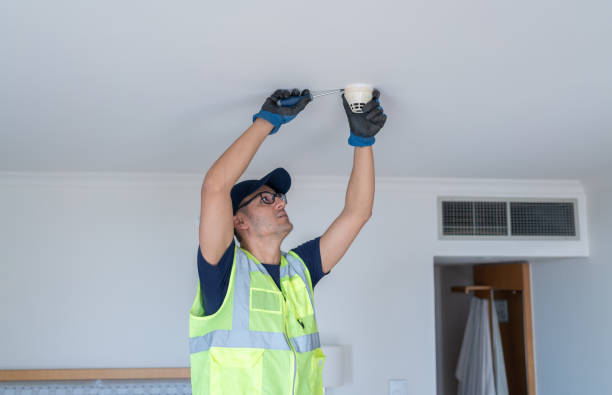
Electrical Hazards LA
Faulty wiring or outdated electrical systems are common in Lafayette homes and can be a serious safety risk.
Common Issues
- Exposed wiring
- Old fuse boxes
- Ungrounded or missing outlets
- Non-functioning GFCI outlets
Preventive Measures
- Upgrade old wiring and panels
- Install GFCI outlets in required areas
- Schedule regular electrical inspections
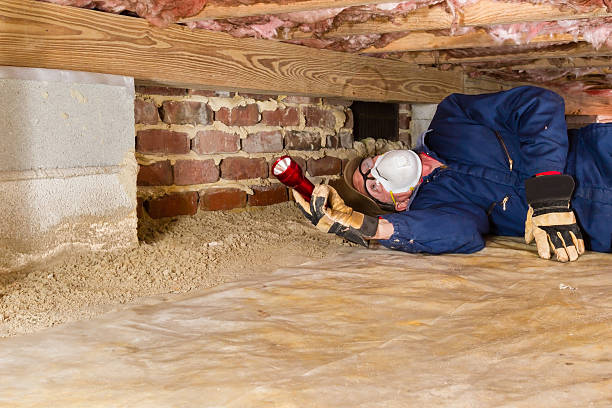
Crawlspace Issues
Crawlspaces are often neglected but can harbor moisture, pests, and structural problems.
Common Problems
- Standing water or damp soil
- Mold or mildew growth
- Termite infestations
- Foundation settlement
Preventive Measures
- Install vapor barriers
- Improve drainage
- Use dehumidifiers
- Treat pest infestations
Structural Red Flags
Structural issues impact the home’s safety and longevity. Inspectors often find problems in foundations, walls, or roofs.
Common Structural Issues
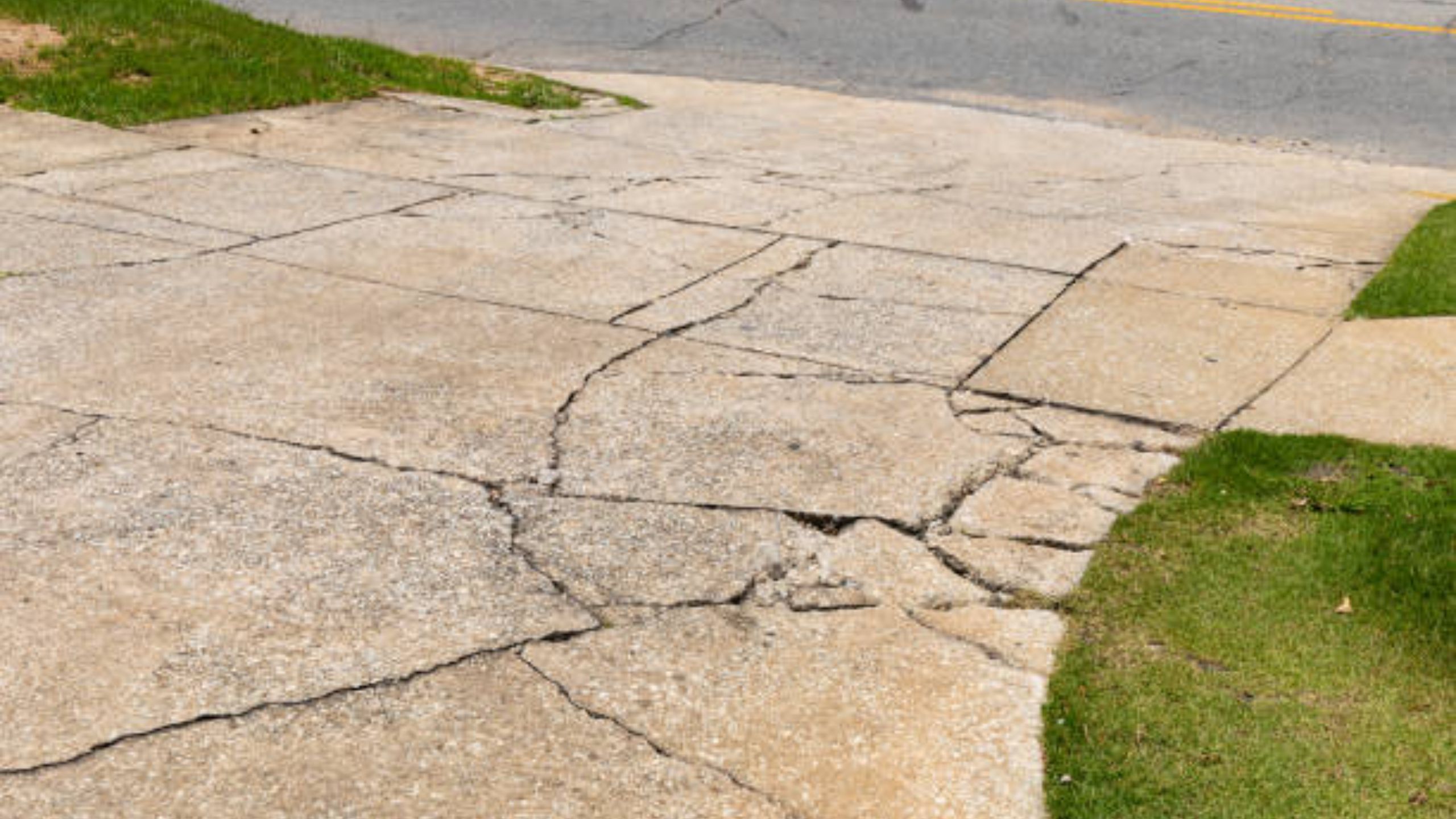
- Foundation cracks
- Sagging or uneven floors
- Bowed or leaning walls
Roof truss issues
Preventive Measures
- Hire a structural engineer for serious concerns
- Repair or reinforce foundations
- Check grading and drainage
Moisture Problems
Excess moisture can damage building materials and promote mold growth.
Signs of Moisture Problems
- Stains on ceilings, walls, or floors
- Warped or swollen floors
- Musty odors
- Efflorescence on foundation walls
Preventive Measures
- Repair leaks and gutters
- Improve ventilation
- Grade landscaping to direct water away
Other Common Red Flags
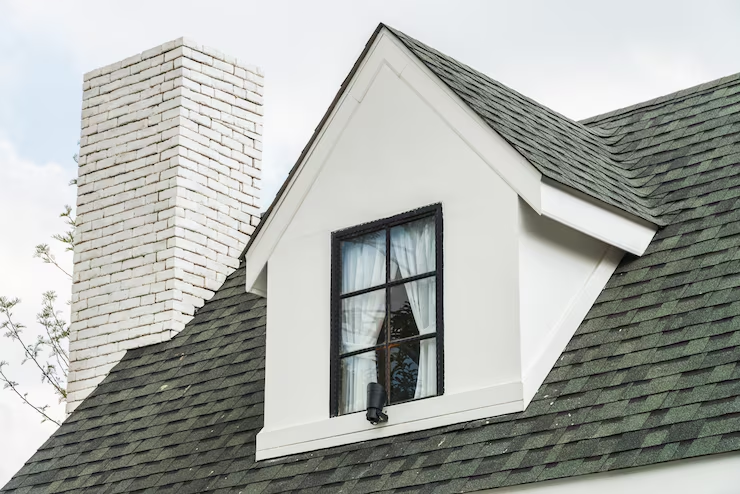
- Roof deterioration or leaks
- HVAC system problems
- Outdated plumbing or leaks
- Pest infestations
- Poor drainage or erosion
Professional House Inspection Lafayette LA
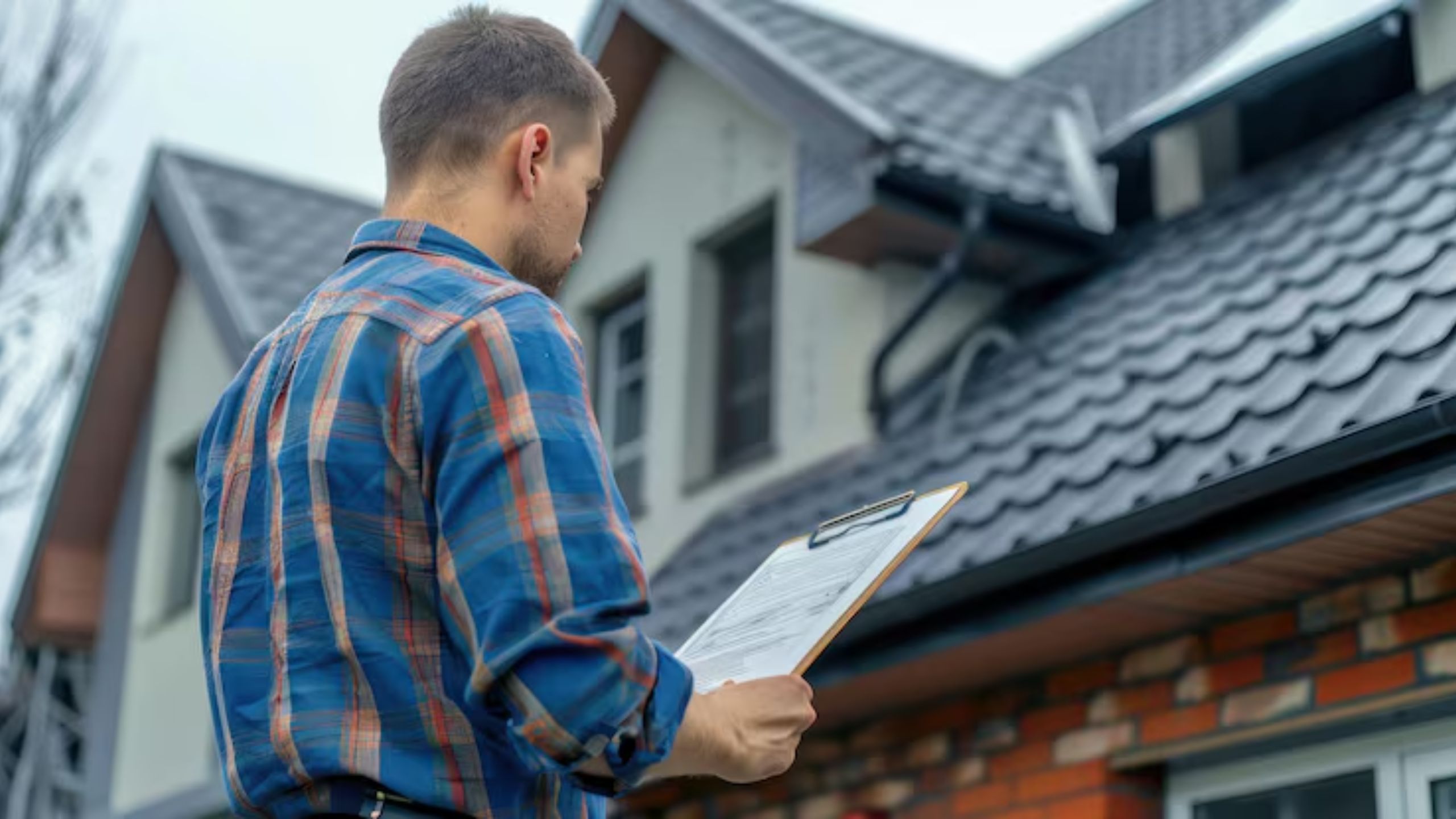
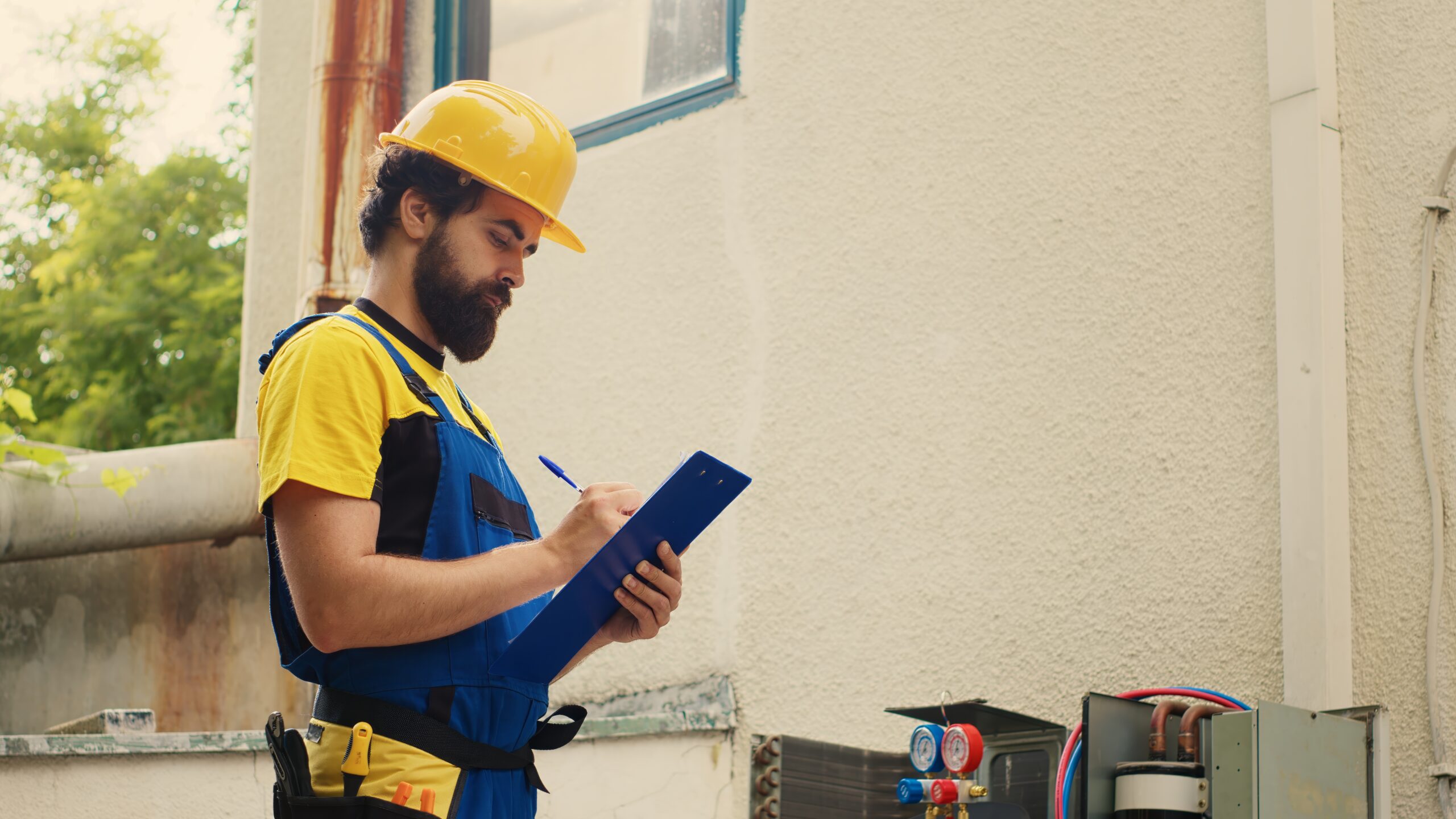
A professional house inspection Lafayette LA provides a comprehensive assessment of a property. Inspectors identify issues like attic mold Louisiana, electrical hazards LA, crawlspace issues, structural red flags, and moisture problems, offering buyers a clear understanding of a home’s condition.
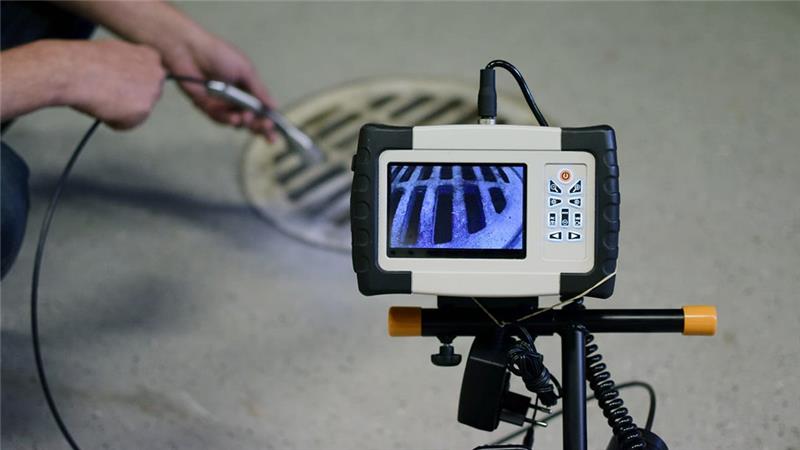
Inspectors use tools such as moisture meters, infrared cameras, and electrical testers to detect hidden problems. This ensures that buyers are fully aware of potential risks and can negotiate repairs or credits effectively.
Tips for Buyers During Home Inspections
- Attend the Inspection: Seeing issues firsthand helps buyers understand the scope.
- Use a Comprehensive Checklist: Include attic, crawlspace, foundation, roofing, and HVAC.
- Document Issues: Take notes and photos for repair negotiations.
- Request Specialist Evaluations: Structural engineers, electricians, or mold specialists may be needed.
- Negotiate Repairs or Credits: Use the inspection report to request repairs or price adjustments.
- Understand Local Conditions: Know the impact of Lafayette’s humidity, soil, and storms.
- Plan for Future Maintenance: Budget for repairs or preventive measures identified during the inspection.
The Role of Real Estate Agents
Agents help buyers navigate inspections by:
- Educating clients about Lafayette home inspection red flags
- Recommending specialists for critical issues
- Assisting with repair negotiations
- Providing insight into local construction and environmental factors
Experienced agents help buyers make informed and confident decisions.
Handling Each Major Red Flag
Attic Mold Louisiana
- Remediate mold with a licensed specialist
- Repair roof leaks and improve ventilation
- Enhance insulation and airflow
Electrical Hazards LA
- Consult licensed electricians
- Upgrade panels and wiring
- Install GFCI outlets
Crawlspace Issues
- Improve drainage and vapor barriers
- Use dehumidifiers
- Address pest infestations
Structural Red Flags
- Hire a structural engineer
- Reinforce foundations or trusses
- Ensure proper grading
Moisture Problems
- Identify and repair water sources
- Improve drainage and roofing
- Remediate mold and increase ventilation
Preventing Costly Mistakes
Skipping an inspection can result in:
- Unexpected repair bills
- Health risks from mold or poor air quality
- Structural failures
- Reduced resale value
Focusing on Lafayette home inspection red flags protects your investment and prevents long-term problems.
Conclusion
Understanding Lafayette home inspection red flags is critical for buyers and agents. Issues like attic mold Louisiana, electrical hazards LA, crawlspace issues, structural red flags, and moisture problems can significantly impact safety and property value.
A professional house inspection Lafayette LA ensures hidden defects are detected, provides negotiation leverage, and safeguards long-term investment. Attend inspections, ask questions, and collaborate with experienced agents to make confident and informed home-buying decisions.
Frequently Asked Questions (FAQs)
1. What are the most common red flags in Lafayette home inspections?
Common red flags include attic mold, electrical hazards, crawlspace issues, structural concerns, and moisture problems.
2. Why is a house inspection Lafayette LA important?
It identifies hidden defects, ensures safety, provides negotiation leverage, and protects your financial investment.
3. Can buyers negotiate repairs after an inspection?
Yes. Inspection reports provide evidence to request repairs, credits, or price reductions.
4. Should buyers attend the inspection?
Absolutely. Being present helps buyers understand issues firsthand and ask relevant questions.
5. How can real estate agents help with inspection red flags?
Agents educate buyers about common local issues, coordinate specialist evaluations, and assist with negotiating repairs or credits.