Hidden moisture is one of the most common problems homeowners face. Water can get behind walls, under floors, above ceilings, and inside other parts of a home without being noticed for a long time. By the time you see water stains, smell musty odors, or find mold, the damage may already be serious and expensive to repair.
Today, inspection tools make it much easier to find hidden moisture before it causes major problems. One of the most useful tools is infrared thermal imaging. This technology helps inspectors spot temperature changes that may point to moisture hidden inside the home without having to cut into walls or damage property.
At Select Inspection, a thermal imaging home inspection is often included as part of a detailed property evaluation to help find hidden moisture issues that may not be visible during a standard inspection. Understanding how this technology works can help homeowners, buyers, and sellers better protect their property and avoid costly repairs.
What Is Infrared Thermal Imaging?
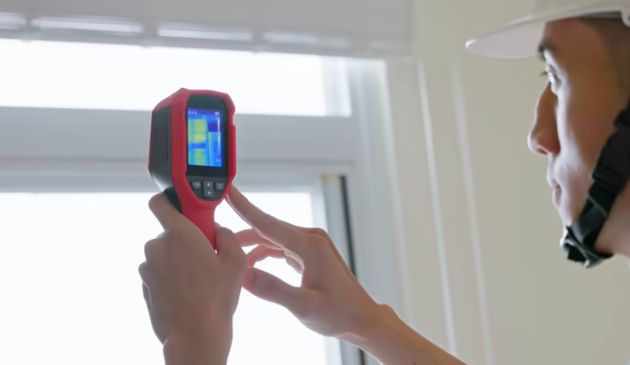
Infrared thermal imaging is a tool that uses special cameras to show temperature differences on surfaces. Every object gives off heat, and thermal cameras can detect that heat and turn it into images that show warmer and cooler areas.
Unlike regular cameras that capture what we can see, infrared cameras detect heat. This helps inspectors find spots that are hotter or colder than the surrounding areas.
When moisture gets inside walls, ceilings, floors, or other building materials, it can change their temperature. Wet areas often stay cooler than dry areas. These temperature changes can be seen with a thermal camera.
By looking at these heat patterns, inspectors can find areas that may have hidden moisture and need a closer inspection.
Why Hidden Moisture Is a Serious Concern
Moisture problems often start slowly and stay hidden for a long time. A small leak may not seem like a big issue at first, but over time, water can cause serious damage throughout a property.
Roof leaks are one of the most common causes of hidden moisture. Water can move through insulation or building materials before any signs appear inside the home. Plumbing leaks can also stay hidden behind walls or under floors for a long time without being noticed.
Old or damaged seals around windows and doors can let water enter during heavy rain. Cracks in the foundation and poor drainage can allow moisture to build up in basements and crawl spaces. Heating and cooling systems may also create condensation, which can lead to damp areas in hidden spaces.
If moisture is not found and fixed, it can cause wood to rot, damage insulation, weaken parts of the structure, and create conditions for mold growth. It can also affect indoor air quality and lead to more expensive repairs later.
Finding moisture problems early can help prevent bigger issues and reduce repair costs.
How Infrared Thermal Imaging Detects Moisture
Infrared thermal imaging cannot see water directly. Instead, it helps inspectors find temperature changes that may be caused by moisture.
When water gets into building materials, it affects how those materials hold and release heat. Wet areas are often cooler than dry areas, making them easier to spot with a thermal camera.
During an inspection, the inspector scans walls, ceilings, floors, and other accessible areas with a thermal imaging camera. The camera creates images that show different temperatures through color variations.
These temperature differences can point to areas that need further investigation. For example, a cooler area on a ceiling may suggest a roof leak, while unusual temperature patterns near plumbing fixtures could indicate a hidden pipe leak.
However, thermal imaging is only one part of the inspection process. Temperature changes can also be caused by missing insulation, air leaks, or electrical equipment.
That is why inspectors use moisture meters and other tools to confirm whether moisture is actually present before making conclusions.
The Inspection Process
A thermal imaging inspection starts with a careful visual check of the property. Inspectors look for signs of leaks, water stains, damage, and other clues that may point to hidden moisture.
Next, a thermal imaging camera is used to scan different areas of the property. Walls, ceilings, floors, and other building surfaces are checked for unusual temperature patterns that could indicate moisture problems.
If the camera detects an area that looks suspicious, inspectors use moisture meters and other tools to see if moisture is actually present.
Using both thermal imaging and moisture testing helps provide more reliable results and reduces the chance of mistakes.
After the inspection is complete, the inspector provides a report that includes thermal images, findings, and recommendations for any areas that may need repairs or further inspection.
Areas Where Inspectors Commonly Use Thermal Imaging
Infrared thermal imaging can be useful in many areas of a home where moisture problems are common.
Walls and ceilings are some of the most frequently inspected areas. Hidden plumbing leaks, roof leaks, and water coming in from outside can affect these surfaces. Thermal imaging helps inspectors find signs of moisture that may not be visible during a normal inspection.
Floors can also be checked with thermal imaging. Leaks under hardwood, laminate, tile, or carpet may show up as temperature changes on the surface, helping inspectors locate possible problem areas.
Basements and crawl spaces are often affected by moisture from foundation leaks, poor drainage, or high humidity. Thermal imaging helps inspectors spot areas that may need further inspection.
Windows and doors are other common places where water can enter a home. Worn-out seals and rainwater intrusion can cause hidden damage around these openings. Thermal imaging helps inspectors find these issues before they lead to more serious damage.
Benefits of Infrared Thermal Imaging for Homeowners
One of the biggest benefits of infrared thermal imaging is that it can find problems early. Hidden moisture can cause serious damage before any visible signs appear. Finding these issues sooner often means repairs are easier and cost less.
This technology is also non-invasive, which means inspectors do not need to cut into walls or remove flooring to look for moisture. Thermal imaging helps inspectors check for possible problems without causing damage to the property.
Another benefit is that it helps homeowners plan maintenance and repairs. It gives a better understanding of the home’s condition and helps identify areas that may need attention. Fixing moisture issues early can help protect building materials and prevent more expensive repairs in the future.
Thermal imaging can also provide peace of mind. Knowing that hidden areas of the home have been checked can help homeowners feel more confident that moisture problems are less likely to go unnoticed.
Infrared Thermal Imaging During Real Estate Transactions
Buying a home can be stressful because some problems are not easy to see. Hidden moisture can lead to costly repairs after the purchase is complete.
Infrared thermal imaging gives buyers a better look at the condition of a property. Finding moisture problems before buying helps people make better decisions and discuss repairs with the seller if needed.
Sellers can also benefit from a thermal imaging inspection. Finding and fixing moisture issues before putting a home on the market can help avoid delays and problems during the sale. It can also make buyers feel more confident about the property.
Real estate agents and other professionals value detailed inspections because they help uncover hidden issues early. When moisture problems are found before a sale, everyone involved has a better understanding of the home’s condition, making the process smoother and easier.
Limitations of Infrared Thermal Imaging
While thermal imaging is a useful inspection tool, it does have some limits.
Thermal cameras do not detect water directly. They only show temperature differences on surfaces. A cooler area in a thermal image does not always mean there is moisture present. Inspectors need to perform additional testing to confirm the cause of the temperature change.
Results can also be affected by weather and indoor conditions. Outdoor temperatures, sunlight, heating and cooling systems, and humidity levels can all influence thermal images.
The accuracy of thermal imaging depends on the inspector’s training and experience. Inspectors must understand how buildings work and how to correctly read thermal patterns.
Because of this, thermal imaging should be used as part of a complete inspection rather than as the only method for finding moisture problems.
Choosing a Qualified Inspector for Thermal Imaging Services
The accuracy of a thermal imaging inspection depends on the skill and experience of the inspector.
Inspectors should be trained to use infrared cameras and know how to recognize signs of moisture problems. They also need to understand how different building materials and weather conditions can affect the results.
A good inspector will use other tools to confirm what the thermal camera shows. Moisture meters, humidity checks, and a visual inspection help provide a clearer picture of the issue.
At Select Inspection, we combine advanced technology with hands-on inspection experience. This helps us identify potential problems more accurately and verify our findings.
Clear reports are also important. Detailed inspection reports help homeowners understand where the issue is located, how serious it may be, and what steps may be needed next.
Preventing Moisture Problems After Inspection
Once moisture concerns have been identified, ongoing maintenance plays an important role in preventing future problems.
Regular roof inspections can help identify damaged shingles, flashing issues, and other vulnerabilities before leaks develop. Keeping gutters and downspouts clean promotes proper drainage and reduces the risk of water intrusion.
Plumbing systems should be inspected periodically for signs of leaks or deterioration. Small issues addressed early are often far less expensive than major repairs resulting from prolonged water exposure.
Managing indoor humidity is equally important. Proper ventilation in kitchens, bathrooms, and laundry areas can help reduce excess moisture. HVAC systems should be maintained regularly to ensure efficient operation and moisture control.
Property owners who respond quickly to leaks and water-related concerns can significantly reduce the likelihood of extensive damage.
Conclusion
Infrared thermal imaging is a helpful tool used during property inspections. It helps inspectors find temperature changes that may point to hidden moisture problems before they turn into expensive repairs.
While thermal imaging cannot see water directly, it can show areas that may have moisture and need further inspection. When combined with moisture meters, visual inspections, and professional experience, it becomes an effective way to locate hidden moisture issues.
At Select Inspection, we use advanced inspection methods to help property owners understand what may be happening behind walls, ceilings, and floors. Finding moisture problems early can help protect your home, prevent damage, and save money on future repairs.
If you are concerned about hidden moisture or want a thorough property inspection, contact Select Inspection today to schedule an appointment and learn more about our inspection services.
Frequently Asked Questions
1.Can infrared thermal imaging see water behind walls?
Thermal imaging identifies temperature differences that may indicate moisture behind walls, but additional testing is needed to confirm the presence of water.
2. Is thermal imaging accurate for moisture detection?
When used by trained inspectors and combined with moisture verification tools, thermal imaging is highly effective in locating potential moisture issues.
3. Does thermal imaging damage walls or flooring?
No. Infrared thermal imaging is a non-invasive inspection method that does not require removing building materials.
4. Can thermal imaging detect mold?
Thermal imaging cannot identify mold directly, but it can help locate moisture conditions that may contribute to mold growth.
5. When should homeowners schedule a thermal imaging inspection?
Thermal imaging inspections are useful after water leaks, during home purchases, before selling a property, or whenever hidden moisture is suspected.