
Buying a home is a major decision, and a professional inspection can help you understand what you are actually purchasing. A home inspection walkthrough gives buyers an opportunity to learn about the property’s condition, understand potential concerns, and ask questions before moving toward closing.
For many buyers, the inspection can seem intimidating because they may not know what the inspector will do or what they should expect. The process is more than simply walking from room to room. A professional inspector systematically evaluates accessible areas and major systems, documents findings, and explains important concerns.
For buyers in Lafayette, Louisiana, local conditions can also make certain inspection areas especially important. Humidity, moisture, drainage, termites, roofing concerns, and HVAC performance can all affect a property over time.
Understanding the inspection walkthrough before the appointment can help you prepare, participate, and make better decisions after receiving the report.
What Happens Before the Home Inspection?
The home inspection process usually begins after your offer has been accepted and the property is under contract. At this stage, buyers should schedule the inspection as soon as possible so there is enough time to review the findings and make decisions within the applicable inspection or due diligence period.
Schedule the Inspection
Your first step is choosing a qualified home inspector and scheduling an appointment. The inspection date should give you enough time to receive and review the report before important contract deadlines.
When scheduling, ask what is included in the inspection and whether additional services may be appropriate for the property. Depending on the home, buyers may consider services such as mold testing, termite inspections, pool inspections, or a sewer scope.
Prepare Your Questions
Before the inspection, think about anything that concerns you about the property. You may have noticed an unusual stain on the ceiling, an older air-conditioning system, cracks around windows, drainage concerns, or signs of moisture.
Write these concerns down and bring them to the inspection. Your questions can help the inspector focus on areas that matter to you while explaining what can be observed during the inspection.
Make Sure the Property Is Accessible
The inspector needs access to the areas and systems included within the inspection scope. Utilities should generally be available so systems such as plumbing, electrical components, heating, cooling, and appliances can be evaluated where appropriate.
The inspector can only evaluate accessible areas. Locked rooms, blocked equipment, or inaccessible spaces may limit what can be inspected and reported.
What Happens During the Home Inspection Walkthrough?
The actual home inspection walkthrough is a systematic evaluation of the property. The inspector works through accessible areas rather than simply looking for obvious cosmetic problems.
Select Inspections describes its buyer inspection as a detailed evaluation that includes structural components, electrical systems, plumbing, and other major areas of the home.
The Exterior Is Evaluated
The inspection typically begins with or includes an examination of the exterior. The inspector looks at visible components such as siding, doors, windows, grading, drainage, exterior structures, and other accessible areas.
The roof is also an important part of the evaluation. The inspector looks for visible signs of damage, deterioration, improper installation, or conditions that could contribute to water intrusion.
For Lafayette-area homes, drainage and moisture deserve particular attention because local weather and humidity can contribute to property problems over time.
The Roof and Attic Are Checked
The roof protects the entire property, so its condition can have a significant effect on future maintenance costs. The inspector evaluates accessible roofing components and looks for visible concerns.
When accessible, the attic can also provide important information about insulation, ventilation, moisture, roof framing, and signs of water intrusion.
A property walkthrough helps buyers understand that some important defects may not be obvious from the living areas of the home.
The Foundation and Structure Are Evaluated
The inspector examines visible and accessible structural components for conditions that may require attention. This can include the foundation, framing, floors, walls, ceilings, and other structural elements within the inspection scope.
In Lafayette, foundation conditions can be particularly relevant because local soil and moisture conditions may contribute to movement or drainage-related concerns. The goal is not to make assumptions about a property’s structural condition but to document visible conditions that may warrant attention or further evaluation.
Plumbing Systems Are Tested
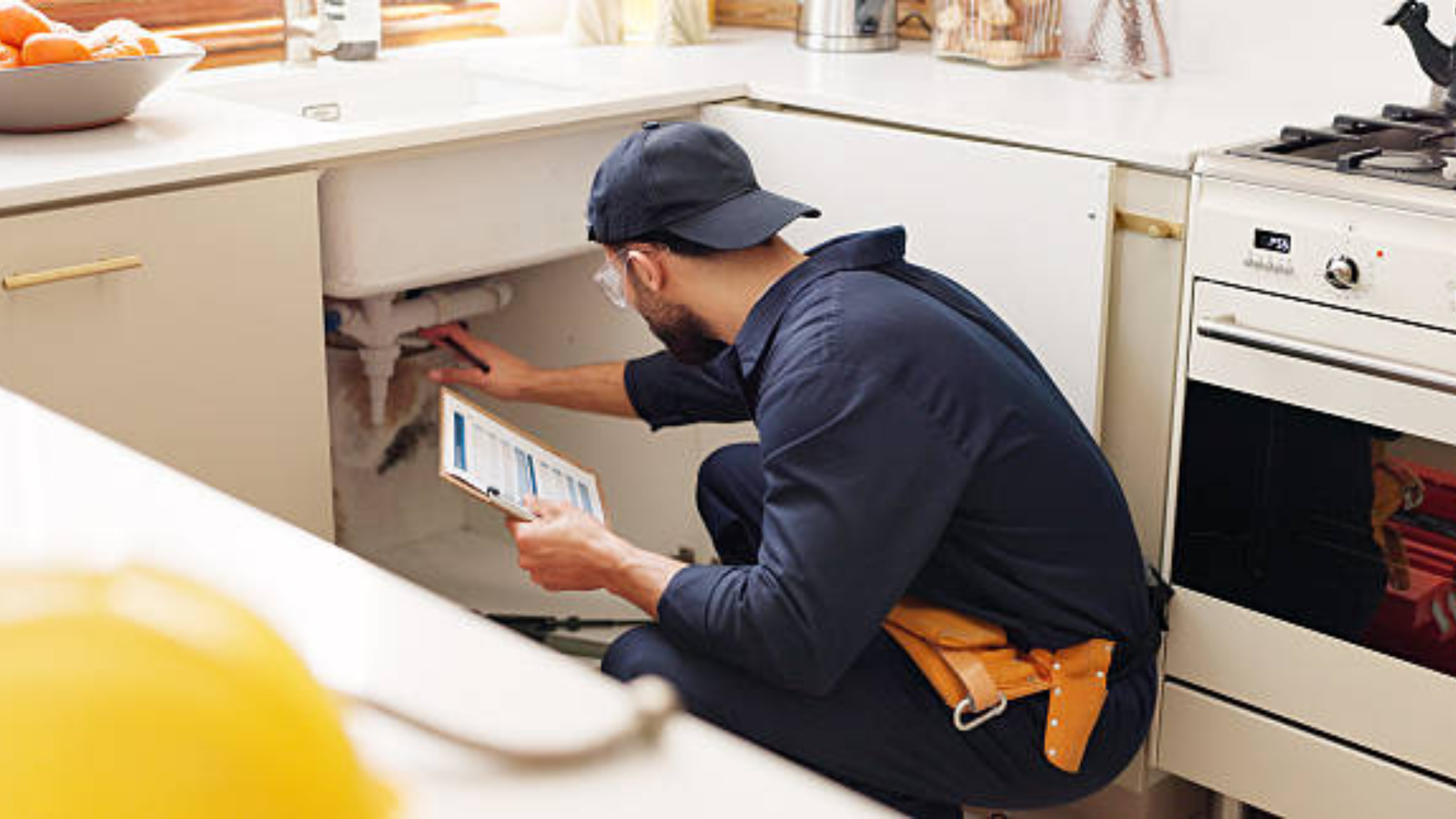
During the inspector walkthrough, plumbing fixtures and visible plumbing components are evaluated within the inspection scope. The inspector may operate faucets, examine accessible pipes, check drainage, and look for visible leaks or other concerns.
Buyers can learn where important shutoff valves are located and whether the inspector observes conditions that may require further investigation.
Older homes may also have aging plumbing materials, restricted flow, leaks, or drainage concerns. Understanding these issues before closing can help buyers plan for repairs and maintenance.
Electrical Systems Are Reviewed
Electrical safety is another important part of the inspection. The inspector evaluates accessible electrical components, including the service panel, visible wiring, outlets, switches, and safety features within the inspection scope.
The inspection can identify visible conditions such as damaged components, improper installations, or missing safety protections. These findings do not necessarily mean the entire electrical system needs replacement, but some conditions may require correction or evaluation by a qualified electrician.
HVAC Systems Are Evaluated
Heating and cooling systems are especially important for homeowners in Louisiana. During the home inspection process, the inspector evaluates the HVAC system’s visible condition and operation when conditions allow.
The inspector may assess cooling or heating performance, examine accessible components, and identify visible signs of wear or maintenance concerns.
Knowing the approximate age and condition of the HVAC system can also help buyers plan for future replacement or repair costs.
Interior Areas Are Inspected
Inside the home, the inspector evaluates accessible rooms and components. This can include walls, ceilings, floors, windows, doors, stairs, cabinets, fixtures, and other visible elements.
The inspector may also operate certain appliances and plumbing fixtures that are included within the inspection scope.
The purpose is not to judge the home’s appearance. Cosmetic preferences are different from conditions that may affect safety, function, durability, or maintenance.
Should Buyers Attend the Inspection?
Yes, attending can be valuable for home buyers. You do not necessarily need to follow the inspector throughout every minute of the inspection, but being present for the summary walkthrough can help you understand important findings.
Select Inspections specifically describes a walkthrough at the end of its first-time buyer inspection where clients can learn about home maintenance, filters, shutoff locations, and system operation.
During the walkthrough, you can ask questions such as:
- What are the most important issues you found?
- Which findings need attention soon?
- Which items are routine maintenance?
- Are there signs of moisture or water intrusion?
- How old are the major systems?
- Are any issues worth getting evaluated by a specialist?
- What should I monitor after moving into the home?
The purpose of these questions is to understand the property’s condition rather than to expect the inspector to predict every future repair.
What Happens After the Inspection?
The inspection does not end when the inspector leaves the property. The next step is reviewing the inspection report.
Review the Inspection Report
The report provides written documentation of the inspector’s findings. Select Inspections states that its buyer inspections include a digital report with findings and photographs, helping buyers understand the property’s condition.
Read the report carefully rather than focusing only on the number of findings. Most homes have maintenance items or defects, and not every observation has the same level of importance.
Pay particular attention to conditions involving safety, structural concerns, water intrusion, major systems, or issues that could result in significant future expenses.
Ask Follow-Up Questions
If something in the report is unclear, ask the inspector for clarification. A professional inspector walkthrough should help you understand what was observed and why it matters.
You may also need a specialist for certain concerns. For example, an electrician, plumber, roofer, structural professional, or HVAC contractor may be appropriate for further evaluation depending on the finding.
Discuss Findings With Your Real Estate Agent
Once you understand the report, discuss the findings with your real estate agent. Depending on your purchase agreement and local transaction requirements, you may have options related to repairs, credits, price adjustments, or other negotiations.
The inspection report gives you information that can support those discussions. It does not automatically mean the seller must correct every issue.
What Buyers Should Remember About the Walkthrough
A home inspection walkthrough is an educational part of the home-buying process. It gives you an opportunity to understand the property beyond its appearance during a showing.
The inspection can reveal visible concerns involving the roof, structure, plumbing, electrical systems, HVAC, drainage, moisture, and other accessible components. It can also help you learn how the home’s major systems work and what maintenance may be needed.
Most importantly, an inspection should help replace uncertainty with useful information. You can use that information to decide whether the property fits your expectations, budget, and long-term plans.
Conclusion
A home inspection walkthrough gives buyers valuable insight into a property’s condition before they complete the purchase. From scheduling the inspection and preparing questions to reviewing the report and discussing findings, each stage helps you make a more informed decision.
For Lafayette home buyers, understanding local concerns such as moisture, drainage, HVAC performance, roofing, and termite-conducive conditions can make the inspection even more valuable.
If you are preparing to buy a home in Lafayette, LA, get in touch with Select Inspections to schedule a professional inspection and better understand the property before closing.
Frequently Asked Questions
1. What is a home inspection walkthrough?
A home inspection walkthrough is the process of reviewing a property’s accessible systems and components with a professional inspector. It may include a summary discussion where the inspector explains important findings and answers buyer questions.
2. Should I attend my home inspection?
Yes. Attending allows you to see the property through the inspector’s perspective and ask questions about maintenance, defects, and major systems.
3. How long does a home inspection take?
Inspection times vary based on the home’s size, age, condition, and inspection scope. Select Inspections notes that many home inspections in Lafayette take approximately two to four hours.
4. What should I ask during the inspection?
Ask about major defects, safety concerns, moisture, drainage, HVAC condition, plumbing, electrical systems, and maintenance requirements. You can also ask the inspector to explain anything you do not understand.
5. What happens after the inspection?
After the inspection, you receive and review the inspection report. You can then ask follow-up questions, discuss findings with your real estate agent, and determine whether further evaluations or negotiations are appropriate.