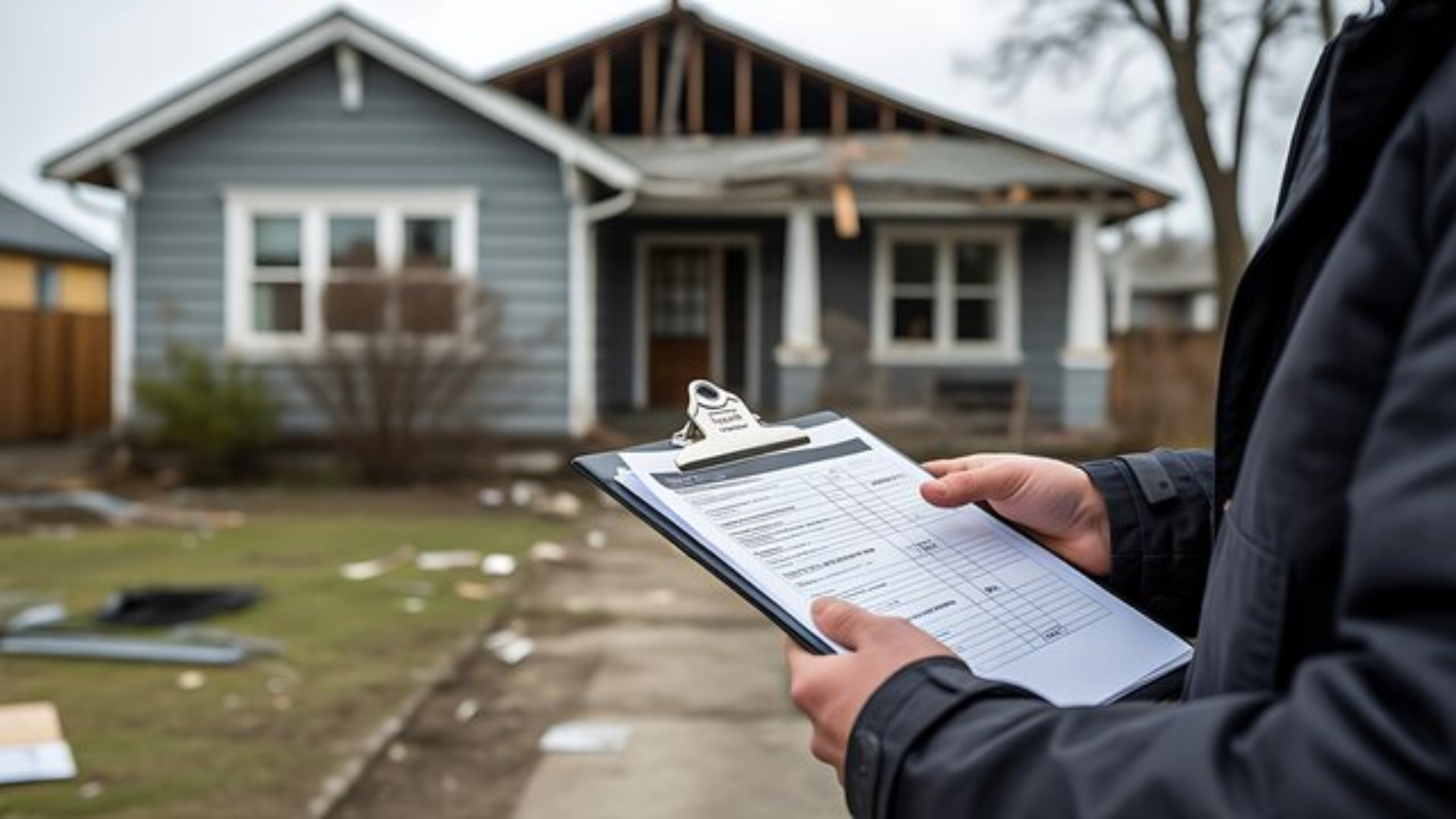

Buying a home is a major investment, and a property can look well-maintained while still having conditions that are difficult to notice during a normal walkthrough. A professional home inspection helps buyers understand the condition of accessible systems and components before completing the purchase.
For Lafayette buyers, local weather and construction conditions can influence the types of concerns found during an inspection. Heavy rainfall, high humidity, seasonal temperature changes, and the area’s soil conditions can affect roofs, drainage, foundations, HVAC systems, and other parts of a home.
Understanding the common home inspection issues found in Lafayette can help buyers read their inspection reports more confidently. Not every finding means a home is unsafe or requires an immediate repair. The importance of a finding depends on its condition, location, age, and potential impact on the property.
Roof Wear and Exterior Problems
Roofing concerns are among the common home inspection issues buyers may encounter. Lafayette homes are exposed to strong sunlight, heavy rain, humidity, and occasional severe weather. Over time, these conditions can contribute to roof material deterioration.
An inspection may identify damaged or missing shingles, worn roofing materials, deteriorated flashing, exposed areas, or signs of previous water intrusion. Gutters and downspouts may also receive attention because they play an important role in directing water away from the structure.
A roof finding does not automatically mean that the entire roof needs replacement. The inspector can document the visible condition and recommend further evaluation when a problem appears to require specialized assessment.
For buyers, understanding the age and observable condition of the roof can also help with future maintenance planning.
Foundation and Structural Concerns
Foundation and structural conditions deserve careful attention because they can affect the stability and long-term performance of a home.
Lafayette’s soil conditions can contribute to movement as moisture levels change. During an inspection, visible cracks, uneven floors, wall movement, sticking doors, and other indicators may be documented when they are present. Inspectors distinguish between conditions that may be consistent with normal settling and findings that could warrant additional evaluation.
Some cracks are minor and may simply require monitoring. Others may justify evaluation by a qualified structural professional.
Buyers should avoid assuming that every foundation crack represents a major structural defect. Instead, the inspection report should be reviewed carefully to understand the location, appearance, and significance of the observed condition.
Plumbing Leaks and Aging Components
Plumbing problems are another group of common house problems that can appear during a residential inspection.
Inspectors typically examine accessible supply lines, drain lines, fixtures, water heaters, and visible plumbing components. Findings can include leaking faucets, slow drainage, damaged connections, corrosion, water stains, or older plumbing materials.
Older homes may contain plumbing systems or materials that reflect construction practices from previous decades. Renovations can also result in different plumbing materials being present in the same property.
A water heater may also show signs of age or deterioration. Even when it is currently operating, buyers should understand its condition and expected maintenance needs.
Small plumbing findings may be straightforward to correct, while active leaks or significant deterioration deserve greater attention because continued water exposure can damage surrounding materials.
Electrical System Deficiencies
Electrical concerns are important residential inspection findings because some conditions can create safety risks.
During an inspection, accessible electrical panels, wiring, outlets, switches, and safety devices are evaluated. A report may identify issues such as ungrounded outlets, improper wiring, double-tapped breakers, missing GFCI protection where appropriate, or other visible deficiencies.
Older Lafayette homes may have electrical components that were installed under standards that differ from current practices. This does not necessarily mean the entire electrical system needs replacement.
However, conditions involving exposed wiring, improper connections, overloaded components, or other safety concerns should receive appropriate attention. When an inspection identifies a condition that requires specialized work, buyers may be advised to consult a licensed electrician.
Understanding which electrical findings are routine maintenance items and which require prompt correction can make the inspection report much easier to prioritize.
HVAC Performance and Equipment Age
Heating and cooling systems are especially important in Lafayette because air conditioning systems can operate extensively during long, hot, humid seasons.
An inspection may document the age and observable condition of HVAC equipment, thermostat operation, accessible ductwork, condensate components, filters, and other visible parts of the system. Inspectors may also identify conditions that affect performance or indicate that additional evaluation is appropriate.
An HVAC system that turns on is not necessarily a system that is operating efficiently or has many years of service remaining. Buyers should consider both current performance and equipment age when reviewing the report.
If the inspection identifies concerns beyond the scope of a visual inspection, an HVAC professional can provide a more detailed assessment.
Moisture Intrusion and Water Damage
Moisture is an important consideration for Lafayette homeowners. High humidity and frequent rainfall can contribute to moisture-related conditions when drainage, ventilation, roofing, or other parts of the building envelope are not performing properly.
Inspectors may find water stains on ceilings or walls, signs of previous leaks, deteriorated materials, musty conditions, or visible moisture-related damage.
Moisture findings should be considered carefully because the source is often more important than the visible stain itself. A stain may be from an old leak that has already been corrected, or it may indicate an active problem.
When the source of moisture is unclear, further evaluation can help determine whether repairs are necessary.
Drainage and Grading Problems
Water management around the property is another area buyers should pay attention to. Lafayette’s relatively flat terrain and heavy rainfall make effective drainage important for many homes.
Poor grading can allow water to collect near the foundation instead of moving away from the structure. Inspectors may document areas where the ground does not appear to provide adequate drainage, along with concerns involving gutters, downspouts, or other visible drainage components.
Drainage problems can contribute to moisture intrusion and may increase the risk of foundation-related concerns over time.
Buyers should consider how water moves around the property, particularly after significant rainfall. Correcting a drainage concern early can help prevent more extensive damage later.
Attic, Insulation, and Ventilation Concerns
The attic can reveal conditions that are not visible from the living areas of a home.
When accessible, inspectors may evaluate insulation, ventilation, roof framing, visible roof decking, and signs of moisture or deterioration. In Lafayette’s humid climate, inadequate ventilation or moisture control can contribute to problems within attic spaces.
Common findings may include insufficient insulation, blocked or inadequate ventilation, staining, damaged wood, or evidence of previous moisture intrusion.
Not every attic finding requires immediate repair. The report should explain the observed condition and whether further evaluation is recommended.
Pest-Related and Wood-Damaging Conditions
Pest-related concerns can also appear during an inspection, particularly in areas where moisture creates favorable conditions for wood-damaging organisms.
Inspectors may document visible evidence of damage, deteriorated wood, or conditions that could contribute to pest activity. Crawlspaces, attic areas, and locations with moisture exposure can deserve particular attention.
A standard home inspection is not necessarily a substitute for a specialized pest inspection. If visible evidence suggests a possible infestation or significant damage, a qualified pest professional may be recommended for additional evaluation.
How Buyers Should Prioritize Inspection Findings
Finding several issues in an inspection report does not automatically mean the buyer should walk away from the property. Most homes have some maintenance needs, especially older properties.
The most useful approach is to separate findings by urgency and potential impact.
Safety concerns, active water intrusion, significant structural conditions, major electrical deficiencies, and non-functioning essential systems generally deserve more immediate attention. Minor maintenance items, cosmetic concerns, and normal wear may be handled over time.
Buyers should also consider the age and expected remaining life of major components. A roof, HVAC system, water heater, or other component may still be functioning while approaching the end of its typical service life.
When an inspection identifies a condition outside the inspector’s scope, buyers should consider obtaining an evaluation from the appropriate qualified professional before making major decisions.
What Should Buyers Do After Finding Problems?
The inspection report is a decision-making tool, not simply a list of repairs.
Start by reviewing the findings and identifying conditions that could affect safety, structural performance, water management, or major systems. Ask questions about findings you do not understand, and discuss appropriate next steps with your real estate professional.
If a specialist evaluation is recommended, schedule it before making assumptions about repair costs or the seriousness of the condition.
Buyers can then use the information to make an informed decision about repairs, negotiations, future maintenance, or whether the property remains the right choice.
Conclusion
Knowing the common home inspection issues found in Lafayette helps buyers approach the inspection report with realistic expectations. Roof wear, foundation concerns, plumbing deficiencies, electrical problems, HVAC conditions, moisture, drainage, attic issues, and pest-related conditions can all appear in residential inspection findings.
The goal is not to find a perfect house. The goal is to understand the property’s current condition, recognize significant concerns, and make decisions based on reliable information.
If you are buying a home in Lafayette, LA, Select Inspections can help you better understand the observable condition of the property before you move forward. Get in touch with Select Inspections to schedule your home inspection and make a more informed decision about your investment.