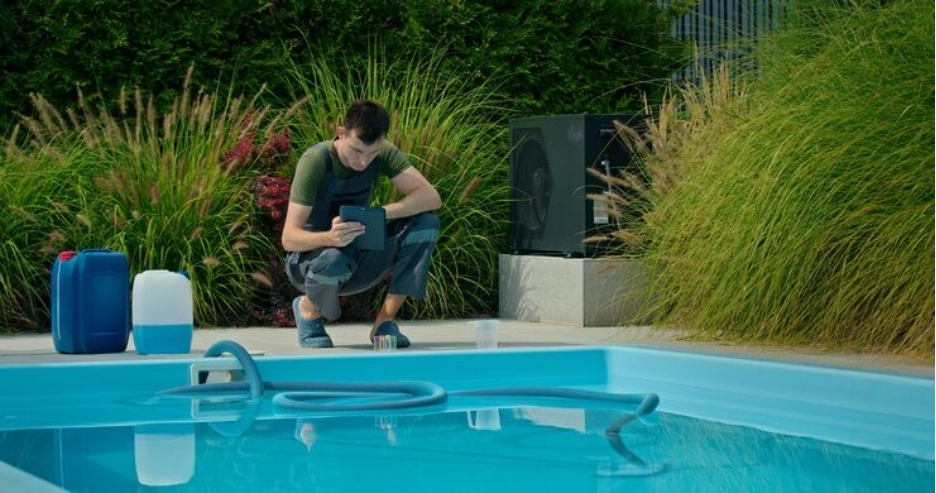
Buying a home with a swimming pool can involve additional responsibilities beyond evaluating the house itself. While a pool may be an attractive feature, it also includes equipment, safety barriers, surrounding surfaces, and drainage components that require regular maintenance. For home buyers in Lafayette, Louisiana, understanding these areas before closing can help prevent unexpected repair expenses and safety concerns.
A professional pool home inspection provides an opportunity to evaluate visible pool-related components and identify conditions that may require attention. Inspectors examine accessible equipment, surrounding surfaces, safety barriers, and other visible features to help buyers understand the property’s condition.
Pools also introduce considerations that are not typically associated with homes without swimming facilities. Problems with pumps, filters, electrical components, or pool barriers may affect the property’s usability and safety. Understanding these conditions before purchasing can help buyers make informed decisions about maintenance, repairs, and future ownership costs.
Why Pool Inspections Matter When Buying a Home
A swimming pool is a separate property feature with its own maintenance and safety requirements. Even when the water appears clean and the surrounding area looks well maintained, certain components may have visible defects or signs of deterioration.
During a swimming pool inspection, accessible equipment and surrounding features are examined for conditions that could affect their operation or general safety. A damaged pump, deteriorated pool surface, loose barrier gate, or exposed electrical component may indicate a need for repair or further evaluation.
In Lafayette, pools are exposed to high temperatures, humidity, heavy rainfall, and seasonal storms. These environmental conditions can contribute to equipment wear, surface deterioration, and problems with surrounding drainage.
For buyers, an inspection helps identify visible concerns before the purchase is finalized. It also provides useful information about whether specialized contractors may need to evaluate certain components.
A standard residential inspection and a dedicated pool evaluation are not necessarily the same service. Buyers should confirm that pool-related components are included in the inspection agreement or arrange for a separate pool and spa inspection when appropriate.
1. Evaluating Pool Safety Barriers and Access Points
Pool barriers are among the most important safety considerations when purchasing a property with a swimming pool. A suitable barrier helps restrict unauthorized access, particularly for young children and visitors who may not understand the risks associated with an unattended pool.
During a pool safety inspection, visible fencing, gates, latches, and access points are examined for apparent damage or functional concerns.
Inspectors may observe whether fence sections appear secure, whether gates close properly, and whether visible latching mechanisms appear damaged or loose. Missing fence sections, leaning posts, broken gates, or damaged hardware can create potential safety concerns.
The location of doors and other access points between the home and pool area may also deserve attention. Depending on the property’s design and applicable local requirements, additional safety features may be necessary.
It is important to understand that a general pool inspection does not automatically certify compliance with every local building or pool safety regulation. Requirements can vary depending on the property’s location, pool type, construction date, and applicable standards.
Buyers should consider having questionable barriers or access arrangements evaluated by a qualified pool safety professional. A properly functioning barrier is an important part of responsible pool ownership.
2. Checking Pool Pumps, Filters, and Equipment
Pool equipment plays an important role in maintaining circulation and water filtration. If these components are damaged or not operating properly, maintaining the pool may become more difficult and expensive.
A home inspection with pool considerations may include examining accessible pumps, filters, visible plumbing connections, and other equipment included within the agreed inspection scope.
The pump circulates water through the filtration system. Inspectors may observe whether it operates when tested using normal controls, where accessible, and conditions permit. Unusual operating noises, visible leaks, damaged housing, or loose connections may indicate a problem.
Filters are another important component. Depending on the system, a property may have a cartridge, sand, or diatomaceous earth filter. Inspectors may examine visible conditions such as damaged housing, leaking connections, or apparent deterioration.
Other equipment, including valves, exposed pipes, and accessible control components, may also be observed.
Not every equipment issue can be identified through a visual inspection. Internal pump damage concealed plumbing leaks, and filtration performance problems may require specialized testing by a qualified pool technician.
Buyers should also ask about equipment age, maintenance history, and available repair records. These details can help provide a clearer picture of potential future expenses.
3. Examining Pool Surfaces and Surrounding Deck Areas
The physical condition of the pool and its surrounding surfaces can affect both safety and maintenance requirements.
Inspectors examine visible pool surfaces for apparent cracks, damaged finishes, missing materials, and other signs of deterioration. The type of pool construction influences what conditions may be present. Concrete, fiberglass, and vinyl-lined pools have different materials and maintenance considerations.
For example, visible cracks in a concrete pool may require further evaluation to determine whether they are cosmetic or related to a more significant problem. Damaged fiberglass surfaces or deteriorated vinyl liners may also require attention.
The pool deck is another important area. Inspectors observe accessible decking for cracks, uneven surfaces, loose materials, and other potential tripping hazards.
In Lafayette, heavy rainfall can make drainage around outdoor pool areas particularly important. Standing water near the pool or house may indicate inadequate drainage or grading concerns.
Buyers should pay attention to surfaces that feel unstable, show visible movement, or have deteriorated joints. These conditions may create safety concerns and could require repairs.
A standard inspection does not determine the structural integrity of every concealed pool component. Significant cracks, suspected movement, or evidence of water loss may justify further evaluation by a qualified pool contractor.
4. Reviewing Pool Electrical Safety
Electrical components near swimming pools require careful attention because water and electricity create serious safety risks.
Pool systems may include pumps, lighting, heaters, timers, control panels, and other electrical equipment. Inspectors examine accessible electrical components for visible damage or conditions that may indicate a safety concern.
They may observe exposed wiring, damaged electrical enclosures, loose connections, corrosion, or equipment that appears improperly installed.
Ground-fault circuit interrupter protection is another important consideration in pool areas. GFCI devices are designed to help reduce the risk of electric shock by interrupting electrical power when certain electrical faults occur.
Where accessible and included within the inspection scope, inspectors may check out relevant protective devices using appropriate testing methods.
Bonding and grounding are also important parts of pool electrical safety. These systems help reduce dangerous voltage differences between conductive components. However, concealed bonding connections cannot be fully evaluated through a standard visual inspection.
Any visible electrical defects near a pool should be taken seriously. Buyers should arrange an evaluation by a licensed electrician familiar with swimming pool electrical systems when concerns are identified.
5. Identifying Drainage and Moisture Concerns
Pool-related drainage is particularly important in areas that experience frequent rainfall and humid weather. Water should be managed so that it does not contribute to damage around the home, foundation, or surrounding structures.
Inspectors observe the visible grading and drainage conditions around the pool area. They may note standing water, soil erosion, damaged drainage channels, or areas where water appears to collect near the house.
Poor drainage can contribute to soil movement, surface deterioration, and moisture problems around the foundation. In some cases, water discharged from pool equipment or backwashing systems may also affect nearby landscaping and drainage areas.
Inspectors may examine visible equipment connections and surrounding surfaces for signs of water leakage. Persistent wet areas, damaged materials, or unusual staining may indicate a condition that requires further investigation.
At Select Inspections, pool and spa evaluations are available as additional inspection services. The company’s published service information identifies pool pumps, filters, and safety barriers among the components considered during these checks. This allows buyers to arrange a more focused assessment of accessible pool-related features alongside their residential inspection.
Understanding the difference between ordinary outdoor moisture and a potential drainage problem is important. Not every wet area indicates a defect, but recurring water accumulation should not be ignored.
6. Considering Pool Heaters and Additional Features
Some residential pools include additional equipment such as heaters, automated controls, lighting, and water features. These components can improve convenience but may also introduce additional maintenance requirements.
Pool heaters should be examined for visible damage, deterioration, and apparent installation concerns. Depending on the type of heater, buyers may also need to consider fuel connections, electrical components, ventilation, and manufacturer’s maintenance requirements.
Automated pool controls and timers may also be present. Inspectors can observe accessible controls and basic operation when conditions allow, but specialized programming and performance testing may fall outside a general inspection.
Underwater lighting deserves particular attention because electrical safety is essential around water. Damaged fixtures or questionable wiring should be evaluated by an appropriately qualified professional.
Water features, fountains, and additional pumps may also increase the number of components requiring regular maintenance.
Buyers should request available manuals, maintenance records, and repair information for these systems. Knowing which features are operational and which may require service can help prevent unexpected expenses after moving in.
7. Understanding Inspection Findings Before Closing
After the evaluation, the inspector documents visible conditions and any limitations that affected the inspection. These findings help buyers understand which concerns may require maintenance, repair, or further professional assessment.
For example, a damaged pool gate may require immediate attention because it affects access control. A leaking pump connection may need repair by a pool technician, while questionable electrical wiring may require evaluation by a licensed electrician.
Not every observation represents a major defect. Some conditions may involve routine maintenance, while others may affect safety or equipment operation.
Buyers should review the findings carefully and ask questions about any conditions they do not understand. If a significant issue is identified, obtaining a specialist assessment before closing may help clarify the scope and potential cost of repairs.
It is also important to understand that a pool inspection is not a guarantee against future problems. A visual assessment reflects the conditions observed on the inspection date. Concealed plumbing defects, underground leaks, internal equipment problems, and intermittent issues may not be identified.
Conclusion
Purchasing a home with a swimming pool involves more than evaluating the house and its major systems. Buyers should also consider pool barriers, access points, pumps, filters, electrical components, surrounding surfaces, and drainage conditions.
A professional pool home inspection can help identify visible safety concerns and property defects before closing. Although a standard visual assessment cannot guarantee that every pool-related problem will be found, it provides useful information about accessible components and areas that may need further evaluation.
For Lafayette home buyers, understanding the condition of the pool and its equipment can make future maintenance planning more manageable. Select Inspections offers residential home inspections and additional pool and spa inspection services in Lafayette and surrounding Acadiana communities.
If you are considering purchasing a home with a swimming pool, Contact us to discuss your inspection needs and arrange an evaluation before finalizing your purchase.
Frequently Asked Questions
1. What does a pool home inspection include?
A pool home inspection may include an examination of accessible pumps, filters, visible plumbing connections, safety barriers, gates, and surrounding surfaces. The exact scope depends on the inspection of agreement and services requested.
2. Is a swimming pool inspection included in a standard home inspection?
Not necessarily. A pool evaluation may be offered as an additional service. Select Inspections lists pool and spa inspections among its specialty services, so buyers should confirm the scope and scheduling when arranging their residential inspection.
3. Why is a pool safety inspection important for home buyers?
A pool safety inspection helps identify visible concerns involving fencing, gates, latches, access points, and other safety-related features. These components are important for reducing unauthorized access and potential accidents.
4. Do inspectors check pool pumps and filters?
Yes, when included in the agreed inspection scope, accessible pumps and filters may be examined for visible damage, leaks, and basic operation. Detailed internal equipment testing may require a qualified pool technician.
5. Can a pool inspection identify leaks?
An inspection may identify visible signs of leakage, such as wet areas, damaged connections, or water accumulation. However, underground plumbing leaks and concealed structural problems may require specialized leak detection services.
6. Should I request a pool inspection before buying a home in Lafayette?
Yes. A separate pool evaluation can help buyers understand the visible condition of pool equipment, barriers, and surrounding areas before closing. It can also identify conditions that may require additional professional attention or future maintenance.