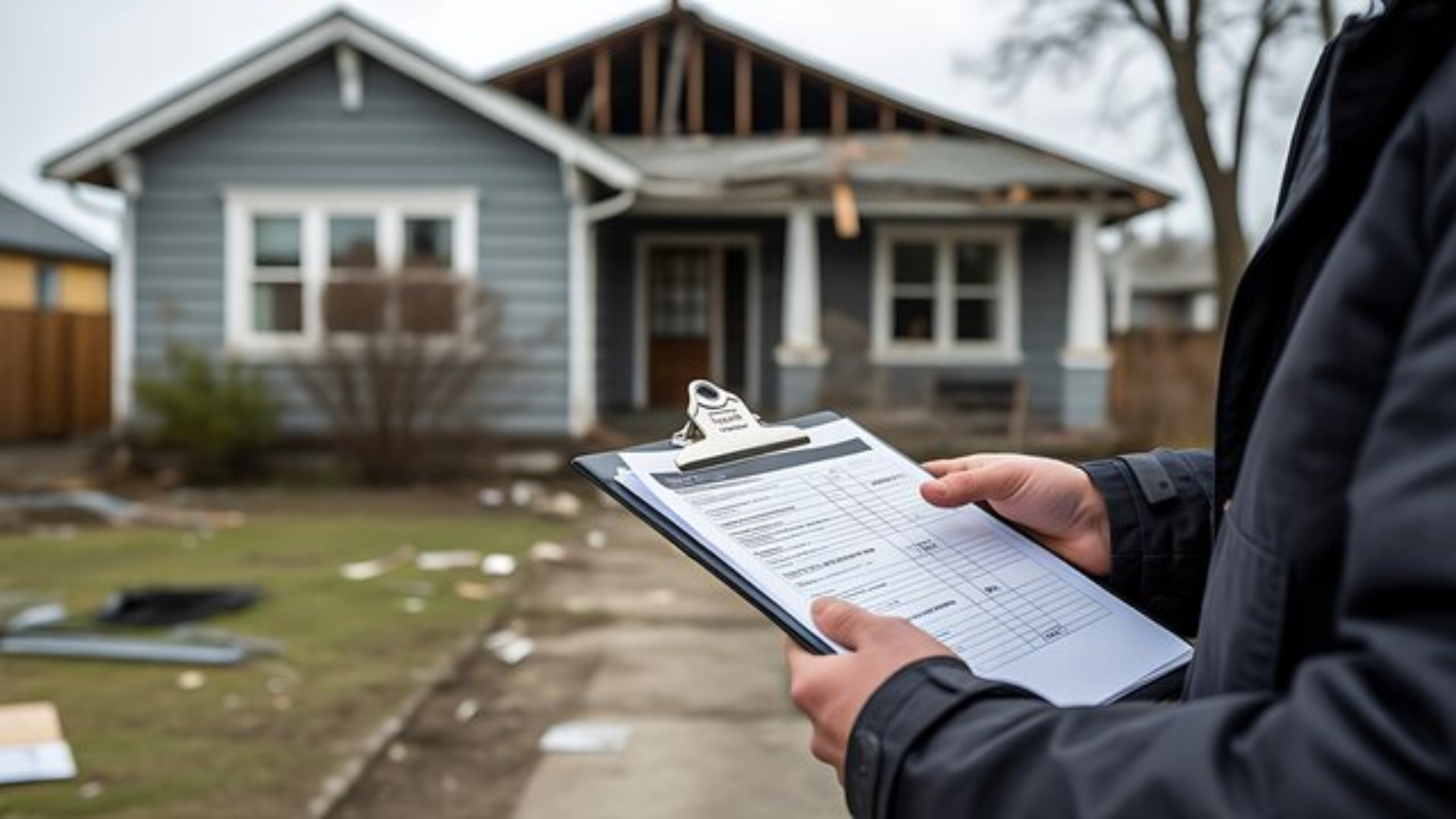

Buying your first home is an exciting milestone, but receiving your inspection report can feel overwhelming. A first time home buyer inspection report may contain dozens of pages covering the roof, foundation, plumbing, electrical systems, HVAC, attic, exterior, interior, and other components. Seeing a long list of findings does not automatically mean the home is unsafe or a bad investment.
The purpose of an inspection report is to help you understand the property’s current condition. It gives you useful information that can help you decide what needs attention, what may require future maintenance, and which concerns should be discussed before closing.
For first-time buyers in Lafayette, understanding how to read this report is especially important. Local homes can face moisture, humidity, storm exposure, drainage concerns, and age-related maintenance issues. A clear inspection report can help you look beyond the appearance of a home and understand its condition.
What Is a Home Inspection Report?
A home inspection report is a written record of the inspector’s observations during the inspection. It typically covers accessible structural components and major home systems, along with photographs and explanations of observed concerns.
A first time buyer inspection is not designed to guarantee that a home has no defects. Instead, it provides an objective snapshot of the property’s condition at the time of the inspection.
The report may identify safety concerns, functional problems, deterioration, maintenance needs, or conditions that should receive further evaluation by a qualified specialist. This information can help you make a more informed decision before completing your purchase.
Start With the Inspection Summary
The easiest way to begin reading your report is to start with the summary rather than reading every page from beginning to end.
Many detailed inspection reports contain a summary section that highlights the more significant findings. This gives you a starting point and helps you understand which items deserve closer attention.
Read each highlighted finding carefully. Look at the photographs, read the inspector’s explanation, and check whether the report recommends repair, maintenance, monitoring, or evaluation by another professional.
Do not assume that an item appearing in the summary means the home has a serious problem. The summary is there to help you identify important observations quickly. You should still read the supporting information in the full report.
Learn the Difference Between Major and Minor Findings
One of the most important skills when reviewing an inspection report for buyers is learning how to prioritize findings.
Not every issue has the same level of importance. For example, a small cosmetic concern is different from an electrical safety issue. A worn seal around a window is different from evidence of significant water intrusion.
As you read the report, consider each finding based on its potential effect on safety, function, cost, and future maintenance.
Safety Concerns
Safety-related findings should receive close attention. These may include concerns involving electrical components, stairs, railings, carbon monoxide protection, smoke detectors, or other conditions that could create a safety risk.
Ask your inspector or another qualified professional for clarification if you are unsure about the seriousness of a safety finding.
Major System Concerns
Major systems such as the roof, HVAC, electrical system, plumbing, and structural components can have a significant effect on your future ownership costs.
If the report identifies a concern with one of these systems, review the details carefully. Consider the system’s condition, age, visible defects, and whether additional evaluation is recommended.
Routine Maintenance
Some findings simply indicate normal maintenance needs. Homes require ongoing care, and an inspection report may identify items that should be cleaned, adjusted, sealed, serviced, or monitored.
These findings are useful because they can help you plan for homeownership, but they may not require the same urgency as a significant safety or structural concern.
Pay Attention to the Inspector’s Comments
Photos are helpful, but do not rely on pictures alone. Read the inspector’s written comments for each finding.
The comments may explain what was observed, where it was found, and why it matters. They may also recommend that a specific component be evaluated by a qualified contractor or specialist.
For a home buying inspection, these explanations can be particularly valuable because first-time buyers may not be familiar with construction terms or home systems.
If you do not understand a recommendation, ask questions. A good inspection should help educate you about the property instead of leaving you with a report full of unfamiliar terminology.
Review the Roof and Exterior Findings
The roof and exterior deserve careful attention because they protect the rest of the home from weather and moisture.
Look for findings involving damaged or deteriorated roofing materials, flashing, gutters, drainage, siding, exterior doors, windows, grading, or other visible components.
In Lafayette, moisture and heavy rainfall can make proper drainage and moisture management particularly important. If the report identifies signs of water intrusion or drainage concerns, understand where the issue was observed and whether further evaluation is recommended.
Do not automatically assume that every roof or exterior finding means an immediate replacement is necessary. The report should help you understand the observed condition so you can determine the appropriate next step.
Review Plumbing and Electrical Findings Carefully
Plumbing and electrical systems are two areas where first-time buyers should pay close attention.
For plumbing, review findings involving visible leaks, drainage, water pressure, fixtures, water heaters, supply piping, and other accessible components. Determine whether the finding appears to be a minor maintenance issue or something that may require professional repair.
For electrical systems, look carefully at findings involving outlets, switches, panels, wiring, grounding, or other safety-related components.
If the inspector recommends evaluation by a licensed electrician or plumber, take that recommendation seriously. The inspection report can identify an observable concern, while a qualified specialist can determine the appropriate repair or replacement.
Understand HVAC Findings
Heating and cooling systems are especially important for homeowners in Louisiana. When reviewing the report, look at findings related to the HVAC equipment, visible ductwork, filters, drainage, controls, and overall operation.
Pay attention to comments about the system’s apparent age, condition, performance, or maintenance needs.
An inspection does not necessarily predict exactly when an HVAC system will fail. However, information about its condition can help you prepare for possible future expenses and make better decisions before closing.
Look at Structural and Moisture Findings
Structural and moisture-related findings should be reviewed carefully.
Pay attention to observations involving the foundation, framing, floors, ceilings, walls, crawlspaces, attic areas, or other accessible structural components. Also review any findings involving visible staining, moisture intrusion, poor ventilation, or conditions that may contribute to deterioration.
If the inspector recommends additional evaluation by a structural engineer, moisture specialist, or another professional, consider getting that evaluation before making a final decision.
The goal is not to panic when you see these terms. The goal is to understand what was observed and determine whether additional information is needed.
Use Photos to Understand the Finding
Inspection photographs can make technical information much easier to understand.
When you see a finding in the report, look at the associated photograph and compare it with the written description. The image may show exactly where the concern was observed.
Photos can also be useful when discussing the report with your real estate agent or a contractor. Instead of trying to describe the issue from memory, you can refer directly to the inspection documentation.
Do Not Treat Every Finding as a Repair Demand
A common mistake among first-time buyers is assuming that every item in the inspection report should be repaired before closing.
That is rarely the best way to approach the report.
Instead, focus on findings that could affect safety, major systems, structural integrity, significant future costs, or the home’s ability to function properly.
Your real estate agent can help you understand the negotiation process and determine which findings may be appropriate to address with the seller. Depending on the circumstances, buyers may discuss repairs, credits, or other purchase terms.
Your inspection report provides information. It does not make the decision for you.
Ask Questions Before Making a Decision
If you are unsure about something in your first time home buyer inspection report, ask questions before deciding what to do.
Useful questions include:
- Is this a safety concern?
- Is this an immediate repair or routine maintenance item?
- How significant could this issue become?
- Does this finding require evaluation by a specialist?
- Could this affect the home’s major systems?
- What should I prioritize before closing?
- What should I plan to maintain after moving in?
Understanding the answers can make the report much less intimidating.
Turn Your Report Into a Homeownership Plan
Your inspection report is useful even after the purchase.
Once you know which items need immediate attention, you can create a maintenance plan for the first year of homeownership. Address urgent concerns first, then plan for routine maintenance and longer-term improvements.
For example, you may need to schedule a professional evaluation, repair a safety concern, service an HVAC system, improve drainage, or monitor a developing condition.
This approach turns your inspection report into a practical guide instead of simply a document you review before closing.
Why First-Time Buyers Should Understand Their Report
A first time buyer inspection gives you more than a list of defects. It helps you understand how the home is performing and what may require attention.
First-time buyers often focus heavily on the home’s appearance, layout, location, and price. Those factors matter, but understanding the property’s condition is equally important.
A clear inspection report gives you information that can help you make a more confident decision. It can also help you prepare financially for maintenance and repairs after you become the homeowner.
Conclusion
Learning how to read a first time home buyer inspection report does not have to be complicated. Start with the summary, review important findings carefully, look at photographs, read the inspector’s comments, and separate major concerns from routine maintenance.
Pay particular attention to safety issues, structural concerns, moisture, roofing, plumbing, electrical systems, and HVAC conditions. If the report recommends additional evaluation, consider getting professional advice before making a final decision.
Most importantly, remember that an inspection report is an information tool. It is designed to help you understand the property, prioritize concerns, and make informed decisions before closing.
If you are buying your first home in Lafayette, get in touch with Select Inspections for a professional inspection and clear guidance throughout the inspection process.
Frequently Asked Questions
1. How should a first-time buyer read a home inspection report?
Start with the summary and identify the most important findings. Then review the photographs, inspector comments, and recommendations for each concern. Focus first on safety, structural, and major system issues.
2. What should I look for in a first time home buyer inspection report?
Look for findings related to safety, structure, roofing, moisture, electrical systems, plumbing, HVAC, and other major components. Pay attention to recommendations for repairs or additional evaluations.
3. Does every inspection finding need to be repaired?
No. Some findings are routine maintenance or minor concerns. Prioritize issues based on safety, function, severity, potential cost, and the need for professional evaluation.
4. Can I negotiate repairs after a home inspection?
Inspection findings may provide a basis for discussing repairs, credits, or other purchase terms with the seller. Your real estate agent can help you understand your options and the terms of your transaction.
5. Should I ask questions about my inspection report?
Yes. If you do not understand a finding or recommendation, ask your inspector for clarification. Understanding the report can help you make a more informed home buying decision.