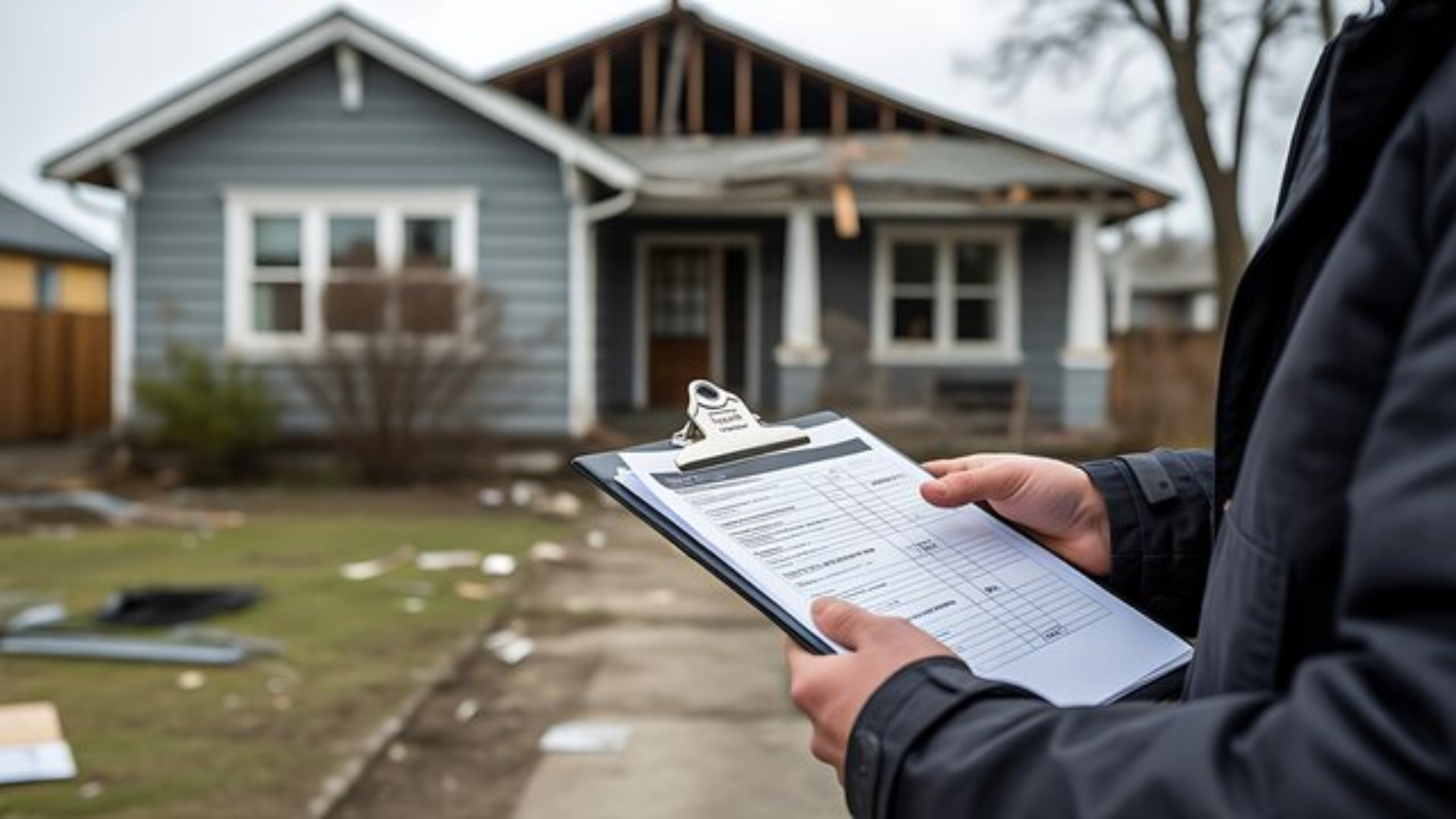
Receiving a home inspection report can feel overwhelming, especially when it contains multiple findings, photographs, recommendations, and maintenance concerns. However, the report is not simply a list of problems with the property. It is a tool that can help you understand the home’s condition and make informed decisions before completing your purchase.
Knowing what to do with a home inspection report can help you separate serious concerns from routine maintenance, identify important property repairs, ask the right questions, and determine whether the home remains a good fit for your needs and budget.
For home buyers in Lafayette, understanding inspection findings can be especially useful when evaluating moisture concerns, drainage, roofing, plumbing, electrical systems, HVAC equipment, and other components that may affect the property’s condition. A professional inspection provides information that can help you move forward with greater confidence.
Why Your Home Inspection Report Matters
A home inspection report provides a written record of conditions observed during the inspection. It can include information about the property’s major systems, structural components, visible defects, safety concerns, maintenance needs, and areas that may require further evaluation.
The report should not be viewed as a pass or fail document. Most homes have some maintenance items or defects, particularly older properties. The important question is whether the identified conditions are significant enough to affect your decision.
A careful inspection report review allows you to understand the difference between normal wear and conditions that may require immediate attention.
Instead of focusing on the number of findings, focus on their severity, potential cost, and effect on the property’s safety and function.
Start With the Most Important Findings
When you receive your report, begin by reviewing the summary and the findings that appear most significant.
Look for concerns involving structural components, roofing, water intrusion, electrical systems, plumbing, HVAC equipment, drainage, and safety conditions. These areas can have a greater effect on your ownership costs and the property’s overall condition.
You do not need to treat every observation as an emergency. A loose handrail, worn sealant, or minor cosmetic issue is very different from an active roof leak, significant electrical hazard, or serious moisture problem.
The first step is to understand which findings deserve your immediate attention and which can be addressed as part of normal home maintenance.
Separate Repairs From Routine Maintenance
One of the most useful things you can do after receiving an inspection report is separate significant property repairs from routine maintenance.
Major defects may require professional evaluation or prompt repairs. These could include significant roof damage, electrical safety concerns, plumbing failures, structural problems, or active water intrusion.
Other findings may simply indicate that a component needs maintenance or should be monitored. Homes naturally require ongoing maintenance, and an inspection report can help you understand what may need attention over time.
This distinction can prevent you from becoming unnecessarily concerned about minor findings while ensuring that important problems receive the attention they deserve.
Understand the Inspector’s Recommendations
Your inspection report may include home inspection recommendations based on the conditions observed during the inspection.
Some recommendations may involve repair or maintenance. Others may suggest further evaluation by a qualified professional.
A recommendation for further evaluation does not automatically mean that a major defect exists. It means the inspector identified a condition that may require additional investigation beyond the scope of a general home inspection.
For example, a visible concern with an electrical component may require evaluation by a licensed electrician. A roofing concern may require a qualified roofing contractor to determine the remaining service life or repair requirements.
Understanding the recommendation helps you determine the appropriate next step rather than trying to diagnose a specialized problem yourself.
Ask Questions About Findings You Do Not Understand
You should not feel that you need to understand every technical term in your inspection report.
If you are unsure about a finding, ask your inspector for clarification. Understanding what was observed and why it matters can help you make better decisions.
You may want to ask whether the condition is a safety concern, whether it requires immediate attention, whether further evaluation is recommended, or whether it is primarily a maintenance issue.
Photographs and detailed descriptions can also help you understand where a concern was observed.
A clear inspection report should give you useful information about the property’s visible condition while helping you identify areas where additional professional evaluation may be appropriate.
Discuss Important Findings With Your Real Estate Agent
After reviewing the report, discuss significant findings with your real estate agent.
Your agent can help you understand how the inspection findings may affect the purchase transaction and what options may be available under your purchase agreement.
Depending on the circumstances, buyers may discuss repairs, seller credits, price adjustments, or other terms with the seller.
However, your real estate agent is not a replacement for a qualified contractor when you need a detailed repair assessment or cost estimate.
The inspection report can identify the concern, while an appropriate specialist can help determine the scope and potential cost of the work.
Decide Which Repairs Matter Most
A common mistake is assuming that every item listed in an inspection report should be repaired before closing.
That is usually not necessary.
Instead, focus on conditions that could significantly affect safety, property value, functionality, or future ownership costs.
For example, an aging HVAC system that is still operating properly may be different from a system that has stopped working. An older roof that remains functional may be different from one with active leaks.
Consider the age of the component, its current condition, the potential cost of repair or replacement, and how soon the issue may need attention.
This approach can help you make decisions based on the overall condition of the property rather than becoming focused on individual minor findings.
Get Professional Repair Estimates
If your report identifies a potentially expensive issue, consider getting a professional repair estimate.
A qualified contractor can provide more specific information about the required work and potential costs.
For example, a roofing contractor can evaluate significant roof concerns, while a licensed electrician can assess an electrical problem. A plumbing professional may be appropriate when the inspection identifies significant plumbing concerns.
These estimates can help you understand the financial impact of the inspection findings.
They can also give you better information when discussing potential repairs or other terms with the seller.
Use the Report During Negotiations
Your inspection report can provide useful documentation when discussing significant property conditions with the seller.
Rather than asking the seller to address every minor maintenance item, focus on findings that are significant, safety-related, or likely to involve substantial costs.
Depending on your purchase agreement, you may discuss specific repairs, seller credits, price adjustments, or other solutions.
Your real estate agent can help you determine the most appropriate approach for your transaction.
Keep in mind that a home inspection is intended to provide information about the property’s observable condition. It does not automatically mean that the seller must repair every item mentioned in the report.
Consider Future Maintenance Costs
Some inspection findings may not require immediate repairs but could become future expenses.
An older roof, HVAC system, water heater, plumbing component, or other major system may still be functioning while approaching the end of its useful life.
When reviewing your report, consider both current and potential future costs.
Ask yourself whether you are financially prepared to maintain or replace major components when necessary. This can help you evaluate the property realistically rather than focusing only on immediate repair needs.
Understanding future maintenance can be particularly important for buyers purchasing older homes.
Keep Your Inspection Report After Closing
Your inspection report can remain useful even after you purchase the home.
Keep a copy with your important property documents. It provides a record of conditions that were observed before closing and can help you plan future maintenance.
You can also use the report to create a home maintenance schedule.
If the report recommends monitoring a particular component or addressing a maintenance concern in the future, keeping that information available can help you stay organized.
The inspection report is therefore more than a transaction document. It can become a useful reference throughout your ownership of the property.
Make Your Decision Based on the Whole Property
The most important thing to remember is that one inspection finding should not automatically determine your entire buying decision.
Consider the overall condition of the home, the age of its major systems, the severity of the findings, estimated repair costs, your budget, and your long-term plans.
A home with several minor maintenance findings may still be a suitable purchase. A property with fewer but more significant defects may require additional consideration.
The goal is not necessarily to find a home with no problems. The goal is to understand the property’s condition and decide whether you are comfortable with the responsibilities and costs that come with ownership.
Conclusion
Knowing what to do with a home inspection report can make the home buying process easier and more manageable. Instead of viewing the report as a long list of problems, use it as a resource for understanding the property’s condition and identifying the issues that deserve attention.
Start with the most significant findings, separate major concerns from routine maintenance, ask questions about unclear home inspection recommendations, obtain professional repair estimates when necessary, and discuss your options with your real estate agent.
A home inspection report gives you information that can support a more informed purchase decision. By understanding the findings and considering both immediate and future costs, you can move forward with greater confidence.
If you are buying a home in Lafayette, LA, Select Inspections can help you understand the condition of the property through a detailed, buyer-focused inspection. Get in touch with Select Inspections to schedule your home inspection and take the next step toward a more informed home purchase.
Frequently Asked Questions
1. What should I do after receiving my home inspection report?
Start by reviewing the summary and identifying significant safety concerns, structural issues, moisture problems, and major system defects. Then ask questions about unclear findings and discuss important concerns with your real estate agent.
2. Should I ask the seller to fix everything in the inspection report?
No. Not every inspection finding requires a seller repair. Focus on significant safety concerns, major defects, and conditions that could result in substantial repair costs.
3. Can I negotiate after receiving a home inspection report?
Depending on your purchase agreement and transaction circumstances, you may be able to discuss repairs, seller credits, price adjustments, or other terms based on significant inspection findings.
4. What if my inspection report recommends further evaluation?
Consider contacting an appropriately qualified professional. A specialist may be able to determine the cause, severity, repair requirements, and potential cost of the identified condition.
5. Do all home inspection findings need immediate repairs?
No. Some findings involve routine maintenance or minor conditions. Prioritize issues based on safety, severity, urgency, potential damage, and repair costs.