Most homeowners pay attention to shingles, gutters, and roof leaks, but attic ventilation is just as important to the health of a roofing system. Poor airflow inside the attic can trap heat and moisture, creating conditions that slowly damage wood framing and roof decking.
During high-heat cycles, attic temperatures can rise dramatically. When trapped heat combines with excess moisture, the result can be condensation buildup, mold growth, and structural deterioration. Over time, these issues may lead to expensive roofing repairs.
A professional attic ventilation inspection helps identify airflow problems before they cause major damage. Proper ventilation keeps attic temperatures balanced and prevents moisture from becoming trapped beneath the roof.
Why Attic Ventilation Matters
Attic ventilation works by moving fresh air into the attic while pushing hot, humid air out. Intake vents usually pull air in through soffits, while exhaust vents release hot air through the roof.
This continuous airflow helps regulate attic temperature and moisture levels. Without proper ventilation, heat collects beneath the roof deck and creates extreme attic conditions during summer.
Many homeowners do not realize that high attic temperatures can affect more than comfort levels. Excessive heat can weaken roofing materials, increase cooling costs, and create moisture problems inside the attic.
When warm air becomes trapped, it can eventually produce attic condensation moisture during temperature changes. Repeated moisture buildup can damage wooden roofing components over time.
How Heat and Moisture Cause Roof Damage
Heat and moisture are one of the most damaging combinations for attic structures. Roof decking absorbs moisture from condensation, especially when ventilation is limited.
At first, the moisture may seem minor. However, repeated exposure weakens wood fibers and creates ideal conditions for decay.
This often leads to roof decking rot, which can reduce the structural strength of the roof. Rotting wood may begin to sag, soften, or deteriorate beneath the shingles.
In many homes, the damage remains hidden for years because it develops slowly inside the attic space. By the time visible signs appear, repairs can become extensive and expensive.
Common warning signs include musty odors, visible staining on attic wood, mold growth, and unusually high indoor humidity levels.
The Role of Soffit Vent Airflow
Proper intake ventilation is critical for maintaining attic airflow. One of the most important components is soffit vent airflow.
Soffit vents are located beneath the roof overhang and allow cooler outdoor air to enter the attic. This incoming air pushes trapped heat upward toward exhaust vents.
Problems begin when soffit vents become blocked by insulation, dust, or poor installation practices. Restricted intake airflow limits the attic’s ability to remove heat effectively.
Even if a home has several exhaust vents, poor intake ventilation can still create hot spots and moisture buildup inside the attic.
Balanced airflow between intake and exhaust vents is essential for keeping attic conditions stable.
Understanding Passive Roof Ventilation
Many homes rely on passive ventilation systems to regulate attic airflow. Passive systems use natural air movement instead of mechanical equipment.
Common passive roof vents include ridge vents, box vents, and gable vents. These systems allow rising hot air to escape naturally through the upper portions of the roof.
Ridge vents are especially effective when combined with clear soffit intake vents. Together, they create a steady flow of air through the attic space.
Passive systems are popular because they require little maintenance and consume no electricity. However, their effectiveness depends on proper design and vent placement.
If the ventilation layout is unbalanced, airflow can become restricted instead of improved.
Active Ventilation and Hot Attic Conditions
Some homes use powered attic ventilation systems to improve airflow during extreme heat. These systems include electric attic fans and solar-powered exhaust units.
Properly designed hot attic ventilation systems can help reduce excessive attic temperatures during summer months. Lower attic temperatures may also reduce stress on roofing materials.
However, powered systems are not always the best solution. If attic fans are too powerful, they can create negative pressure inside the attic.
This may pull conditioned air from living spaces into the attic, increasing energy costs and adding unwanted moisture.
A detailed attic ventilation inspection can determine whether an active system is helping or creating additional airflow problems.
Common Radiant Barrier Problems
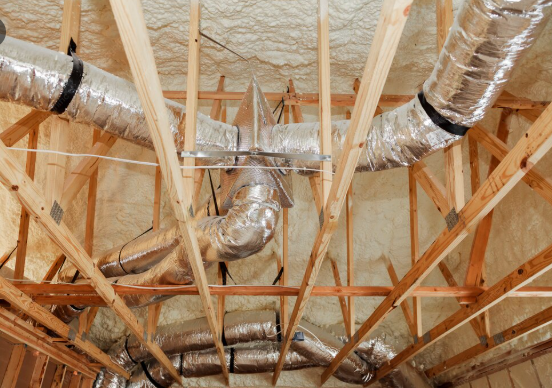
Radiant barriers are designed to reflect heat away from attic spaces. When installed correctly, they may help reduce heat transfer into the home.
However, some homeowners experience radiant barrier problems because of poor installation practices.
In certain cases, radiant barrier materials block ventilation pathways or restrict airflow near soffit vents. This prevents fresh air from circulating properly through the attic.
When ventilation becomes restricted, heat and moisture can still build up despite the presence of a radiant barrier.
Radiant barriers should support attic ventilation systems, not interfere with them.
Signs Your Attic Ventilation Needs Attention
Ventilation problems often develop slowly, making them difficult to notice early. Homeowners should watch for signs that indicate poor attic airflow.
Rooms near the roof may feel excessively warm during summer. Energy bills may rise as cooling systems work harder to offset attic heat.
Other warning signs include mold growth, damp insulation, wood discoloration, and persistent musty smells.
Premature aging of shingles can also signal excessive attic temperatures. Trapped heat beneath the roof may shorten the lifespan of roofing materials.
Ignoring these symptoms can allow moisture damage to spread throughout the attic structure.
Why Professional Inspections Are Important
Attic ventilation involves more than simply adding vents to the roof. Airflow balance, insulation placement, roof design, and moisture control all work together.
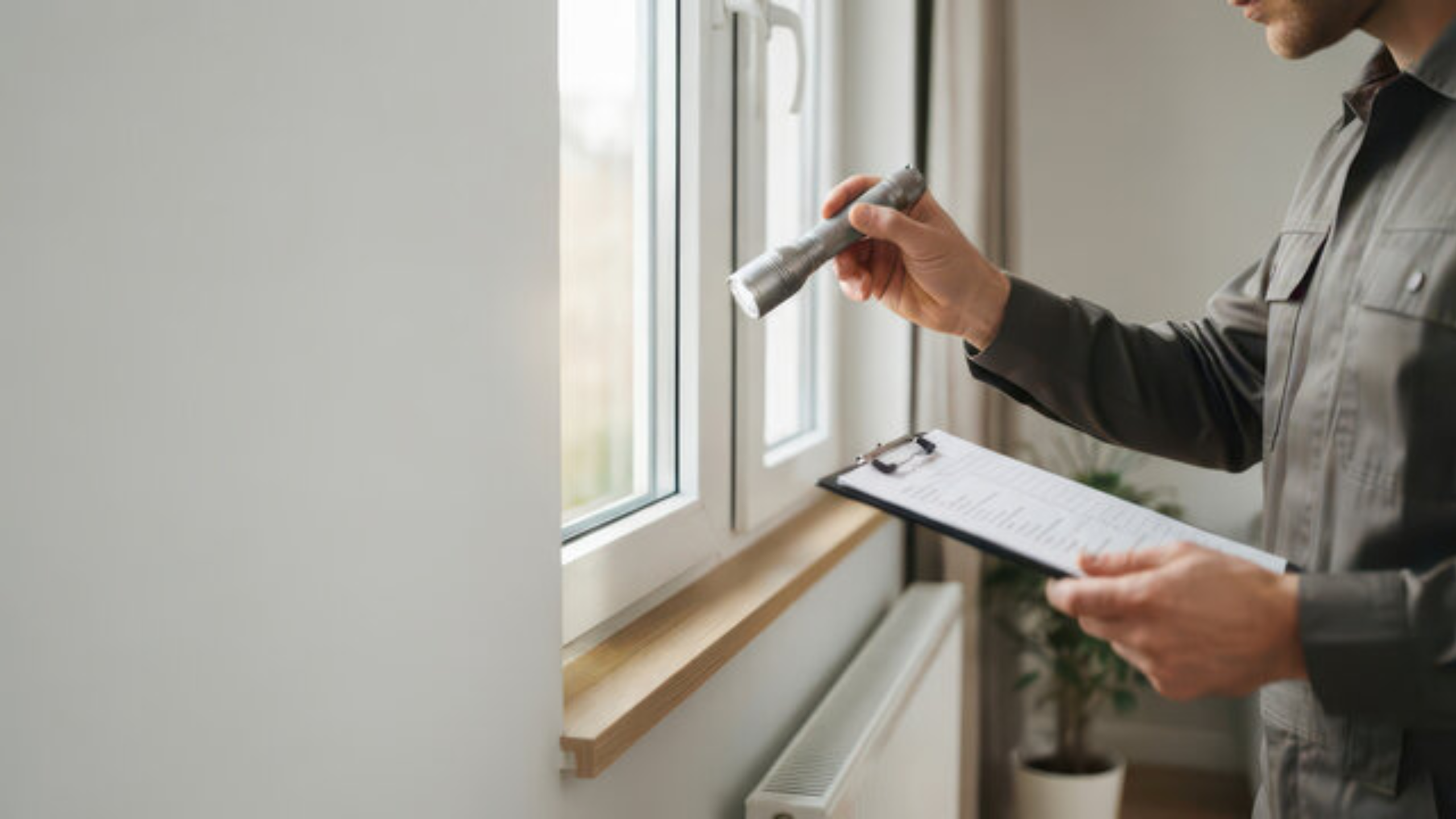
A professional attic ventilation inspection evaluates the entire attic system to identify hidden issues. Inspectors check intake airflow, exhaust ventilation, moisture buildup, and signs of wood deterioration.
Early detection can help homeowners avoid major repairs caused by trapped heat and long-term moisture exposure.
Proper attic ventilation protects roofing materials, improves indoor comfort, and reduces the risk of structural wood damage. In high-heat climates, maintaining healthy attic airflow is one of the best ways to extend the life of a roofing system.
Conclusion
Attic ventilation plays a major role in protecting a home from heat and moisture damage. When airflow becomes restricted, trapped heat and condensation can slowly damage roof decking, insulation, and structural wood components. Over time, these issues may lead to costly repairs and reduced roof lifespan.
A proper balance between intake and exhaust ventilation helps maintain stable attic conditions throughout high-heat cycles. Systems such as soffit vents, ridge vents, and other roof vents must work together to remove excess heat and moisture effectively.
Scheduling a professional attic ventilation inspection can help homeowners detect hidden airflow problems before they turn into serious structural concerns. Early attention to ventilation performance can improve energy efficiency, reduce moisture risks, and protect the long-term health of the roofing system.
If you are concerned about attic heat, moisture buildup, or ventilation performance, contact Select Inspection today to schedule a professional attic ventilation inspection and protect your home from long-term roofing damage.
Frequently Asked Questions
1. What is an attic ventilation inspection?
An attic ventilation inspection evaluates how air moves through the attic space. Inspectors check intake vents, exhaust vents, moisture levels, insulation placement, and signs of heat or wood damage.
2. Can poor attic ventilation cause roof decking rot?
Yes. Poor airflow can trap moisture inside the attic, leading to long-term condensation buildup. Over time, this moisture can contribute to roof decking rot and structural deterioration.
3. What are common signs of attic condensation moisture?
Common signs include mold growth, damp insulation, musty odors, water stains on wood surfaces, and increased indoor humidity levels.
4. Why is soffit vent airflow important?
Soffit vent airflow allows cooler outdoor air to enter the attic. This fresh air helps push hot, humid air out through roof exhaust vents and keeps attic temperatures balanced.
5. Do radiant barriers affect attic ventilation?
They can if installed incorrectly. Some radiant barrier problems occur when the material blocks airflow near intake vents or restricts ventilation pathways.