
Understanding the difference between a pre-drywall inspection and a final walkthrough inspection can help buyers identify hidden issues before they become expensive problems. Many builder mistakes and shortcuts happen early in the process, long before drywall covers the structure. Once that happens, correcting defects becomes significantly more difficult and costly.
Lafayette Home Inspections works with buyers to uncover these issues at the right stages so homeowners can move into a safe, structurally sound property.
Why New Construction Homes Still Need Inspections
It is a common assumption that a newly built home is automatically free of defects. In reality, construction sites are dynamic environments where multiple subcontractors work under time pressure. Even experienced builders can overlook details.
A buyers home inspection and a new construction home inspection helps identify issues such as improper framing, missing structural components, plumbing leaks, electrical concerns, and code compliance problems. These issues may not be visible during a final walkthrough because they are often hidden behind finished surfaces.
Another important reason inspections matter is builder accountability. Even reputable builders can make mistakes or take shortcuts to reduce costs or meet deadlines. Without independent inspection, these issues may go unnoticed until after the builder warranty period becomes harder to enforce.
Understanding Pre-Drywall Inspection
The pre-drywall inspection is one of the most critical stages in a new home build. It takes place after framing, plumbing, electrical, and HVAC systems are installed but before drywall is applied. At this stage, the structure is still exposed, allowing inspectors to evaluate components that will later be hidden permanently.
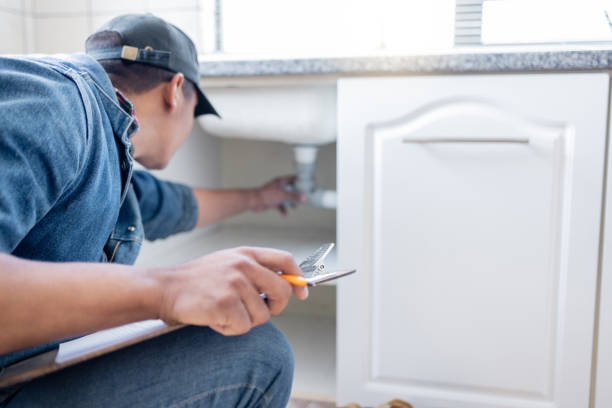
This inspection is essential because it reveals builder errors that are otherwise impossible to detect later. Structural framing can be checked for proper alignment and support. Plumbing lines can be verified for correct installation and leak risks. Electrical wiring can be reviewed for safety and code compliance. HVAC ductwork can be inspected for efficiency and proper placement.
Many costly issues originate during this stage. For example, missing insulation in key areas, improperly secured beams, or misrouted wiring are all problems that can be corrected easily before drywall installation. Once covered, these defects can remain hidden for years.
The pre-drywall inspection is also where the impact of builder shortcuts becomes most visible. Rushed framing, inadequate fastening, and improper material use are more easily detected when the structure is still exposed.
Builder Shortcuts Hidden Behind Drywall
One of the biggest risks in new construction is that many structural issues are intentionally or unintentionally concealed once drywall is installed. Builders operate under strict deadlines, and subcontractors often work quickly to move from one project to the next.
Common builder shortcuts include improperly secured framing members, missing structural connectors, incorrectly installed plumbing slope, and electrical wiring that does not follow optimal routing. These issues may not cause immediate visible damage, but they can compromise long term structural safety.
Once drywall is installed, these areas are sealed off, making repairs significantly more expensive. In many cases, homeowners may need to remove finished walls or ceilings to access the problem. This is why identifying issues during the pre-drywall stage is so important.
A professional inspection at this stage ensures that construction quality is verified before it is permanently hidden.
Final Walkthrough Inspection Explained
The final walkthrough inspection occurs when construction is complete and the home is ready for delivery. At this stage, drywall, flooring, fixtures, and finishes are all installed. The purpose of this inspection is to evaluate the finished product and ensure everything functions correctly.
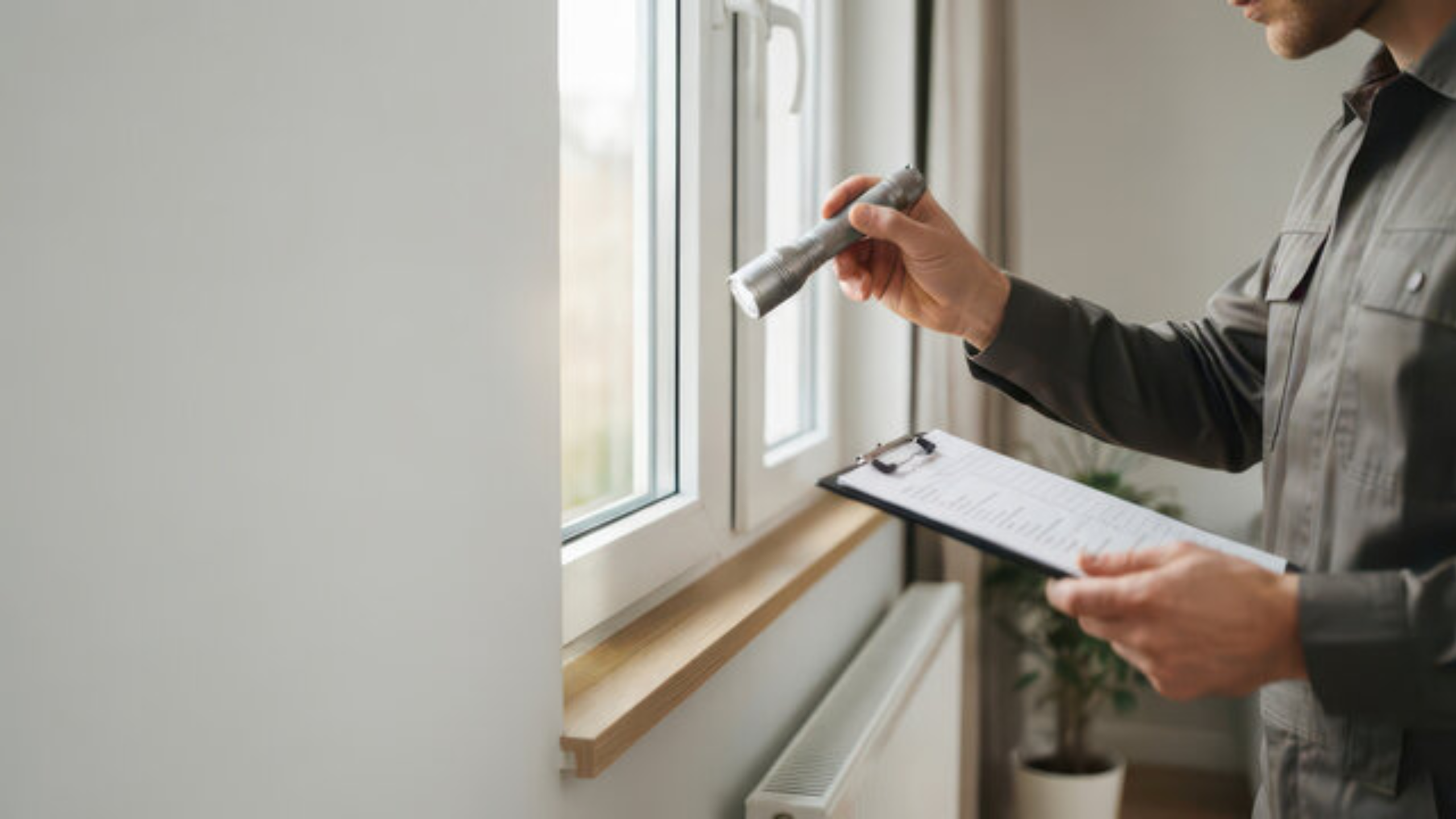
During the final walkthrough, inspectors check doors, windows, appliances, plumbing fixtures, electrical outlets, and HVAC systems. They also look for visible defects such as uneven flooring, paint inconsistencies, missing trim, or poorly installed fixtures.
While this inspection is important, it is limited compared to pre-drywall evaluation. Many structural and mechanical components are already hidden behind finished surfaces. As a result, the final walkthrough focuses more on functionality and visible quality rather than structural integrity.
This is why relying only on a final walkthrough is not enough for new construction buyers. It should always be paired with a pre-drywall inspection for full coverage.
Structural Safety and Long Term Value
One of the most important benefits of a new construction home inspection is ensuring structural safety. A home may look perfect on the surface, but hidden structural issues can affect safety and long term durability.
Problems such as improperly installed load bearing beams, uneven foundation settling, or missing reinforcements can compromise the integrity of the home. These issues are best identified during early construction phases.
Structural safety also directly impacts long term property value. Homes with documented inspection history and corrected issues tend to maintain higher market value and experience fewer maintenance problems over time.
Buyers who invest in inspections early are often able to avoid costly repairs and preserve the long term value of their property.
Builder Warranty and Why Timing Matters
Most new homes come with a builder warranty, which typically covers workmanship and structural defects for a limited period. However, warranty claims can become complicated if issues are discovered too late or if there is no documented evidence of defects during construction.
A pre-drywall inspection provides valuable documentation that can support warranty claims if problems arise later. It creates a record of conditions before walls are closed, which strengthens the homeowner’s position when requesting repairs.
Timing is critical because some defects become more expensive to fix as construction progresses. Identifying issues early gives builders the opportunity to correct them before completion, reducing disputes and delays.
Common Issues Found in Phase Inspections
Phase inspections, especially pre-drywall evaluations, often reveal issues that are not visible in finished homes. These include framing inconsistencies, improper joist spacing, plumbing leaks behind walls, and electrical safety concerns.
In some cases, inspectors also identify missing fire blocking, inadequate insulation placement, and ventilation problems. These issues may not be immediately noticeable but can impact safety, energy efficiency, and long term comfort.
By addressing these problems during construction, homeowners avoid future repair costs and reduce the risk of system failures.
Conclusion
A new construction home may appear perfect, but hidden issues often exist beneath the surface. Understanding the difference between a pre-drywall inspection and a final walkthrough inspection is essential for protecting your investment and ensuring long term structural safety.
The pre-drywall stage is where most critical builder errors and shortcuts can be identified before they are permanently covered. The final walkthrough confirms functionality and finish quality but cannot replace the depth of early phase inspections.
By investing in a new construction home inspection, buyers gain confidence that their home is safe, properly built, and aligned with quality standards. Lafayette Home Inspections helps homeowners identify problems early, protect their investment, and move forward with peace of mind.
Contact Lafayette Home Inspections today to schedule your inspection and ensure your new home is built the right way from the start.