Buying a home is one of the most important financial decisions most people will ever make. It involves a significant investment, long-term commitment, and a level of risk that can be difficult to fully assess during the early stages of the process. One of the most common questions homebuyers ask is whether the cost of home inspection is truly worth it.
At first glance, a home inspection may seem like an additional expense in an already costly transaction. However, when evaluated from a financial risk perspective, it becomes clear that this small upfront cost can protect buyers from far larger hidden repair costs and long-term financial burdens. Understanding the true return on investment of a home inspection helps buyers make smarter, more confident purchasing decisions.
Understanding the Cost of Home Inspection in Context
The cost of home inspection varies depending on factors such as property size, age, condition, and location. While exact pricing differs from one property to another, the inspection fee typically represents a very small percentage of the overall home purchase price.
When compared to the total financial commitment involved in buying a home, including down payments, closing costs, and future mortgage obligations, the inspection fee is relatively minimal. Despite this, many buyers still question whether it is necessary.
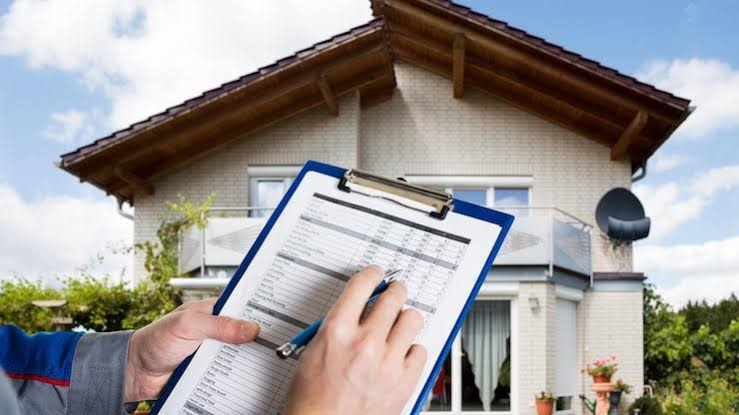
The answer becomes clearer when you consider what the inspection actually provides. A professional inspection offers a detailed evaluation of the property’s condition, identifying potential concerns that may not be visible during a standard walkthrough. This insight plays a critical role in preventing unexpected expenses and supporting informed financial decisions.
Why Home Inspections Are Essential for Financial Protection
A home may appear well maintained on the surface, but cosmetic presentation does not always reflect underlying structural or system-related issues. Fresh paint, updated fixtures, or staged interiors can sometimes mask serious problems that are only detectable through a trained inspection.
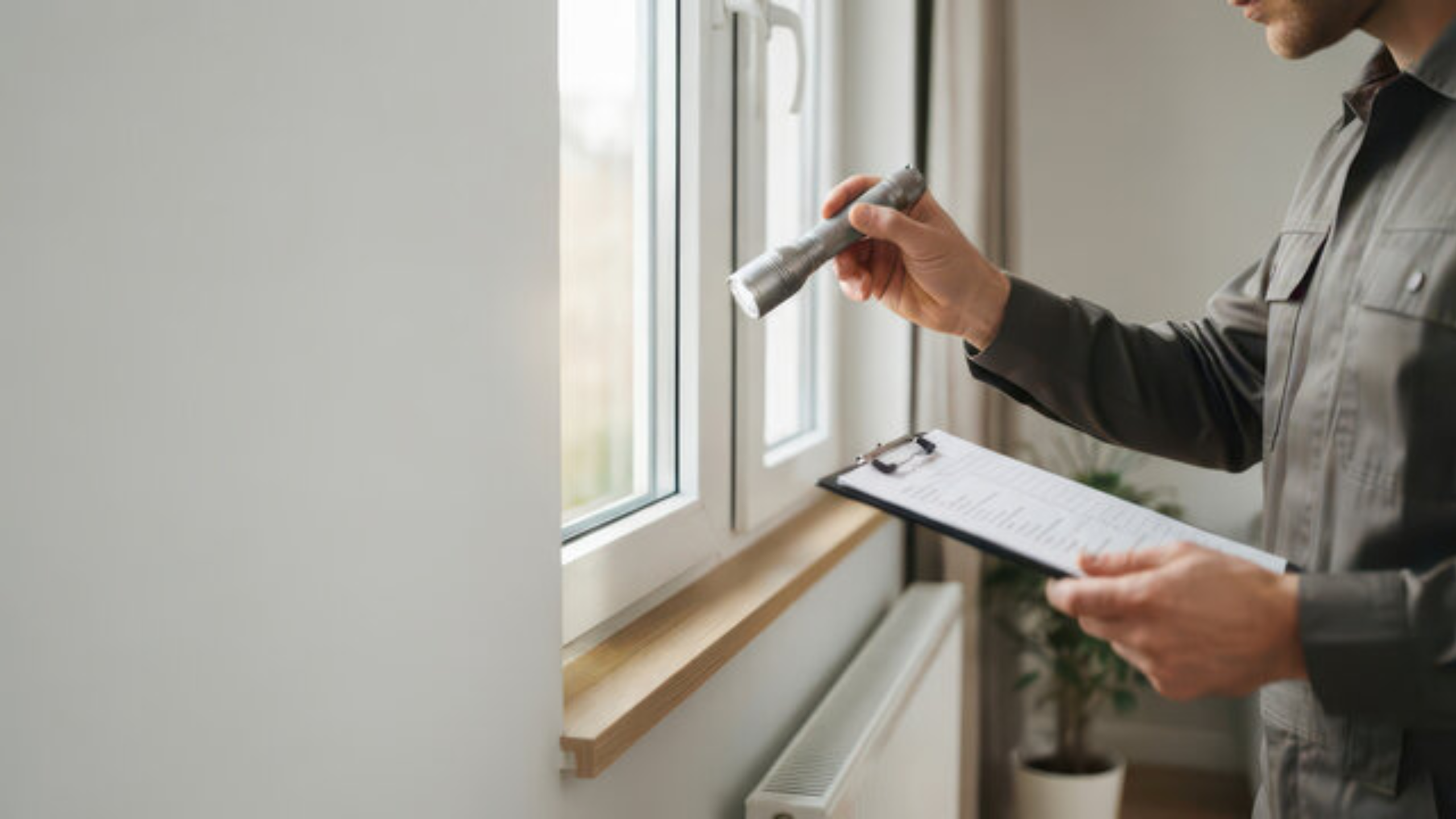
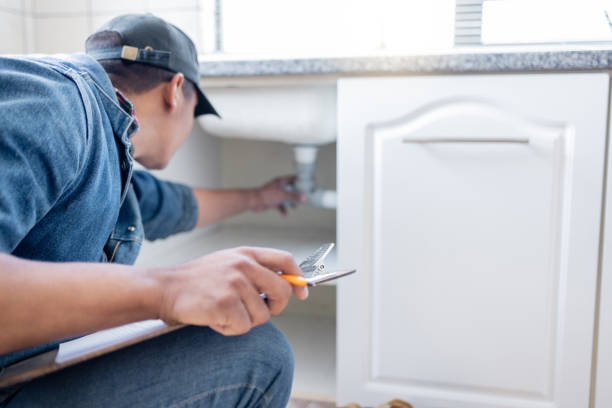
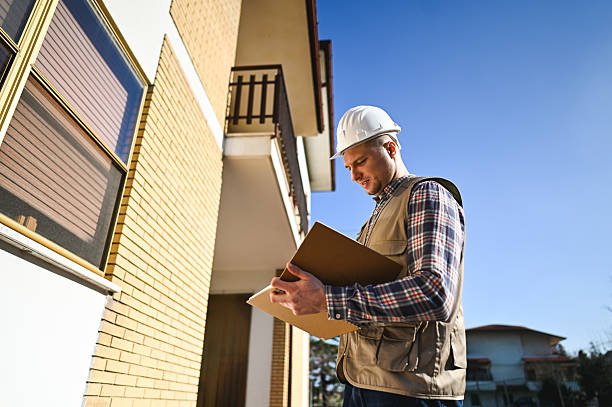
A professional inspector examines essential systems of the home, including roofing, foundation integrity, electrical functionality, plumbing conditions, HVAC performance, insulation quality, exterior structures, and safety-related components. Each of these systems plays a vital role in the long-term performance and safety of the property.
Without this level of evaluation, buyers risk purchasing a property with hidden defects that could lead to significant repair costs shortly after move-in.
The Impact of Hidden Repair Costs on Homebuyers
Hidden repair costs are one of the most important factors to consider when evaluating whether a home inspection is worth it. Many of the most expensive home repairs are not immediately visible during a showing.
Issues such as roof deterioration, foundation movement, outdated electrical wiring, plumbing leaks, and failing HVAC systems often develop over time. These problems may remain unnoticed until they become severe enough to require urgent attention.
Once discovered after purchase, these repairs can place a major financial strain on homeowners. Roof replacements, for example, can require substantial investment. Foundation repairs often involve complex structural work. Electrical and plumbing upgrades can also become costly, especially if safety hazards are present.
When compared to these potential expenses, the cost of home inspection becomes a small and highly valuable investment in financial protection.
How Home Inspections Strengthen Buyer Negotiation Power
Another major benefit of a home inspection is the leverage it provides during negotiations. Once the inspection report is completed, buyers gain a clearer understanding of the property’s true condition. This knowledge can directly influence the final purchase agreement.
When issues are identified, buyers may be able to negotiate repairs, request price reductions, or seek seller credits to offset future repair costs. In some cases, the findings may even lead to reconsideration of the purchase if the problems are too significant.
This negotiation power can translate into substantial financial savings. Even a single major issue identified during an inspection can result in thousands of dollars in adjustments. These savings often far exceed the initial inspection fee, making it a financially strategic step in the buying process.
Home Inspection Fees Compared to Long-Term Risk
When analyzing home inspection fees from a long-term perspective, it becomes clear that the expense is not simply about the inspection itself but about risk reduction.
Homeownership comes with ongoing maintenance and repair responsibilities. Without a clear understanding of a property’s condition before purchase, buyers may enter into financial commitments that include unexpected repair cycles. These surprises can disrupt budgets and create long-term financial pressure.
A home inspection helps reduce this uncertainty by providing a detailed snapshot of the property’s condition at the time of purchase. This allows buyers to anticipate future expenses more accurately and plan their finances with greater confidence.
In this sense, the inspection is not just a one-time cost but a financial planning tool that helps protect long-term investment value.
Is a Home Inspection Worth It for Every Buyer?
For most homebuyers, especially first-time buyers, the answer to whether a home inspection is worth it is yes. The value of the information gained far outweighs the cost of the inspection.
Even in newer homes, inspections can reveal construction defects, incomplete installations, or early-stage system issues. In older properties, inspections are even more important due to aging infrastructure and increased likelihood of wear and tear.
Regardless of property type, a professional inspection helps ensure that buyers are making informed decisions based on facts rather than appearances or assumptions.
How Inspections Help Avoid Costly Financial Mistakes
One of the most overlooked benefits of a home inspection is its ability to prevent poor investment decisions. In some cases, inspections reveal issues so significant that buyers choose not to proceed with the purchase.
While this may feel disappointing at the moment, it can save buyers from long-term financial stress and ongoing repair obligations. Avoiding a problematic property can protect tens of thousands of dollars in future expenses.
In other cases, inspections confirm that a property is in good condition, allowing buyers to move forward with confidence. Both outcomes provide financial clarity, which is essential in high-value transactions.
The Role of Inspections in Long-Term Home Planning
A home inspection also provides valuable insights for future maintenance planning. Even when no major issues are found, inspectors often highlight areas that may require attention over time.
This includes aging roofing systems, HVAC units approaching the end of their lifespan, or minor maintenance concerns that could develop into larger issues if ignored. With this information, homeowners can plan ahead financially and avoid sudden, unexpected repair costs.
This proactive approach to homeownership adds long-term value that extends well beyond the initial purchase process.
Conclusion
When evaluating the cost of home inspection, it is important to consider the broader financial impact rather than just the upfront fee. A home inspection provides critical insight into a property’s condition, helps uncover hidden repair costs, strengthens negotiation power, and supports long-term financial planning.
For most buyers, the question of is a home inspection worth it has a clear answer. The relatively small inspection fee can protect against major financial risks and help ensure a safer, more informed investment decision.
Lafayette Home Inspections helps homebuyers reduce uncertainty and make confident purchasing decisions through detailed and professional property evaluations that prioritize financial protection and long-term value.
Contact us today to schedule your home inspection and protect your investment with confidence.